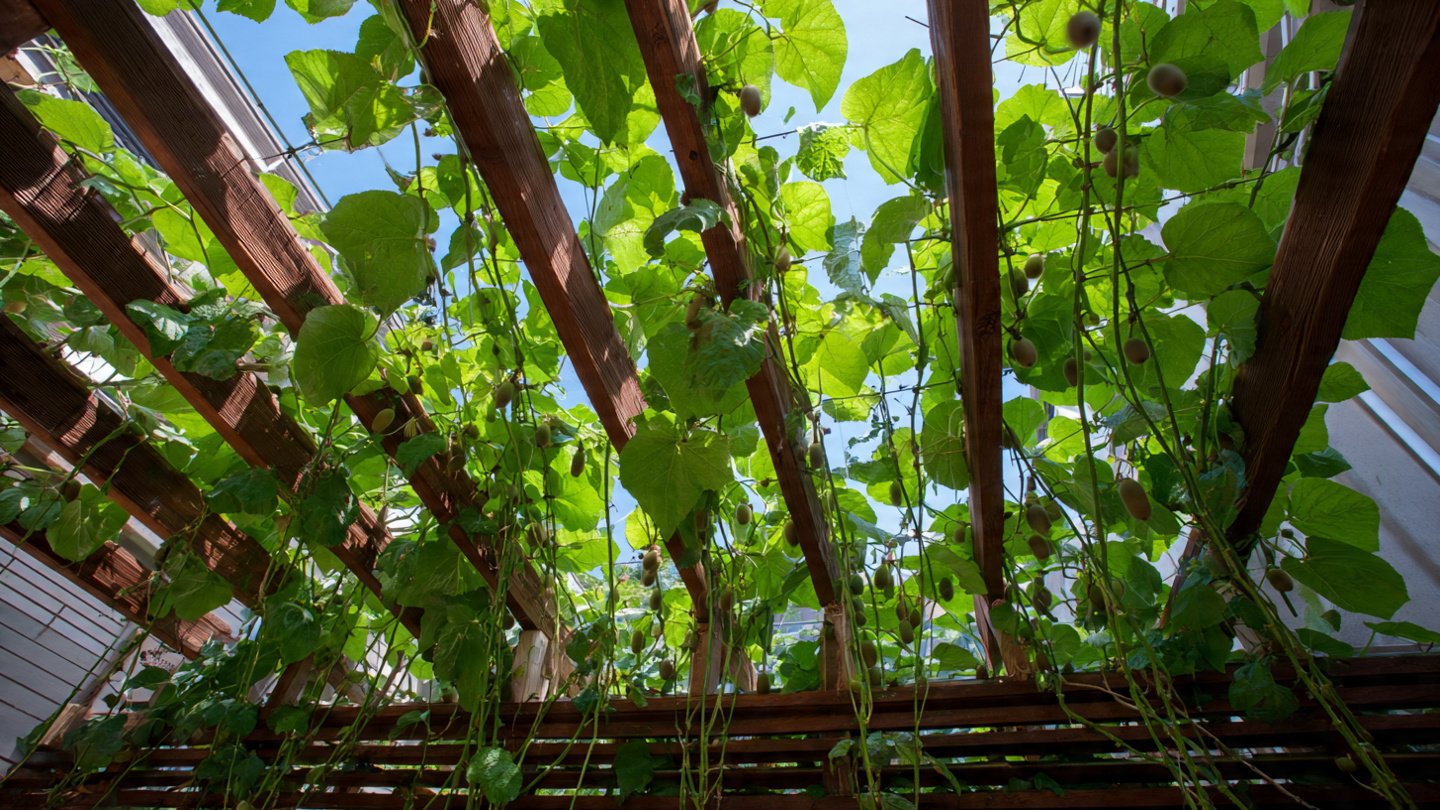
Growing kiwis in a vertical garden is an excellent way to maximize space, create an attractive garden, and ensure your fruit is easily accessible. Vertical gardening, especially for climbing plants like kiwis, allows for better air circulation, sunlight exposure, and ease of maintenance. This article will guide you through the essentials of successfully growing a vertical garden of kiwis on a sturdy trellis.
Understanding Kiwi Varieties
Before starting your vertical garden, it’s essential to choose the right variety of kiwi. The two primary types are:
-
Hardy Kiwi (Actinidia arguta): Also known as “baby kiwi” or Arctic kiwi, these vines are smaller and can thrive in colder climates. They are self-fertile, meaning you can grow just one plant, although it’s better to plant several to ensure pollination and fruiting.
-
Common Kiwi (Actinidia deliciosa): This variety produces the large, fuzzy green kiwis commonly found in grocery stores. They generally require a male and female plant for successful fruit production.
Selecting the right variety will depend on your climate, available space, and personal taste preference.
Planning Your Vertical Garden
Location
Choose a sunny spot with at least 6-8 hours of direct sunlight. Kiwis love light, and insufficient sunlight can result in poor fruit production. Additionally, select a site that has good drainage, as kiwis do not tolerate standing water.
Trellis Design
A sturdy trellis is essential for supporting the growth of kiwi vines. Here are some design considerations:
-
Height: The trellis should be at least 5-6 feet tall to accommodate the growing vines.
-
Material: Use durable materials like metal, wood, or strong plastic. Avoid materials that will rust or decay quickly.
-
Structure: The trellis should be capable of withstanding the weight of mature kiwi vines. A simple A-frame, T-posts with wire, or a fence can work effectively.
Space Requirements
Kiwi vines can spread quite a bit. Make sure to space the plants adequately—at least 3 feet apart—to allow for adequate growth.
Preparing the Soil
Kiwis thrive in well-draining, fertile soil. A pH of 5.5 to 7 is ideal. Follow these steps to prepare your soil:
-
Soil Testing: Conduct a soil test to determine pH and nutrient levels.
-
Amendments: Based on the test, you may need to add organic matter, such as compost or well-rotted manure, to enrich the soil.
-
Drainage: Make sure your planting site has good drainage to prevent root rot. If necessary, you can raise the planting area or amend the soil with perlite or sand.
Planting Kiwas
When to Plant
The best time to plant kiwi vines is in spring after the last frost—this allows the plants to establish themselves before the heat of summer.
Planting Steps
-
Digging Holes: Dig a hole that is twice as wide and as deep as the root ball of the plant.
-
Positioning: Place the plant in the hole, ensuring that the crown (where the roots meet the stem) is level with the soil surface.
-
Backfilling: Fill the hole with soil, gently pressing down to eliminate air pockets.
-
Watering: Water thoroughly after planting. Ensure the soil remains moist but not soggy.
Training Your Kiwi on the Trellis
After planting, training your kiwi vines is crucial. Here’s how to do it effectively:
Initial Support
- First Year: Focus on establishing a strong framework. If the vines grow too long, trim them back to promote lateral growth.
Tying Vines
-
Use soft twine or garden tape to tie the vines gently to the trellis, avoiding anything that could damage the plant.
-
As the vines grow, direct them to the desired sections of the trellis, regularly securing them as needed.
Regular Maintenance
- In the first year, your focus will be on growth rather than fruiting. Ensure proper watering and fertilization to encourage strong root systems.
Watering and Fertilization
Watering Needs
-
Ensure that your kiwi plants receive consistent moisture, especially during dry spells. Deep watering is crucial; aim for about an inch of water per week.
-
Avoid overwatering, as this can lead to root rot. A layer of mulch can help retain moisture while preventing weed growth.
Fertilization
-
In early spring, apply a balanced fertilizer or one that’s high in potassium and phosphorus to promote strong growth and fruiting.
-
Avoid excessive nitrogen, which can lead to lush foliage with little fruit production.
Pest and Disease Management
Kiwis can be susceptible to various pests and diseases. Monitoring and proactive measures can ensure a healthy harvest.
Common Pests
-
Aphids: These pests can be managed using insecticidal soap or by introducing beneficial insects like ladybugs.
-
Spider Mites: Increase humidity around the plants and use neem oil if needed.
-
Scale Insects: Wipe affected areas with a cloth soaked in soapy water.
Diseases
-
Powdery Mildew: This fungal disease can be mitigated by ensuring good air circulation among the plants. Avoid overhead watering and clear any debris around the plants.
-
Root Rot: The best prevention is well-drained soil. If root rot occurs, the affected plants should be removed to prevent spreading.
Pruning for Health and Yield
Proper pruning is essential for maintaining a vertical kiwi garden, helping improve air circulation and light penetration while enhancing fruit yields.
When and How to Prune
-
Timing: Prune in late winter or early spring before new growth begins.
-
Technique: Remove any weak or unnecessary growth. Focus on cutting back older canes and promoting new lateral shoots that will bear fruit.
Training New Growth
- Encourage new lateral shoots to grow along the trellis, using ties as needed to keep them in place.
Harvesting and Enjoying Your Kiwis
When to Harvest
Kiwis are typically ready for harvest in late fall. The best way to know if they are ripe is to gently squeeze the fruit; it should give slightly when pressed.
How to Harvest
- Use sharp garden shears to cut the fruit from the vine, leaving a small portion of stalk attached.
Enjoying Your Kiwis
Fresh kiwis can be enjoyed in numerous ways—eaten raw, added to smoothies, or used in desserts. Kiwis are rich in vitamin C, dietary fiber, and antioxidants, making them a healthy addition to any diet.
Conclusion
Creating a vertical garden of kiwis on a sturdy trellis is a rewarding endeavor that not only maximizes your growing space but also beautifies your garden. Through careful selection of varieties, proper planning, and consistent care, you can enjoy a bountiful harvest of delicious kiwis right from your backyard. With time, patience, and a little effort, your vertical kiwi garden can become a thriving source of fresh fruit for years to come.