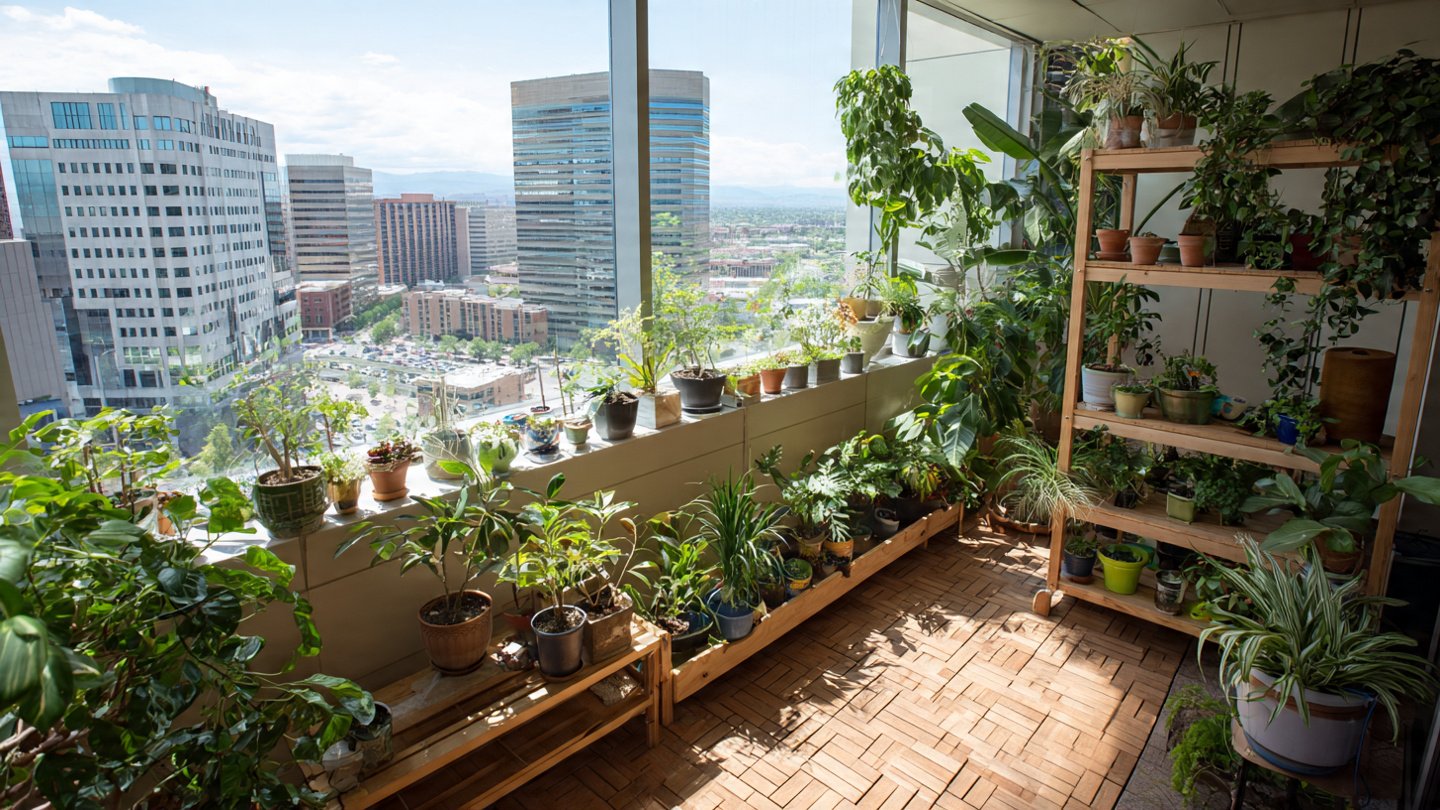
Living in a high rise can bring its own unique set of challenges, particularly when it comes to gardening. High-rise gardens can be a sanctuary of greenery amidst concrete, but they also face pest challenges that may not be as pronounced in ground-level gardens. With limited space, soil types, and environmental conditions, managing these pests requires specific strategies. This article will delve into effective methods to protect your high-rise plants from local pests, ensuring that your vertical oasis thrives.
Understanding the High Rise Environment
In high-rise buildings, the microclimate significantly differs from ground-level gardens. Factors such as wind exposure, varying sunlight, and humidity levels play a crucial role in plant health. This unique environment can contribute to both plant stress and increased vulnerability to pests. Common pests in urban settings include aphids, spider mites, whiteflies, and more, which can quickly devastate high-rise plants if not managed correctly.
Step 1: Know Your Pests
It’s essential to identify common pests affecting high-rise gardens. Each pest has specific signs of infestation and distinct life cycles:
- Aphids: These small, soft-bodied insects usually cluster on new shoots and undersides of leaves, draining sap and leading to stunted growth.
- Spider Mites: Tiny and often difficult to see, spider mites create fine webbing and cause yellowing or stippling on leaves.
- Whiteflies: Similar to aphids, they are often found on the undersides of leaves and can quickly multiply, leading to a sticky residue on leaves.
By understanding your local pests, you can tailor your protection strategies effectively.
Step 2: Implement Cultural Practices
Cultural practices involve general gardening techniques that promote plant health and reduce pest issues.
A. Choose Resistant Varieties
Start by selecting pest-resistant plant varieties. Many nurseries offer hybrids specifically bred to withstand local pests, making your garden less appealing to them from the start.
B. Healthy Plants Are Less Susceptible
The healthier your plants, the better they can defend themselves against pests. Provide adequate sunlight, water, and nutrients to keep your plants robust. Regularly check soil moisture levels and utilize high-quality compost or organic fertilizers.
C. Proper Spacing and Air Circulation
Ensure that the plants have enough space between them to allow for air circulation. Proper spacing reduces humidity levels around the plants, making them less inviting to pests like mold and fungi, which can attract pests.
Step 3: Physical Barriers
Using physical barriers is a straightforward and effective way to keep pests at bay.
A. Insect Netting
Cover new plants or vulnerable crops with insect netting. This provides a physical barrier against pests while allowing sunlight and rain to reach the plants.
B. Row Covers
Row covers can be particularly effective for larger plants. They create a climate-controlled environment that also keeps insects out.
C. Sticky Traps
Utilize sticky traps in your high-rise garden. These can help catch flying insects like aphids and whiteflies, giving you a visual indication of an infestation before it becomes severe.
Step 4: Companion Planting
Companion planting involves growing two or more plants close to each other for mutual benefits, including pest control.
- Marigolds: These bright flowers are known to repel nematodes and other pests due to their scent.
- Basil with Tomatoes: Basil can deter aphids and whiteflies, protecting your tomato plants while helping them taste better.
Research which plants work well together for pest deterrence in your specific climate and conditions.
Step 5: Natural Predators
Encouraging natural pest predators can help control pest populations without chemical interventions.
- Ladybugs: These beneficial insects are excellent at controlling aphid populations.
- Predatory Wasps: Tiny wasps can control caterpillar populations and other soft-bodied pests.
- Nematodes: Beneficial nematodes can help control soil-dwelling pests.
Introduce or attract these beneficial organisms to your balcony or rooftop garden by planting diverse flora and providing habitat.
Step 6: Organic Pest Control
If an infestation occurs, consider organic pest control methods that are safer for both plants and the environment.
A. Neem Oil
Neem oil is a natural pesticide that disrupts the life cycle of many pests without harming beneficial insects once dried. Mix with water according to the label’s instructions and spray on affected plants.
B. Insecticidal Soap
This solution is effective for soft-bodied insects like aphids and spider mites. It works by suffocating the pests, but you must ensure it covers the pests directly.
C. Diatomaceous Earth
Sprinkling food-grade diatomaceous earth around your plants creates a barrier that dehydrates and destroys crawling insects.
Step 7: Monitoring
Regular monitoring of your plants can be the difference between a minor issue and a major infestation.
A. Visual Checks
Inspect your plants weekly for signs of pests or disease. Look at the undersides of leaves, stems, and around the base of plants.
B. Regular Maintenance
Keep your high-rise garden tidy by removing dead or infected plants immediately. Also, keep surrounding areas clean—fallen leaves and debris can harbor pests.
Step 8: Education and Community Involvement
Continuously educate yourself about pest management and gardening techniques. Join community gardening clubs or online forums where you can share experiences and learn from others facing similar challenges.
A. Local Workshops
Participate in local gardening workshops, which can offer hands-on training and insights into pest management specific to your area.
B. Collaboration with Local Experts
Engage with local agricultural extensions or universities. They may offer resources, guides, or even assistance with pest identification and control strategies tailored to your region.
Step 9: Professional Help
Sometimes, pests can become overwhelming. Don’t hesitate to reach out for professional pest control services that specialize in organic solutions or pest management that aligns with your gardening philosophy.
Conclusion
Protecting your high-rise garden from local pests is a multi-faceted approach that combines knowledge, cultural practices, physical barriers, and organic methods. By understanding the unique challenges of your high-rise environment, you can cultivate a thriving garden while effectively managing pest pressures.
Whether you’re growing herbs for your kitchen or ornamental plants for visual appeal, taking proactive steps to protect your plants will ensure a lush, healthy, and resilient garden that can withstand the challenges of urban living. With dedication, patience, and the tips outlined in this article, your high-rise plants can flourish amidst the bustling cityscape, offering you a tranquil green space to enjoy.