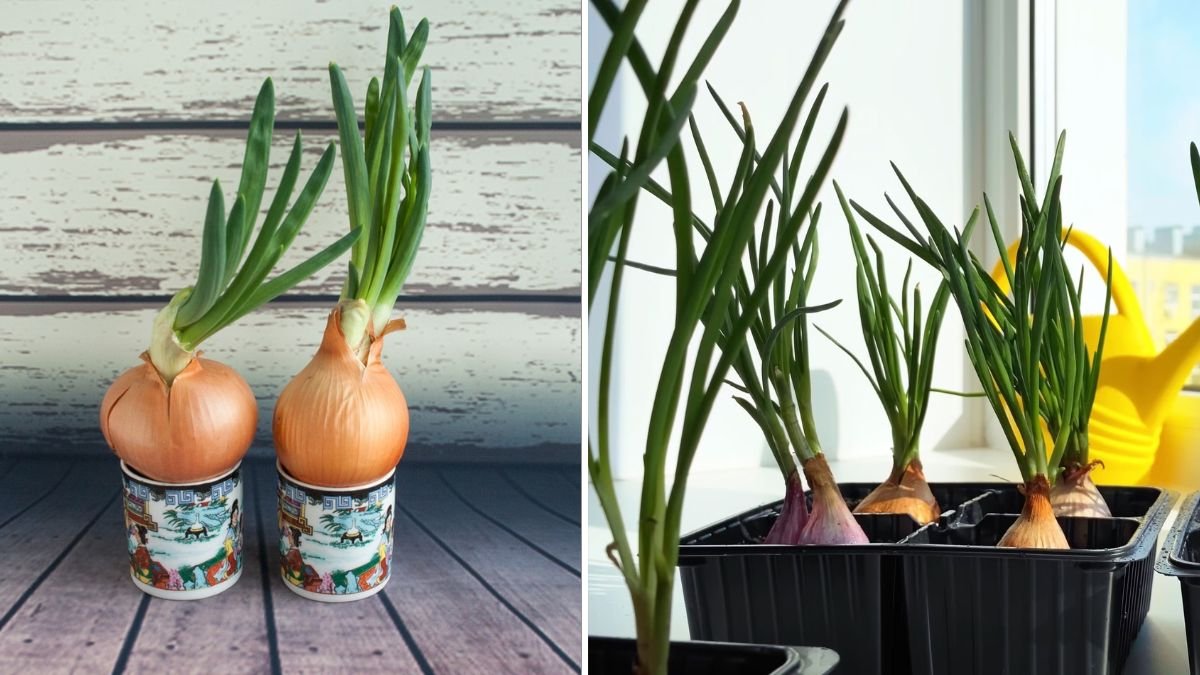
Growing onions at home is one of the most rewarding experiences for both beginners and seasoned gardeners. Onions don’t demand much space, grow well in containers, and reward you with fresh, flavorful bulbs and green stalks for daily cooking. If you have a small balcony, terrace, or even a sunny window, you can successfully grow onions in a plastic pot with ease.
In this detailed 1200-word guide, you’ll learn how to grow onions at home step-by-step, which type of pots to use, what soil mixture to prepare, and how to care for your plants for large and healthy bulbs.
Why Grow Onions at Home?
Growing onions in pots is surprisingly simple and comes with several benefits:
- Requires very little space
- Grows well in all seasons
- Gives both green onions and full bulbs
- Low maintenance and fast-growing
- Perfect for beginners and busy people
- Free from pesticides and chemicals
Now let’s start your onion-growing journey!
1. Choosing the Right Onions for Planting

You can grow onions from:
1. Onion Bulbs (Sets)
These are small, ready-to-grow onions. They sprout faster and guarantee results.
2. Onion Sprouts from Kitchen
If you have onions that have started sprouting in your kitchen, you can plant those too!
Seeds (Optional)
Growing onions from seeds is possible, but slower and more difficult for beginners. Bulbs are the easiest method.
2. Selecting the Perfect Plastic Pot
Onions don’t need deep pots, but they do require width.
Ideal Pot Size
- Depth: 6–8 inches
- Width: 12–14 inches
- Drainage Holes: Must have at least 5–6 holes
Onions need good drainage to prevent rotting. Rectangular plastic tubs are also great for growing many onions in one container.
3. Preparing the Best Soil Mixture
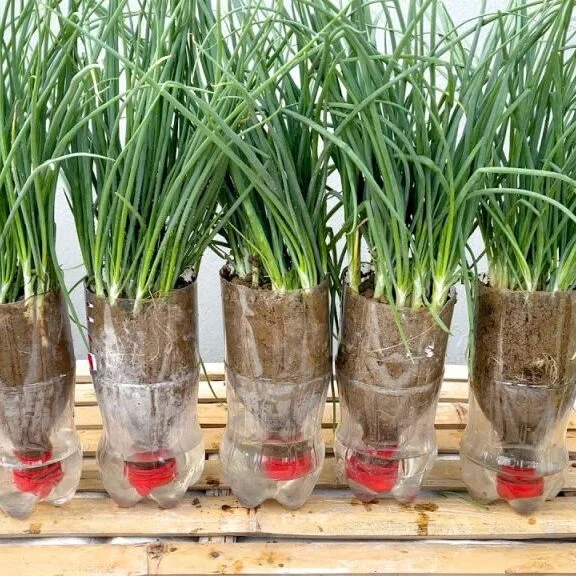
Healthy bulbs grow in light, loose, and nutrient-rich soil.
Perfect Soil Mix for Onions
- 40% Garden soil
- 30% Compost or vermicompost
- 20% Cocopeat
- 10% River sand
Optional Additions
- 1 handful neem cake powder (for pest protection)
- 1 handful wood ash (helps bulb formation)
Mix well and fill the pot, leaving 1–2 inches at the top.
4. Planting the Onions: Step-by-Step
Now comes the most exciting part — planting!
Step 1: Prepare the Bulbs
- Take small to medium-sized onions.
- If using sprouted onions, cut them vertically into 2–4 pieces (each with roots attached).
- Peel off the outer dry skin.
Step 2: Plant Properly
- Make holes about 1 inch deep.
- Insert onion bulbs with the pointed side up.
- Maintain a 3–4 inch distance between each bulb.
Step 3: Cover Lightly
Do not bury onions too deep — they must remain partially visible.
Step 4: Water Gently
Moisten the soil; do not flood it.
5. Sunlight Requirements
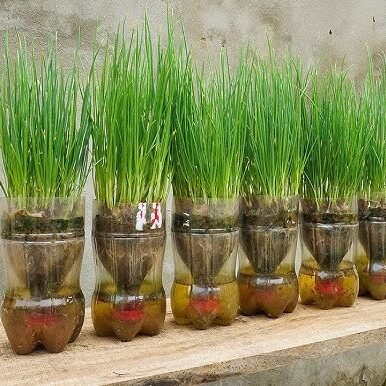
Onions love sunlight!
- 6–7 hours of direct sunlight is ideal.
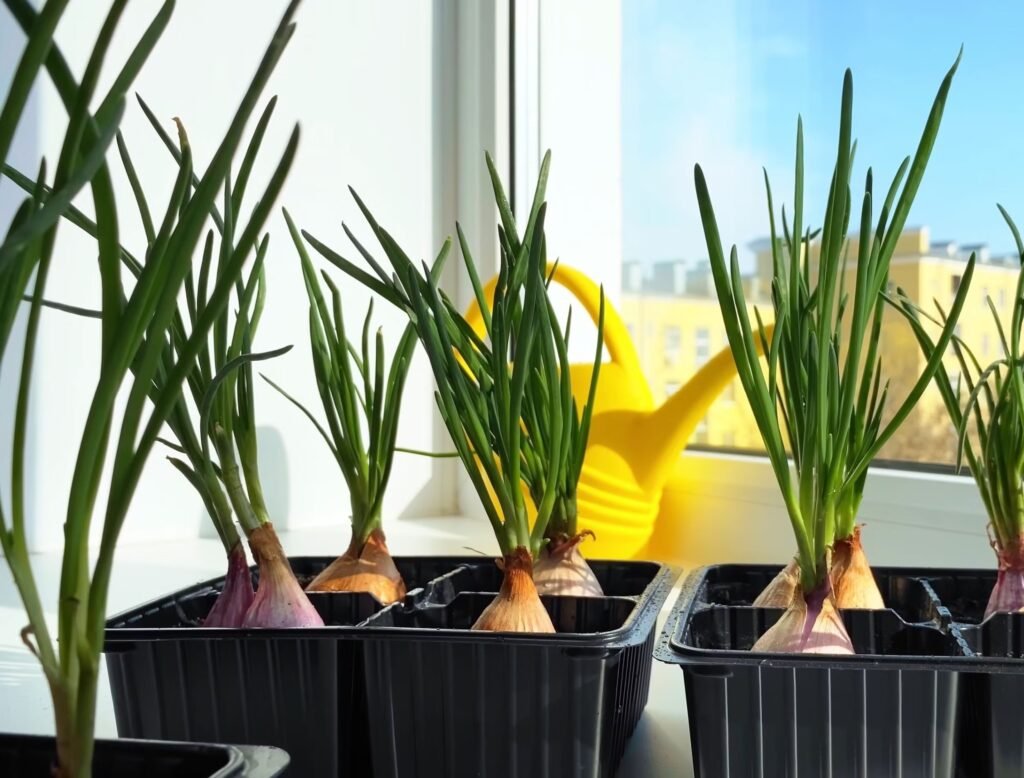
- Keep the pot in a sunny balcony, terrace, or window.
Without enough sunlight, onions become thin and do not form proper bulbs.
6. Watering Routine
Overwatering is the number one cause of onion failure.
Watering Tips
- Water only when the top soil feels dry.
- In summer: water every 1–2 days
- In winter: water every 3–4 days
- Avoid water standing at the base of the pot.
Onions prefer slightly moist, not wet soil.
7. Fertilizing for Faster Growth
Onions are heavy feeders. They grow faster with nutrient support.
Apply Fertilizer Every 15 Days
Use any one of these:
- Compost or vermicompost
- Cow dung compost
- Banana peel liquid fertilizer
- Mustard cake liquid (diluted properly)
Avoid strong chemical fertilizers. Organic feeding works best.
8. Mulching for Healthy Growth
Mulching helps:
- Retain moisture
- Prevent weeds
- Keep bulbs cool
- Encourage bigger bulbs
Use dry leaves, straw, or cocopeat as mulch.
9. Common Pests & How to Protect Your Onion Plant
Onions are hardy, but sometimes pests appear.
Common Problems
- Thrips
- Aphids
- Fungal rot
Organic Solutions
- Spray neem oil every 15 days
- Ensure pot has proper drainage
- Do not overwater
Healthy soil = pest-free onions.
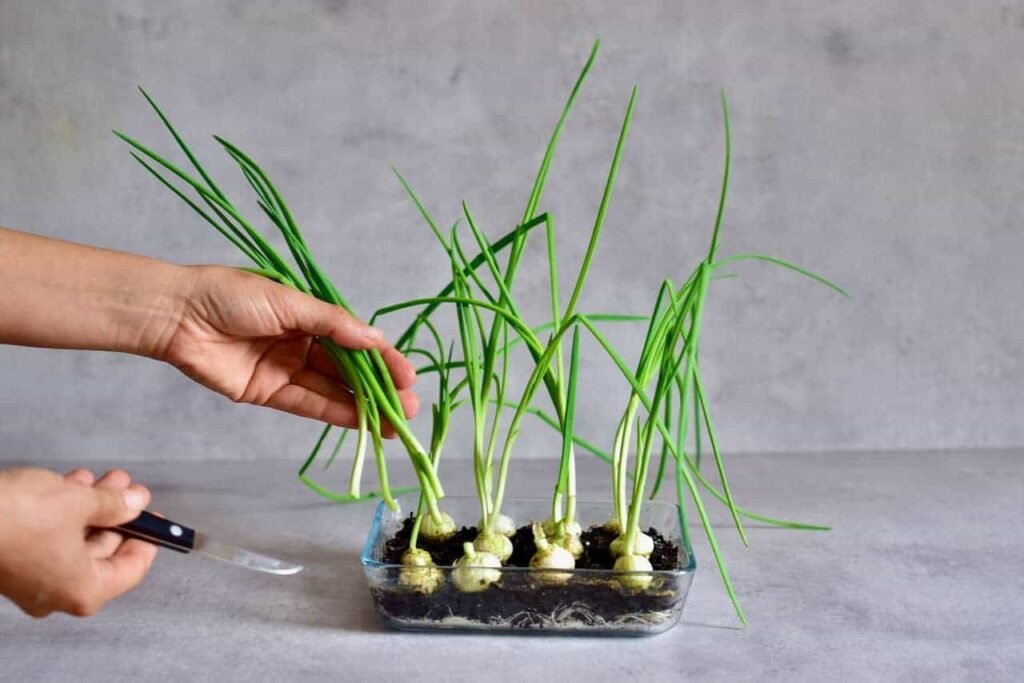
10. When to Harvest Green Onions
If you want green onions (spring onions):
- You can start harvesting within 25–30 days.
- Cut the green leaves, leaving the bulb inside the soil.
- New leaves will grow again.
This gives you continuous harvest!
11. When to Harvest Full Onion Bulbs
For full-grown onions:
- Wait 75–90 days
- The top leaves start turning yellow and bending
- Bulbs become large and firm
Gently lift the bulbs using your hands. Let them dry in sun for a day before storing.
12. Growing Onions Again from the Same Pot
Once you harvest, loosen the soil and add:
- 2–3 handfuls of compost
- A little cocopeat
- A handful of sand
Now you can plant again — one pot can give you several harvests a year!
Final Tips for Success
- Choose smaller bulb onions—they grow faster.
- Never plant onions in deep shade.
- Keep soil loose for bigger bulbs.
- Avoid strong fertilizers that heat the soil.
- Always ensure proper drainage.
Conclusion
Growing onions at home in plastic pots is extremely easy and rewarding. With just a few bulbs, some sunny space, and proper care, you can enjoy fresh spring onions and full-sized bulbs throughout the year. Whether you’re a beginner or an expert, onions are one of the most dependable and enjoyable vegetables to grow at home.