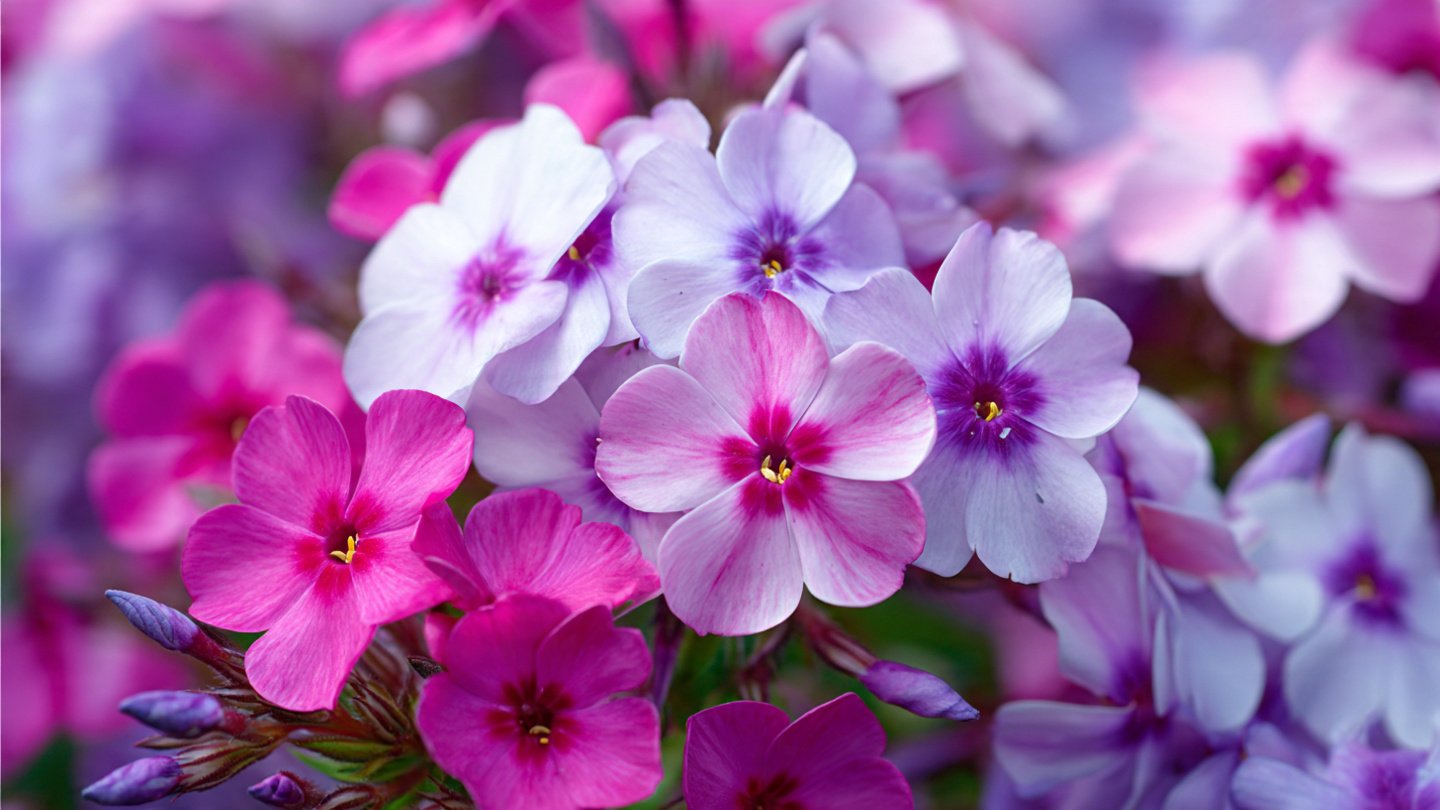
Phlox Drummondii, commonly known as annual phlox or Drummond’s phlox, is a delightful flowering plant that brings a burst of color and cheer to gardens. Known for its vibrant blooms and lush foliage, it attracts pollinators and thrives in various garden settings. This guide will provide you with essential information on how to cultivate Phlox Drummondii successfully, ensuring a garden filled with stunning flowers.
Origin and Characteristics
Phlox Drummondii is native to the southern United States and Mexico. It was brought into cultivation in the early 19th century and has since become a popular choice among gardeners for its resilience and beauty. The plant typically reaches a height of 12 to 18 inches and features star-shaped flowers that bloom in a variety of colors, including pink, purple, red, white, and blue.
Key Features:
- Bloom Time: Early summer to fall
- Height: 12 to 18 inches
- Light Requirements: Full sun to partial shade
- Soil Requirements: Well-drained, fertile soil
Preparing for Planting
1. Choosing the Right Location
Phlox Drummondii thrives in full sun to partial shade, making it versatile for different garden spots. Choosing a location that receives at least six hours of sunlight each day is crucial for maximizing flower production.
2. Soil Preparation
The ideal soil for Phlox Drummondii is fertile, well-drained soil. To prepare your garden bed:
- Clear the Area: Remove weeds, debris, and any existing plant material.
- Amend the Soil: Incorporate organic matter, such as compost or well-rotted manure, to improve soil fertility and drainage.
- Check pH Levels: Aim for a pH of 6.0 to 7.0. If necessary, adjust with lime or sulfur.
Planting Phlox Drummondii
1. Seed Sowing
Phlox Drummondii can be sown directly into the garden or started indoors:
- Direct Sowing: Sow seeds outdoors after the last frost. Plant seeds about 1/4 inch deep and space them 12 inches apart.
- Indoor Starting: Begin seeds indoors 6 to 8 weeks before the last frost. Use seed trays filled with a seed-starting mix. Keep the soil moist and maintain a warm temperature until germination occurs.
2. Transplanting
If you started seeds indoors, harden off the plants by gradually exposing them to outdoor conditions for at least a week before transplanting. To transplant, dig holes that are slightly larger than the root ball and space them about 12 to 18 inches apart.
Caring for Phlox Drummondii
1. Watering
Consistent moisture is crucial for the healthy growth of Phlox Drummondii:
- Watering Schedule: Water regularly, especially during dry spells. Aim to keep the soil consistently moist but not waterlogged.
- Mulching: Apply a layer of mulch around the plants to help retain moisture and suppress weeds.
2. Fertilization
Phlox Drummondii benefits from fertilizers during the growing season:
- Initial Feeding: Use a balanced fertilizer when planting, following package instructions.
- Mid-Season Boost: Fertilize again during the blooming phase to encourage vibrant flowers. A diluted liquid fertilizer every few weeks should suffice.
3. Pruning and Deadheading
To promote continued blooming, practice regular deadheading—removing spent flowers. This encourages the plant to produce new blooms and extends the flowering period.
4. Pests and Diseases
Phlox Drummondii is generally resistant to pests and diseases, but issues can arise. Common problems include powdery mildew and aphids:
- Powdery Mildew: Avoid overcrowding your plants and provide adequate airflow. If affected, remove and discard infected leaves. Consider using a fungicide if needed.
- Aphids: Treat infestations using insecticidal soap or neem oil.
Propagation
Phlox Drummondii can be easily propagated through seeds or stem cuttings. If you wish to save seeds:
- Allow the seed pods to dry on the plant.
- Collect the seeds and store them in a cool, dry place.
Propagation by Stem Cuttings:
- Take cuttings from healthy parent plants in early summer.
- Remove lower leaves and dip the ends in rooting hormone.
- Place in a well-draining potting mix and keep moist.
Design Ideas for Your Garden
Phlox Drummondii is incredibly versatile and can be used in various garden styles:
- Cottage Gardens: Use them as a border or in mixed plantings with other annuals and perennials for a colorful, informal garden.
- Container Gardening: They thrive in pots, making them perfect for patios and balconies.
- Pollinator Gardens: Plant in clusters to attract hummingbirds and butterflies, enhancing your garden’s biodiversity.
Seasonal Maintenance
Spring
- Begin by preparing the soil and planting seeds or transplants.
- Regularly monitor for pests and apply mulch to retain moisture.
Summer
- Continue watering regularly, especially during dry spells.
- Deadhead spent blooms to encourage new flowers.
Fall
- As the growing season ends, consider saving seeds for next year’s planting.
- Cut back the plants after frost to prevent disease over winter.
Winter
- In regions with harsh winters, consider covering the area where Phlox Drummondii was planted with mulch to protect the soil and any remaining roots.
Conclusion
Phlox Drummondii is a beautiful and versatile annual that adds vibrant color to any garden. With the proper care, it can flourish from early summer to late fall, providing a continuous display of flowers. By following this guide, you can enjoy the beauty of these delightful blooms while creating a thriving garden space.
FAQs
1. When is the best time to plant Phlox Drummondii?
The best time to plant Phlox Drummondii is in the spring after the last frost date or to start seeds indoors 6-8 weeks before that.
2. Can Phlox Drummondii survive in partial shade?
Yes, while they thrive in full sun, they can also tolerate partial shade, although blooms may be less abundant.
3. How often should I water Phlox Drummondii?
Water regularly, especially during dry periods. Aim to keep the soil consistently moist but not waterlogged.
4. How do I prevent powdery mildew on my Phlox?
Ensure good airflow by avoiding overcrowding, and water at the base of the plants rather than from above. Removing infected leaves can help.
5. Can I grow Phlox Drummondii in containers?
Yes, they grow beautifully in containers. Use a well-draining potting mix and ensure the pot receives enough sunlight.
6. How can I collect seeds from Phlox Drummondii?
Allow seed pods to dry on the plant, then collect them and store them in a cool, dry place for next season’s planting.
By flipping through these guidelines, you’ll find that growing Phlox Drummondii can be a rewarding project, resulting in a stunning array of colors and scents. Happy gardening!