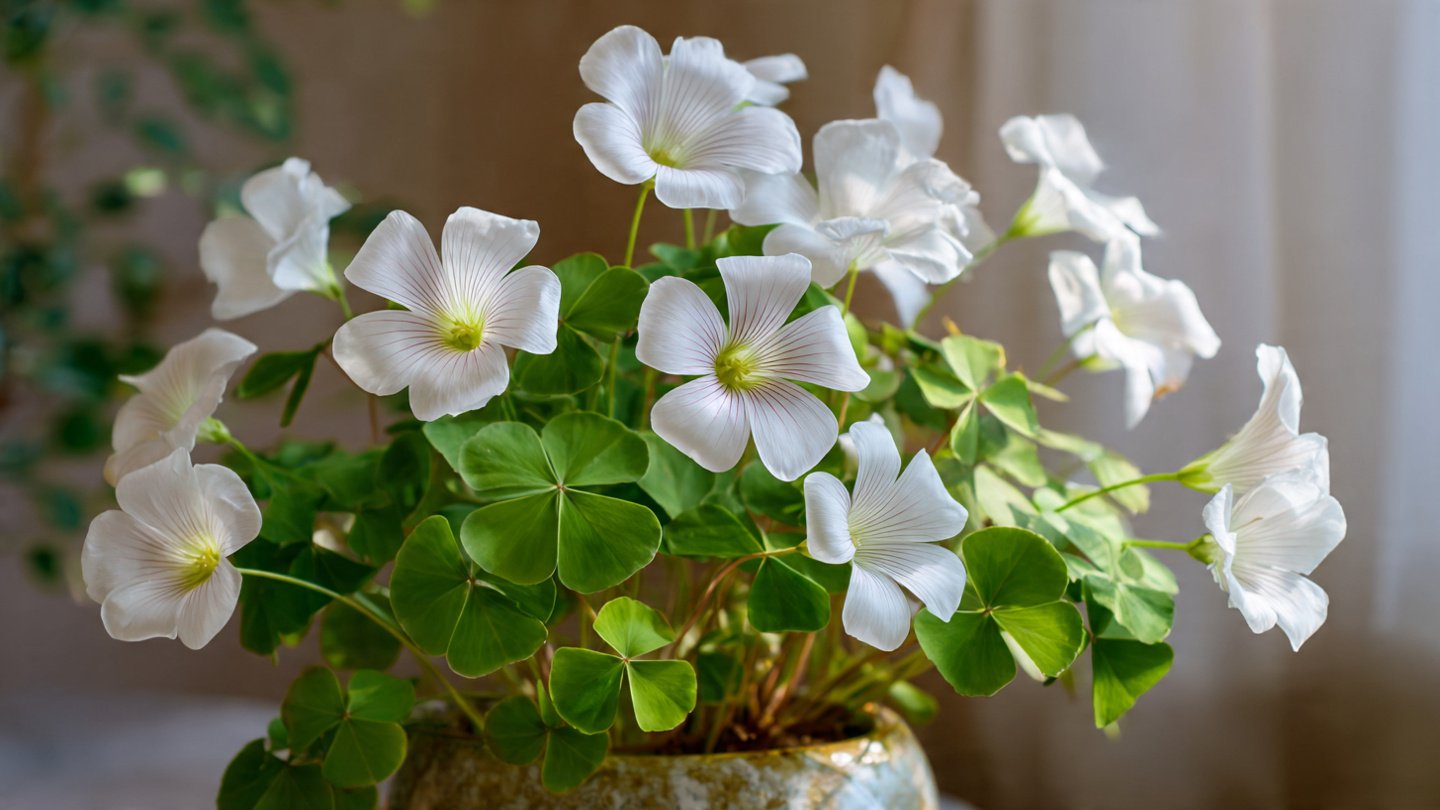
If you’re searching for a houseplant that’s both beautiful and easy to care for, look no further than the oxalis. With its delicate clover-like leaves and vibrant flowers, oxalis is a charming addition to any indoor garden. This guide will walk you through the essentials of growing oxalis houseplants indoors, providing helpful tips for beginners and FAQs to ensure your success.
What is Oxalis?
Oxalis, commonly known as wood sorrel, belongs to a large genus of flowering plants in the family Oxalidaceae. There are over 800 species of oxalis, and the most popular types for indoor cultivation include Oxalis triangularis (purple shamrock) and Oxalis deppei (Mexican oxalis). These plants are characterized by their unique leaf patterns and eye-catching flowers, which can range from white and yellow to pink and purple.
Choosing Your Oxalis
Varieties of Oxalis
-
Oxalis triangularis: Known for its triangular, purple leaves that fold up at night, this variety produces small pink or white flowers. It’s particularly popular for its striking foliage.
-
Oxalis deppei: This variety features vibrant green leaves and clusters of bright yellow blooms. Known as the “luck o’ the Irish” plant, it’s commonly associated with St. Patrick’s Day.
-
Oxalis regnellii: This species has a more upright growth habit and produces charming white flowers. It is less common but still a great choice for beginners.
Where to Buy
You can find oxalis plants at local nurseries, garden centers, or online plant shops. Look for healthy specimens without yellowing leaves or signs of pests.
Planting Oxalis Indoors
Best Time to Plant
Oxalis can be planted at any time, but its growing season generally runs from spring to early fall. This is when your oxalis will thrive and flower.
Potting Soil
Oxalis prefers well-draining soil rich in organic matter. A standard potting mix often works, but you may want to enhance drainage by mixing in perlite or sand. This helps avoid root rot, which can be a common issue for oxalis.
Choosing a Pot
Opt for pots with drainage holes to prevent water from accumulating at the bottom. Terracotta pots are a great option as they allow for breathability, but any pot with drainage will work.
Planting Steps
- Select your pot: Choose one that’s slightly larger than the root ball of the plant.
- Fill with soil: Add your well-draining soil mix to the pot.
- Position the plant: Gently place your oxalis in the pot, ensuring that the top of the root ball is slightly below the rim.
- Water lightly: Water your plant lightly to help settle the soil around the roots.
Light Requirements
Oxalis thrives in bright, indirect sunlight. Too much direct sun can scorch the delicate leaves, while too little light may cause the plant to become leggy. Ideally, a spot near a window with filtered light is perfect. If natural light is limited, consider using a grow light to supplement.
Watering Your Oxalis
How Often to Water
Watering needs can vary based on the climate and season. Generally, it’s best to let the top inch of soil dry out between waterings. In the growing season (spring to early fall), this might mean watering every week or two. During the dormancy period (late fall to winter), you can reduce watering significantly, sometimes to once a month.
Signs of Overwatering and Underwatering
- Overwatering: Yellowing leaves, mushy stems, or mold on the soil surface.
- Underwatering: Crispy, browning leaves or wilting.
Humidity and Temperature
Oxalis prefers moderate humidity levels. If your home is particularly dry, consider misting the leaves occasionally or placing a humidifier nearby.
Ideal Temperature Range
Oxalis enjoys temperatures between 60°F and 75°F (15°C to 24°C). Avoid exposing your plant to cold drafts or sudden temperature fluctuations.
Fertilizing Your Oxalis
During the growing season, feed your oxalis every 4 to 6 weeks with a balanced, water-soluble fertilizer diluted to half strength. In the dormant season, you can skip fertilizing altogether.
Pruning Your Oxalis
Regular pruning isn’t necessary, but you can remove any dead or yellowing leaves to keep the plant looking its best. This will also encourage new growth.
Propagating Oxalis
Leaf Cuttings vs. Bulbs
You can propagate oxalis through leaf cuttings or bulbs. Bulb propagation is more common and easier.
Propagation Steps
- Select a healthy bulb: Choose a bulb from a mature plant.
- Plant in soil: Follow the planting steps outlined earlier, ensuring the bulb is positioned just below the soil surface.
- Water lightly: Keep the soil slightly moist until new growth appears.
Common Pests and Problems
While oxalis is generally hardy, it can be susceptible to pests such as aphids, mealybugs, and spider mites. Regularly inspect your plants for these pests.
Dealing With Pests
- Insecticidal soap: Spray infested plants with insecticidal soap to eliminate pests.
- Neem oil: This natural pesticide can also be effective against a variety of insects.
Oxalis Dormancy
As a bulb plant, oxalis may enter a dormancy phase, typically in the winter. During this time, the leaves will die back and the plant will require less water. Allow it to rest, reducing watering frequency significantly.
After several weeks or months, you can bring it back to its growing environment, and you should see new growth emerge.
Conclusion
Growing oxalis houseplants indoors can be a rewarding experience. Their unique foliage and cheerful blooms add a delightful touch to any space. With the right care, you can enjoy these lovely plants year-round. Begin your journey with oxalis today, and watch your indoor garden flourish.
FAQs
How often should I water my oxalis?
Water your oxalis when the top inch of soil feels dry, typically every week or two in the growing season. Reduce watering during the dormant season.
What type of light does oxalis need?
Oxalis prefers bright, indirect sunlight. Avoid direct sunlight to prevent leaves from scorching.
What should I do if my oxalis leaves are turning yellow?
Yellowing leaves can indicate overwatering or insufficient light. Check the soil moisture and adjust your watering and lighting conditions accordingly.
How do I propagate oxalis?
Oxalis can be propagated through bulb division or leaf cuttings, with bulb propagation being the most common and effective method.
Why is my oxalis plant wilting?
Wilting can be a sign of underwatering or a reaction to environmental stress. Ensure you’re watering appropriately and check for pests or diseases.
Can I grow oxalis in low light conditions?
While oxalis can tolerate low light, it thrives best in bright, indirect sunlight. If light levels are too low, the plant may become leggy and stop blooming.
What should I do during the dormancy period?
During dormancy, reduce watering significantly and allow the plant to rest. You may notice the leaves die back; this is normal.
By following these guidelines, you can successfully grow and care for oxalis houseplants in your home, bringing beauty and charm to your indoor spaces. Happy gardening!