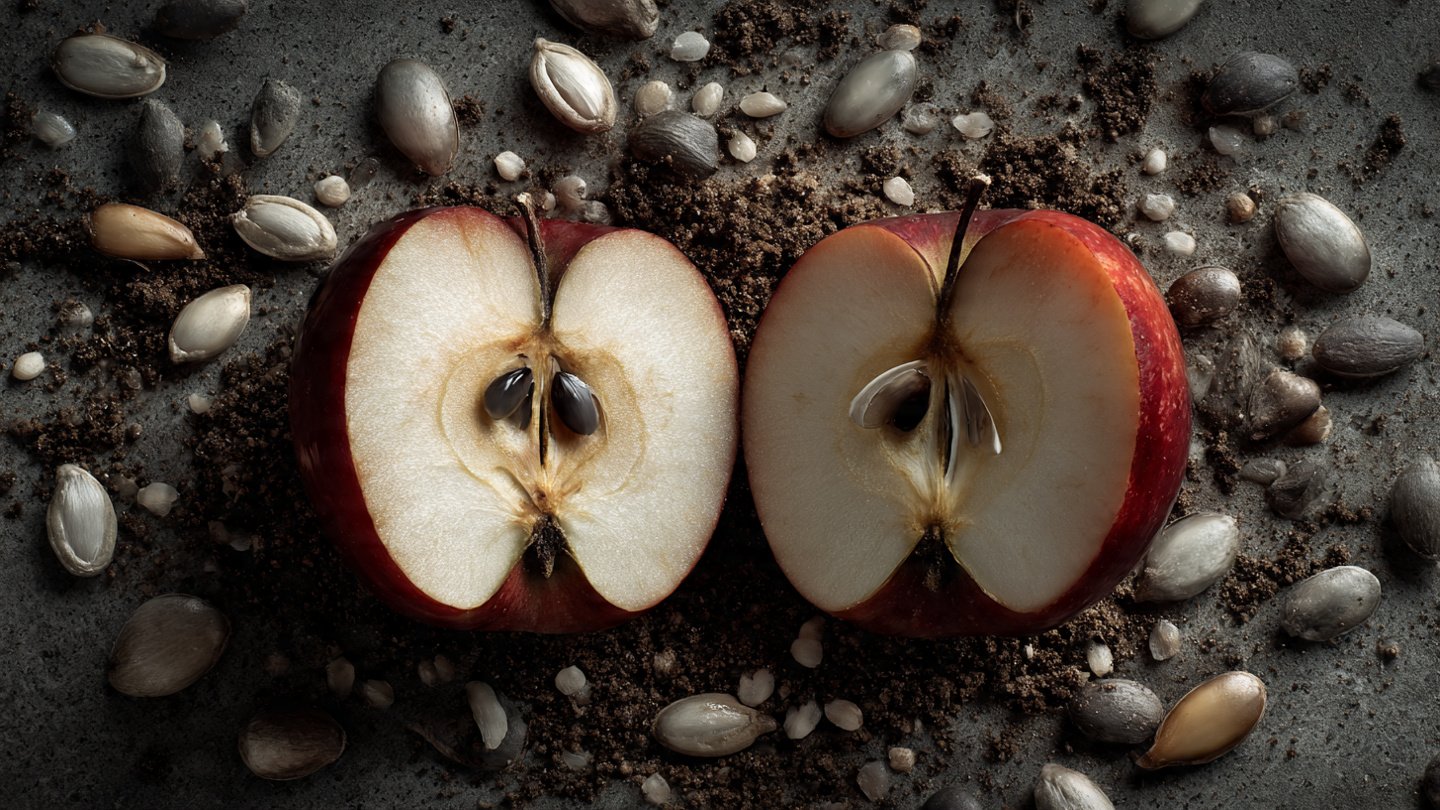
Apple seeds, also known as pips, have the potential to sprout into beautiful apple trees, producing fruit for generations. However, germinating apple seeds can be a slow and challenging process without the right techniques. This article explores several natural methods that can help accelerate the germination of apple seeds, turning the dream of growing your own apple tree into a reality.
Understanding Apple Seed Germination
Before delving into the techniques, let’s briefly discuss the germination process of apple seeds. When planted, apple seeds typically undergo a dormancy period, which is a survival mechanism enabling seeds to withstand unfavorable conditions. This dormancy must be broken for germination to occur, which typically involves stratification—an important phase that mimics winter conditions.
The Importance of Stratification
Stratification involves subjecting the seeds to cold temperatures, usually between 32°F (0°C) and 41°F (5°C), for a specific duration. This process can vary between apple varieties but generally necessitates several weeks of cold treatment. By simulating winter, you can help prepare the seeds for germination as the warmth of spring approaches.
Techniques for Accelerating Germination
Here are some amazing techniques for accelerating the germination of apple seeds using natural methods:
1. Cold Stratification
How to Do It:
- Gathering Seeds: Collect fresh apple seeds from organic apples. The fresher the seeds, the better.
- Preparing the Mixture: Mix the seeds with a moist medium, such as sand or peat moss, to facilitate water retention.
- Placing the Mixture: Store the seeds and medium in a plastic bag or airtight container and keep them in the refrigerator for about 6 to 8 weeks.
Benefits:
This method mimics natural winter conditions, softening the seed coat and allowing the seeds to become ready for germination. You can also avoid mold by ensuring the medium remains moist but not overly wet.
2. Soaking the Seeds
How to Do It:
- After the stratification period, remove the seeds from the refrigerator.
- Soak the seeds in room temperature water for 24 hours before planting them.
Benefits:
Soaking helps to further soften the seed coat, allowing moisture to penetrate and initiating the germination process. It can significantly increase the chances of successful germination.
3. Use of Natural Hormones
How to Do It:
- Some gardeners use natural rooting hormones or stimulants such as honey or aloe vera.
- Mix one part honey or aloe vera with two parts water.
- Soak the seeds in this mixture for a few hours before planting.
Benefits:
These natural substances can stimulate growth and enhance the germination rate by providing essential nutrients. Honey, for instance, has antibacterial properties that keep seeds healthy, while aloe vera contains enzymes that promote root development.
4. Scarification
How to Do It:
- Scarification involves physically breaking or abrading the seed coat to create an opening for moisture.
- You can gently rub the seeds between two pieces of sandpaper or nick them with a knife.
Benefits:
By weakening or breaking the protective outer layer of the seed, this method allows for quicker absorption of water, thus speeding up the germination process.
5. Utilizing Compost Tea
How to Do It:
- Brew a compost tea by soaking compost in water for a few days.
- After straining, use this nutrient-rich liquid to soak your seeds or water the soil in which you’ll be planting them.
Benefits:
Compost tea contains beneficial microorganisms and nutrients that can expedite seed germination and enhance soil health, benefiting the young seedlings.
6. Creating a Warm Microclimate
How to Do It:
- Plant the seeds in a pot or tray filled with rich, well-draining soil.
- Cover the tray with a clear plastic dome or wrap to create a mini-greenhouse effect.
- Place the tray in a warm, brightly lit area, ideally 70°F to 80°F (21°C to 27°C).
Benefits:
Seedlings thrive in warm environments. The mini-greenhouse will maintain humidity levels and keep the temperature high, both of which are conducive to speedy germination.
7. Companion Planting
How to Do It:
- Once you have seedlings, you can enhance their growth by planting them alongside companion plants, such as clover.
- These plants can enrich the soil and provide nutrients, promoting healthier and faster growth.
Benefits:
Companion planting fosters a healthy ecosystem that can support the growth of your apple trees, ensuring they have the best chance at thriving from their early stages.
8. Regular Watering with Diluted Fertilizer
How to Do It:
- After the seeds germinate and seedlings appear, water them regularly with a diluted organic fertilizer solution (like fish emulsion) every two weeks.
Benefits:
Providing nutrients through this method helps ensure a strong and robust start for your seedlings, which can enhance their overall growth and vitality.
9. Sunlight Exposure
How to Do It:
- Once the seedlings have emerged, ensure they receive ample direct sunlight for at least 6-8 hours a day.
Benefits:
Sunlight is crucial for photosynthesis, which enables seedlings to develop strong stems and leaves, improving their overall health and resilience against pests and diseases.
Conclusion
Germinating apple seeds can be a rewarding experience when approached with the right techniques. By incorporating methods like cold stratification, soaking, scarification, and natural hormone use, alongside creating a suitable growing environment, you can accelerate the germination process and enhance the health of your apple seedlings.
Remember to maintain patience and care, as nurturing your apple trees is a long-term investment that can yield delicious fruit for years to come.
FAQs
1. How long does it take for apple seeds to germinate?
Apple seeds typically take 2 to 8 weeks to germinate, depending on the method used and environmental conditions.
2. Can I plant apple seeds directly into the soil?
While you can plant apple seeds directly, it’s recommended to stratify them first for better germination rates.
3. Do I need to remove the seed coat before germination?
No, it’s advisable to leave the seed coat intact during the soaking and stratification process; methods like scarification can help if needed.
4. Is it necessary to use hormones for germination?
No, but using natural hormones can enhance germination rates and promote healthier seedlings.
5. What is the best time to plant apple seeds?
The best time to plant apple seeds is in early spring after the stratification process, when temperatures begin to rise.
6. Can I grow apple trees in containers?
Yes, apple trees can be grown in containers, but ensure the pot is large enough and has good drainage.
7. How can I ensure pests do not harm my seedlings?
Using organic pest deterrents, companion planting, and maintaining strong plant health are effective strategies to keep pests at bay.
8. Do I need multiple apple trees for fruit production?
Yes, most apple trees need cross-pollination from another variety to produce fruit, so consider planting at least two different types.
By following these techniques, you can successfully germinate your apple seeds and embark on a journey toward cultivating your very own apple tree. Happy gardening!