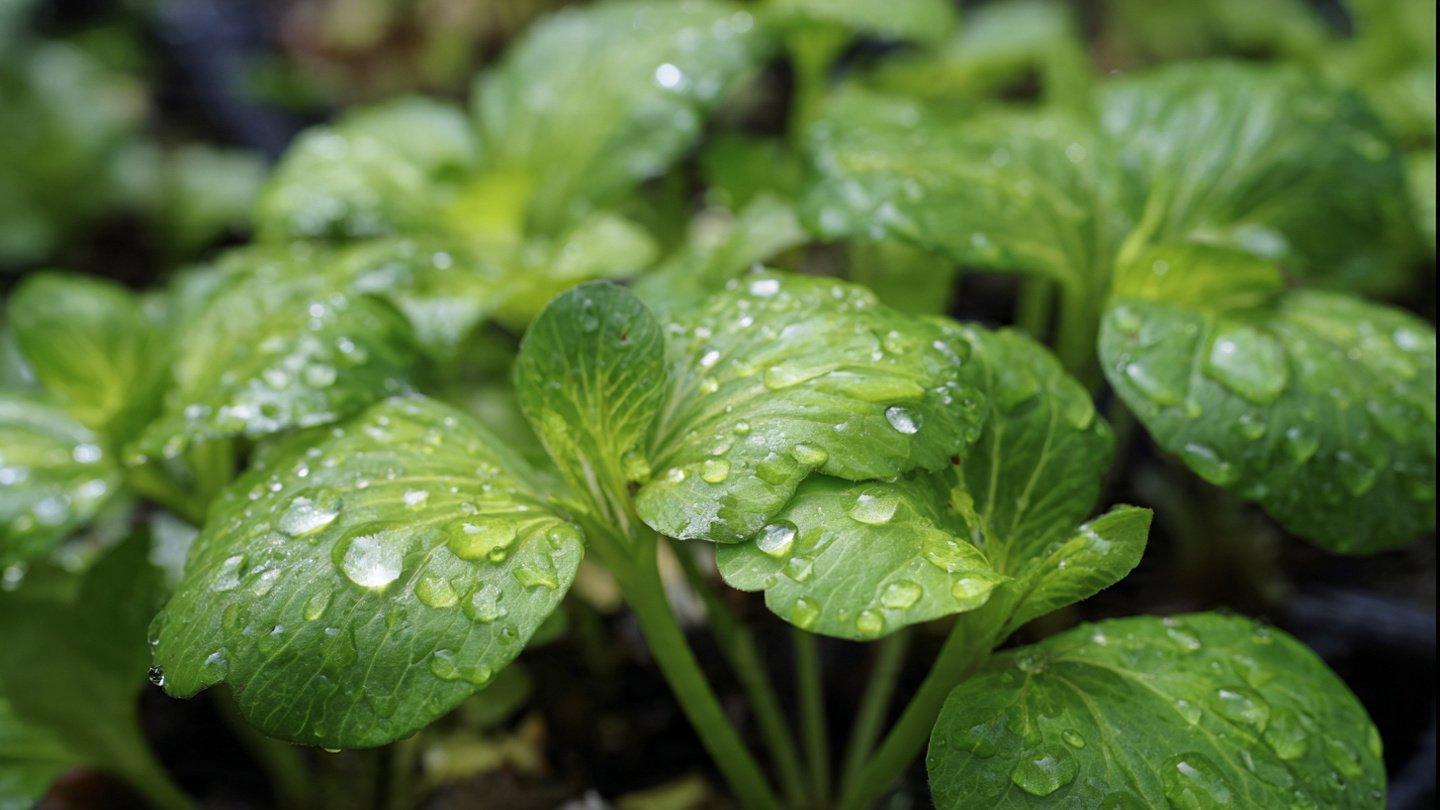
Waterleaf (Talinum triangulare) is a nutrient-rich leafy green vegetable commonly found in tropical regions. With its succulent, tender leaves and easy-growing nature, it has become a favorite among home gardeners. Waterleaf is cherished not just for its culinary uses but also for its medicinal properties. In this guide, we will explore the steps to successfully grow waterleaf greens at home, making it easy for beginners to cultivate this versatile plant.
1. Understanding Waterleaf Greens
Waterleaf is a perennial plant that thrives in warm climates. It is known for its high content of vitamins A and C, calcium, and iron. The leaves are used in various dishes, often cooked or added to soups, stews, and salads. Its mild flavor makes it a great addition to many recipes.
Nutritional Benefits
- High in Vitamins: Waterleaf is rich in Vitamin A and C, which are vital for maintaining a healthy immune system.
- Mineral Content: It provides essential minerals such as calcium and iron, contributing to overall health.
- Antioxidant Properties: The plant contains antioxidants that help combat free radicals in the body.
2. Choosing the Right Location
Sunlight Requirements
Waterleaf greens prefer partial shade but can also thrive in full sun. If you live in a hot climate, some afternoon shade will help prevent the leaves from wilting. Aim for a location that receives at least 4 to 6 hours of indirect sunlight per day.
Soil Type
Waterleaf grows best in well-drained, sandy loam or loamy soil rich in organic matter. Ensure the soil is not too compacted to facilitate root growth and drainage. You can enhance soil quality by mixing in compost to add nutrients.
Container vs. Ground Planting
For beginners with limited space, growing waterleaf in containers is a great option. Use pots with drainage holes to prevent waterlogging. If you have a garden, consider dedicating a patch of soil for planting.
3. Propagation Methods
Waterleaf can be propagated through seeds or stem cuttings.
Seed Propagation
-
Collecting Seeds: If you already have waterleaf plants, you can collect seeds from the flower pods that appear after blooming. These seeds are small and can be saved for future planting.
-
Sowing Seeds: Plant seeds about 0.5 cm deep in the prepared soil. Space them at least 15 cm apart to allow for growth.
-
Germination: Keep the soil moist but not waterlogged. Seeds typically germinate within 2 to 3 weeks.
Stem Cuttings
-
Select Healthy Stems: Choose healthy stems from an existing waterleaf plant, about 15-20 cm long.
-
Prepare the Cuttings: Remove the lower leaves and place the cuttings in a glass of water or directly into the soil.
-
Root Development: If using water, change the water every few days until roots develop. If planting directly in soil, keep the soil consistently moist.
4. Caring for Your Waterleaf Plants
Watering
Waterleaf prefers a moist environment but does not tolerate standing water. Water the plants regularly, ensuring the top inch of soil dries out between waterings. During particularly hot weather, you may need to increase your watering frequency.
Fertilization
Feed your waterleaf plants every 4-6 weeks with a balanced, water-soluble fertilizer. Organic options like fish emulsion or compost tea can provide a nutrient boost without risking chemical overloading.
Pruning
Regularly pinch off the tips of the waterleaf plants to promote bushier growth. This practice will also prevent flowering too early, allowing for prolonged leaf production.
5. Pest and Disease Management
Waterleaf is relatively resistant to pests, but it can be susceptible to aphids, snails, and slugs. Here are some tips for managing pests:
Regular Inspection
- Monitor Plants: Inspect your plants weekly for signs of pests.
- Remove Pests: Manually remove any pests you see or use soapy water spray to deter them.
Organic Treatments
- Neem Oil: This natural pesticide is effective in controlling various pests.
- Handpicking: For larger pests like snails and slugs, handpicking them can significantly reduce their numbers.
6. Harvesting Waterleaf
Waterleaf greens are ready for harvest about 6-8 weeks after planting. Follow these guidelines for a successful harvest:
When to Harvest
- Young Leaves: For the best flavor, harvest young, tender leaves. These are usually smaller and more flavorful than mature leaves.
- Avoid Over-Harvesting: Only take a few leaves at a time from each plant to ensure continuous growth.
How to Harvest
- Use Clean Shears: Cut the leaves gently with sterilized scissors or garden shears to avoid damaging the plant.
- Harvest in the Morning: For maximum freshness, harvest in the morning when the plants are hydrated.
7. Culinary Uses
Waterleaf greens are versatile in the kitchen. Here are a few popular ways to prepare them:
- Soups and Stews: Adds flavor and nutrition to various dishes.
- Stir-Fries: Quickly sauté leaves with garlic and oil for a quick, tasty side dish.
- Salads: Young leaves can be eaten raw in salads.
Conclusion
Growing waterleaf greens at home is an excellent way for beginners to start their gardening journey. With low maintenance requirements and a wealth of health benefits, waterleaf makes an ideal addition to your home garden. Whether you’re looking to spice up your meals or improve your diet, these greens can be beneficial.
FAQs
1. Is waterleaf easy to grow?
Yes, waterleaf is relatively easy to grow and requires minimal maintenance, making it perfect for beginner gardeners.
2. How much sunlight does waterleaf need?
Waterleaf prefers partial shade but can also grow in full sun. Aim for about 4-6 hours of sunlight per day.
3. Can I grow waterleaf in containers?
Absolutely! Waterleaf can be successfully grown in containers, provided they have good drainage.
4. What pests should I keep an eye on?
Watch for aphids, snails, and slugs, which can affect your waterleaf plants.
5. When can I start harvesting the leaves?
You can begin harvesting waterleaf greens about 6-8 weeks after planting, as soon as the leaves are tender and young.
6. What is the best way to store harvested waterleaf?
Store harvested leaves in a plastic bag in the refrigerator. They are best used fresh but can last up to a week.
7. Do waterleaf plants require special fertilizers?
No special fertilizers are needed. A balanced, water-soluble fertilizer or organic options like compost will suffice.
Feel free to explore and experiment with growing waterleaf greens at home. With a bit of care, you’ll be rewarded with fresh, nutritious greens that enhance your culinary creations!