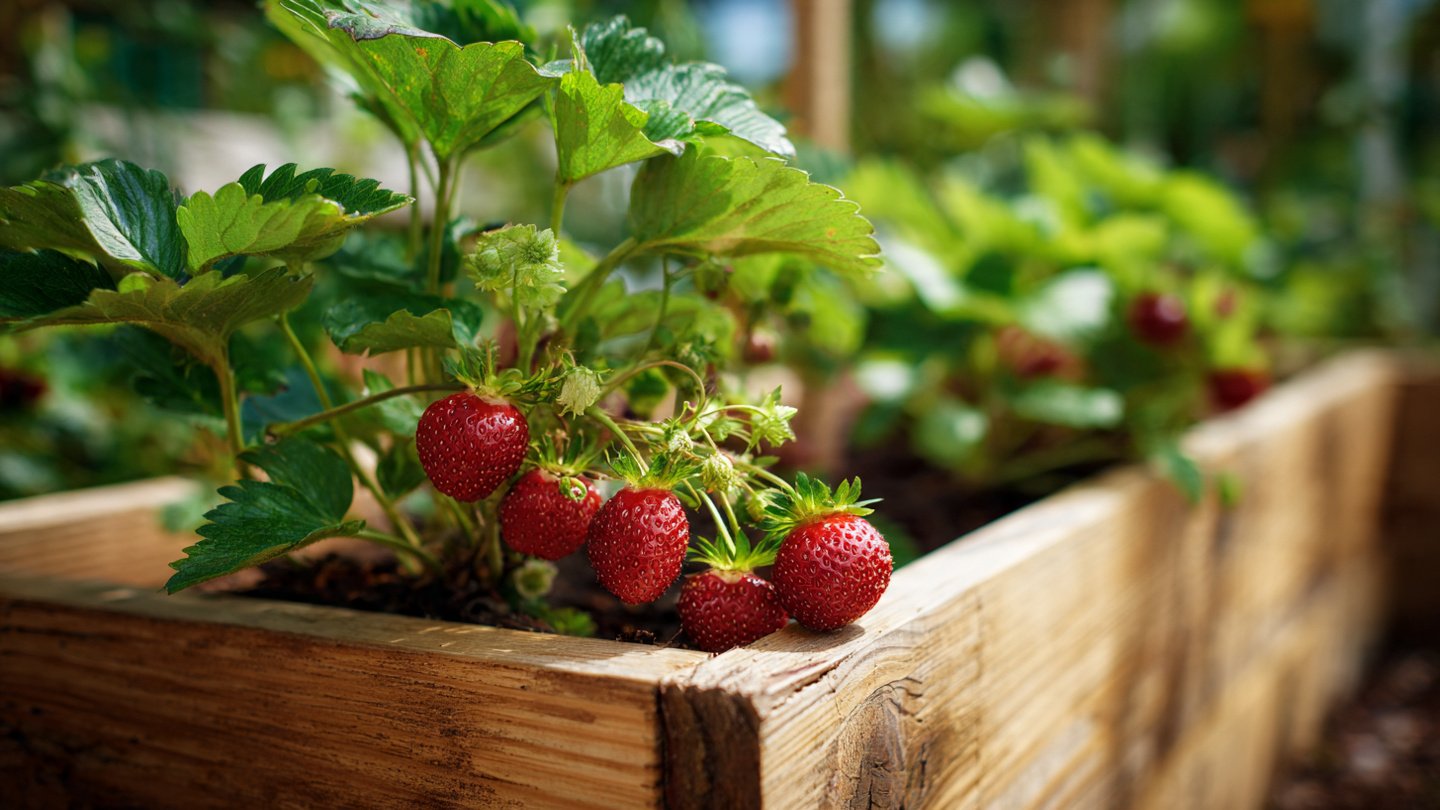
Growing strawberries in raised beds is an excellent way to enjoy the delightful taste of fresh, homegrown fruit right from your garden. Strawberries are versatile, relatively easy to grow, and can provide bountiful harvests. This guide will walk you through the best practices for cultivating strawberries in raised beds, ensuring that you maximize yield and enjoy the sweetest berries possible.
Why Raised Beds?
Raised beds offer several advantages for growing strawberries:
- Improved Drainage: Strawberries thrive in well-drained soil. Raised beds promote drainage, preventing the roots from sitting in water.
- Better Soil Control: You can customize the soil mix, ensuring ideal pH and nutrient levels for strawberries.
- Easier Access: Raised beds reduce soil compaction and make it easier to care for your plants without bending down.
- Pest Management: It’s easier to manage pests since you can surround raised beds with barriers to protect your plants.
Choosing the Right Strawberries
Types of Strawberries
There are three main types of strawberries you can grow:
- June-Bearing: These produce one large harvest per year, typically in late spring or early summer. They require more care as they have a concentrated fruiting period.
- Ever-Bearing: These produce two to three smaller harvests throughout the growing season. They are ideal for home gardeners who want fresh strawberries over a longer period.
- Day-Neutral: These produce fruit continuously as long as temperatures are suitable. They are great for regions with variable growing seasons.
Selecting Varieties
Popular varieties include:
- ‘Chandler’: Known for its large, sweet berries and high yield.
- ‘Seascape’: An ever-bearing variety great for warmer climates.
- ‘Albion’: Day-neutral with a sweet flavor, ideal for fresh eating.
Setting Up Your Raised Bed
Size and Location
- Height and Dimensions: A raised bed should be at least 12 inches deep and can range from 3 to 4 feet wide. This allows for proper root development and easy access for harvesting.
- Location: Choose a sunny location; strawberries require at least 6-8 hours of sunlight daily. Avoid areas with excessive wind, as it can damage fragile plants.
Soil Preparation
- Soil Mix: A well-draining soil mix is crucial. Combine equal parts of garden soil, compost, and peat moss or coconut coir. This mix provides essential nutrients, retains moisture, and promotes aeration.
- pH Level: Strawberries prefer a slightly acidic pH of 5.5 to 6.5. Test your soil and amend accordingly with sulfur or lime if necessary.
Building the Raised Bed
Use rot-resistant wood such as cedar or redwood, or opt for composite materials. Ensure proper construction to create a sturdy frame, and consider lining the bottom with landscaping fabric to deter weeds.
Planting Strawberries
Timing
- Best Time to Plant: Spring is the ideal time for planting strawberries, as this allows the plants to establish before the heat of the summer. In warmer climates, you can plant in the fall.
- Spacing: Space the plants about 12-18 inches apart in rows that are 2-3 feet apart. Proper spacing promotes good air circulation and sunlight exposure.
Planting Process
- Digging Holes: Dig holes deep enough to accommodate the roots without bending them.
- Planting Depth: Ensure the crown (where the roots meet the stem) is just above the soil line. Planting too deep can lead to rot and too shallow can dry out the roots.
Care and Maintenance
Watering
- Frequency: Strawberries need consistent moisture, especially during flowering and fruit development. Water deeply but less frequently to encourage deep root growth.
- Drip Irrigation: This method conserves water and keeps moisture off the leaves, reducing fungal diseases.
Fertilization
- Type of Fertilizer: Use a balanced fertilizer with equal parts nitrogen, phosphorus, and potassium, such as a 10-10-10 formula.
- Timing: Fertilize in early spring when new growth begins and again after the harvest to encourage strong growth for the next season.
Mulching
Apply a layer of organic mulch such as straw or wood chips around the plants. This helps retain moisture, suppress weeds, and regulate soil temperature.
Pruning and Training
- Removing Runners: While strawberry runners (or “whips”) are great for propagation, you may want to remove some to focus the plant’s energy on fruit production, especially in the first year.
- Cleaning: Remove old leaves and any diseased plant parts to reduce the risk of pests and diseases.
Pest and Disease Management
Common Pests
- Slugs and Snails: Use organic traps or barriers to deter these pests.
- Spider Mites: Increase humidity and remove affected leaves.
Diseases
- Gray Mold (Botrytis): Prevent by ensuring good air circulation and avoiding overhead watering.
- Powdery Mildew: Apply organic fungicides and maintain plant spacing to improve airflow.
Harvesting Strawberries
When to Harvest
- Ripeness Indicators: Strawberries are ready to harvest when fully red. Taste a few to gauge sweetness.
- Picking Technique: Hold the stem gently and twist. Avoid pulling, which can damage the plant.
Post-Harvest Care
- Storage: Store strawberries in a cool place and avoid washing them until ready to eat to prolong freshness.
- Caring for Plants After Harvest: Continue to water and fertilize to encourage a healthy return for the following year.
Frequently Asked Questions (FAQs)
1. Can I grow strawberries in a small raised bed?
Yes, strawberries can thrive in smaller beds as long as proper spacing and care are provided. Choose compact varieties for limited space.
2. How often should I water my strawberries?
Water deeply once a week, more frequently in hot, dry weather. The soil should remain consistently moist but not soggy.
3. What is the best mulch for strawberries?
Straw is commonly used as mulch for strawberries as it helps retain moisture, suppresses weeds, and adds organic matter as it breaks down.
4. How do I protect my strawberry plants from pests?
Use row covers, traps, and organic pest deterrents. Regularly inspect for signs of infestation.
5. Can I grow strawberries indoors?
Yes, strawberries can be grown indoors in pots with adequate light and care. Consider using a grow light if sunlight is limited.
6. When should I stop watering my strawberries in the fall?
Reduce watering once the plants become dormant, typically after the first frost. Ensure they have adequate moisture for the winter but do not overwater.
7. How do I prepare my raised bed for winter?
Remove any dead leaves and debris, apply mulch, and consider covering the bed with a lightweight row cover to protect against harsh winter conditions.
8. Can I grow strawberries in partial shade?
While strawberries prefer full sun, they can tolerate partial shade. However, yields may be reduced.
9. How can I ensure a good yield?
Choose the right variety, provide proper care, and maintain good soil health. Regular pruning and pest management are also crucial.
10. When will my strawberry plants bear fruit?
Depending on the variety, strawberry plants can bear fruit in their first or second year after planting. Early care and attention will help maximize yields.
Conclusion
With the right planning, care, and attention, growing strawberries in raised beds can be a rewarding endeavor. Not only can you enjoy the freshest berries, but it’s also an opportunity to engage in a fulfilling gardening experience. By following these easy tips and addressing any challenges promptly, you can cultivate a thriving strawberry patch that will provide delicious fruit for years to come. Happy gardening!