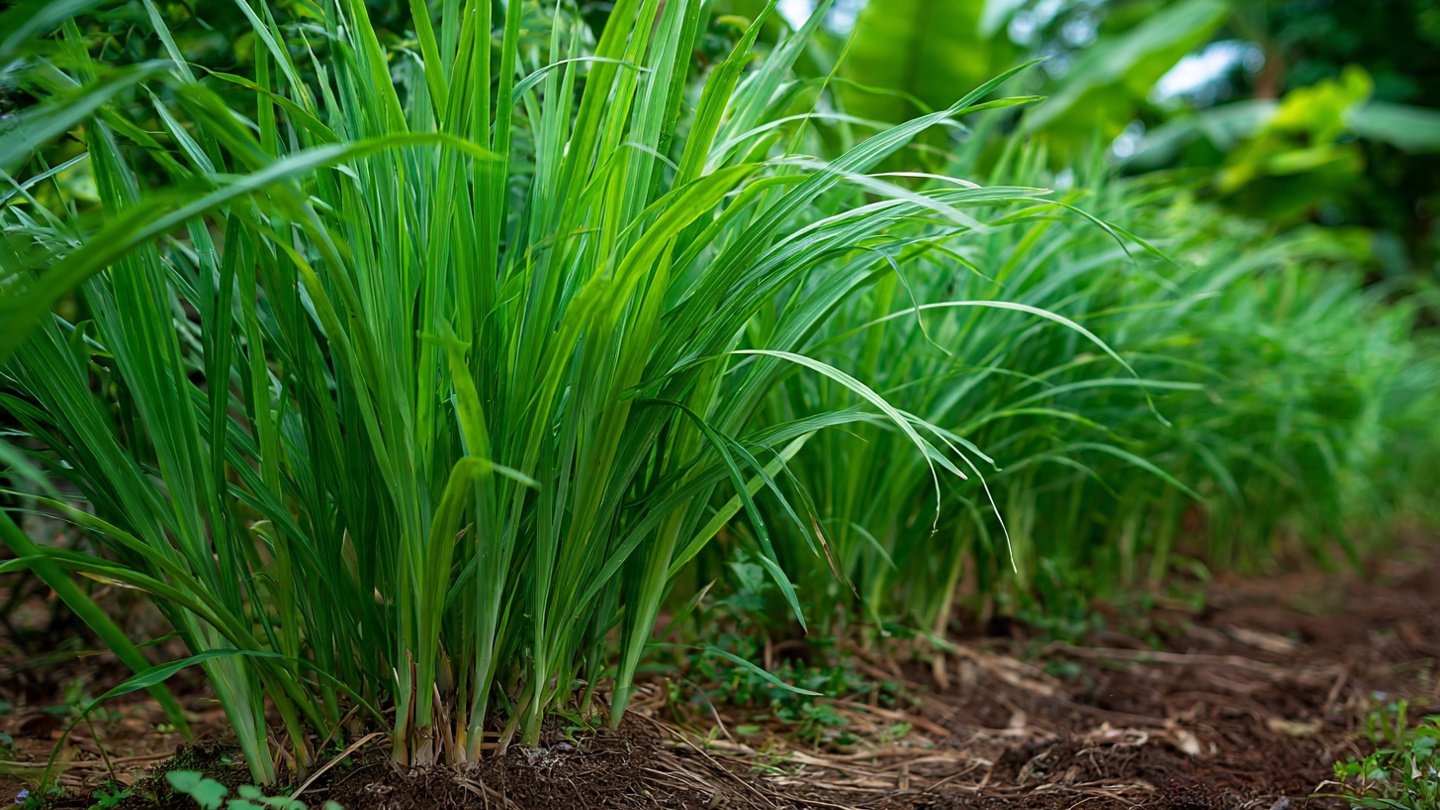
Lemongrass (Cymbopogon citratus) is a versatile and aromatic herb widely used in culinary dishes, teas, and even natural remedies. Not only does it add a refreshing flavor to your meals, but it can also thrive in your backyard or even in pots on your balcony. If you’re looking to enhance your garden and have a continuous supply of this fragrant herb, multiplying your lemongrass clumps is an easy and rewarding endeavor. This article will guide you through the simple steps to multiply your lemongrass at home for abundant harvests.
Understanding Lemongrass
Before we dive into the multiplication methods, it’s important to understand lemongrass itself. This perennial plant prefers warm climates but can be grown in many regions. Its stalks are used for cooking and can be harvested when they reach about 12 inches in height. Lemongrass thrives best in well-drained soil, plenty of sunlight, and regular watering.
Benefits of Growing Lemongrass
- Flavor Enhancer: Adds a citrusy flavor to food.
- Health Benefits: Known for its anti-inflammatory and antioxidant properties.
- Versatility: Can be used in teas, soups, curries, and marinades.
- Easy to Grow: Requires minimal care and is hardy.
Step 1: Choosing the Right Lemongrass
To multiply lemongrass, it’s essential to begin with healthy clumps. If you already have lemongrass growing, choose a mature clump that is over a year old with several stalks. If you are starting from scratch, visit a local nursery or grocery store to find fresh lemongrass stalks.
Tips for Choosing Lemongrass Stalks
- Healthy Appearance: Look for firm, green stalks without any signs of yellowing or disease.
- Roots: Choose stalks that have a visible root base, as this will help in the multiplication process.
Step 2: Timing for Multiplication
The best time to multiply lemongrass is in the spring when temperatures begin to rise. This timing allows the newly propagated plants to establish themselves before the heat of summer hits.
Step 3: Preparing for Division
Tools Required
- Sharp Knife or Spade: To divide the clumps smoothly.
- Water: For soaking the roots if necessary.
- Containers or Pots: If you’re propagating in pots, choose one with good drainage.
- Soil: Well-draining potting mix or garden soil.
Dividing the Clump
- Select a Mature Clump: Take your healthy clump of lemongrass and gently remove it from the soil.
- Assess the Roots: Look for natural dividers in the root system. A mature clump will usually have multiple stalks that can be separated.
- Divide Carefully: Use your sharp knife or spade to cut through the roots, ensuring each new section has both roots and shoots (about 2-3 shoots per division).
Step 4: Planting the Divided Clumps
Once you’ve divided the clumps, it’s time to plant them.
Steps to Plant
- Prepare the Soil: Amend the soil with compost or well-rotted manure to enrich it. Make sure it is loose and well-draining.
- Planting: Make a hole deep enough for the roots of each division. Place the stalks upright in the hole and gently pack the soil around them.
- Watering: After planting, water the divisions thoroughly to help settle the soil.
Step 5: Caring for Your New Lemongrass Plants
Once planted, the new lemongrass plants require care to ensure healthy growth.
Watering
- Regular Watering: Keep the soil consistently moist but not soggy, especially in the first few weeks.
- Mulching: Apply mulch to retain moisture and suppress weeds.
Sunlight
- Full Sun: Lemongrass thrives in full sun (at least 6-8 hours a day), so choose a location that receives ample sunlight.
Fertilization
- Balanced Fertilizer: Use a balanced fertilizer every 4-6 weeks during the growing season to promote healthy growth.
Step 6: Harvesting Your Lemongrass
Your lemongrass will typically be ready to harvest in about 3-4 months after planting. You can tell it’s ready when the stalks reach about 12 inches tall.
Tips for Harvesting
- Cutting: Use a sharp knife to cut the stalks at their base, leaving some length for regrowth.
- Regular Harvesting: Regularly harvest the outer stalks to encourage new growth.
- Storage: Fresh lemongrass can be stored in the refrigerator for a week or more or frozen for later use.
Step 7: Troubleshooting Common Issues
While lemongrass is relatively low-maintenance, you might encounter a few issues:
Pests and Diseases
- Aphids: Can sometimes infest lemongrass. Use insecticidal soap to control them.
- Rust Fungi: Can cause yellowing of leaves. Ensure good air circulation and avoid overhead watering.
Environmental Factors
- Lack of Sunlight: If your lemongrass appears weak or spindly, it may not be getting enough light.
- Overwatering: Yellowing leaves can indicate root rot due to excessive moisture.
Frequently Asked Questions (FAQs)
Q1: How often should I water my lemongrass?
A: Water your lemongrass regularly to keep the soil consistently moist, especially during hot weather. Reduce watering in winter when growth slows down.
Q2: Can I grow lemongrass indoors?
A: Yes, lemongrass can be grown indoors in pots. Ensure it receives plenty of direct sunlight and is kept in a warm environment.
Q3: How long will lemongrass take to grow from cuttings?
A: If you propagate lemongrass from cuttings in water, roots will typically develop in about 1-2 weeks. Plant them once roots are about 2-3 inches long.
Q4: What is the best way to store lemongrass?
A: Freshly harvested lemongrass can be stored in the refrigerator for up to two weeks. You can also freeze chopped lemongrass in ice cube trays for longer storage.
Q5: Can I use dried lemongrass instead of fresh?
A: Yes, dried lemongrass can be used as a substitute, but the flavor is less potent than fresh lemongrass. Use about a third of the amount specified in recipes.
Conclusion
Growing and multiplying lemongrass at home is a straightforward process that can lead to bountiful harvests. By following these simple steps, you can enjoy the refreshing flavor of lemongrass in your culinary creations year-round. Whether you’re a seasoned gardener or a beginner, multiplying your lemongrass clumps is an excellent way to enhance your garden and enjoy the myriad benefits this herb has to offer. Happy gardening!