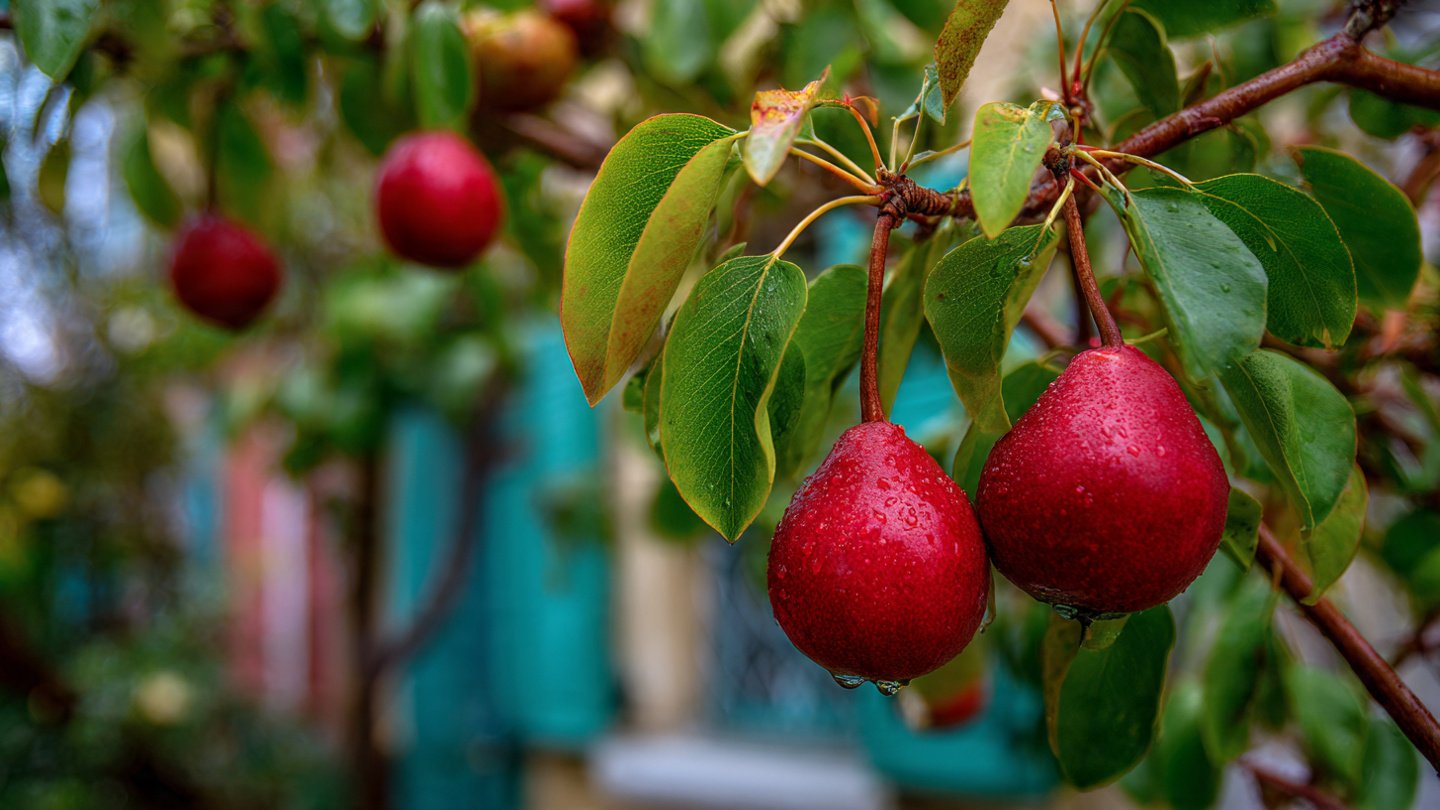
Growing a dwarf pear tree is an excellent way to enjoy delicious fruit right from your backyard. Dwarf pear trees not only produce sweet, juicy pears but are also manageable in size, making them perfect for small spaces. This guide will take you through the essential steps of planting, caring for, and harvesting dwarf pear trees.
Understanding Dwarf Pear Trees
Dwarf pear trees are compact versions of standard pear trees, generally growing 4 to 8 feet tall compared to their full-sized relatives, which can reach heights of 20 feet or more. They typically bear fruit earlier than standard trees, usually within 3 to 4 years of planting. Dwarf pear trees can be grown in containers or in the ground, making them versatile for different backyard setups.
Selecting the Right Variety
Different varieties of dwarf pear trees thrive in various climates and have unique characteristics. Here are a few popular choices:
-
Bartlett: Known for its sweet flavor and versatility, this variety is an excellent choice for fresh eating and canning.
-
Concord: This pear is not only sweet but also has a beautiful shape and is known for its exceptional flavor.
-
Comice: Often regarded as the best-tasting pear, Comice is great for fresh eating.
-
Anjou: Anjou pears are known for their smooth texture and juiciness. They are available in green and red varieties.
Make sure to choose a variety that suits your local climate and soil conditions.
Planting Your Dwarf Pear Tree
Choosing the Right Location
Select a location that receives full sun for at least 6 hours a day. Good sunlight helps the tree produce better fruit. Additionally, pick a spot with well-drained soil to prevent rot, as pear trees do not thrive in overly soggy conditions. If your soil retention is high, consider planting your tree on a mound or improving drainage.
Soil Preparation
Before planting, amend the soil by testing its pH. Ideal pH for pear trees is between 6.0 and 7.0. If needed, you can adjust the pH:
- For acidic soil: Add lime.
- For alkaline soil: Add sulfur or organic matter.
Adding compost can improve both the nutrient content and drainage of the soil.
Planting Steps
-
Dig the Hole: Create a hole about twice the width and as deep as the root ball of your dwarf pear tree.
-
Place the Tree: Gently remove the tree from its container and place it in the center of the hole. Make sure the graft union (bulge on the trunk) is at soil level.
-
Backfill the Hole: Fill in the soil around the roots, patting it down gently to remove any air pockets.
-
Water Thoroughly: After planting, give the tree a good soaking to settle the soil.
-
Apply Mulch: Put a layer of mulch around the base, about 2-3 inches thick, to retain moisture and suppress weeds.
Care and Maintenance
Watering
Dwarf pear trees require consistent moisture, especially during the first few years after planting. Water the tree deeply once a week, or more frequently during hot, dry periods. However, avoid overwatering, as this can lead to root rot.
Fertilizing
Fertilize your dwarf pear tree in early spring with a balanced fertilizer. Slow-release options work well. Too much nitrogen can lead to excessive leaf growth at the expense of fruit, so follow the package instructions carefully.
Pruning
Pruning is essential for the health and fruit production of your dwarf pear tree. Here’s how to do it effectively:
-
Timing: Prune in late winter or early spring before new buds begin to form.
-
Shape: Aim for a central leader system. Remove any dead, broken, or crossing branches.
-
Thinning: Thin out crowded areas to improve air circulation, which helps prevent diseases.
-
Goal: Maintain a balance between foliage and fruiting branches.
Pest and Disease Control
Dwarf pear trees can be susceptible to various pests and diseases, including:
-
Pear Psylla: A significant pest that can cause leaf drop. Introduce beneficial insects such as ladybugs or use insecticidal soap.
-
Fire Blight: A bacterial disease that causes wilting and blackened shoots. Prune away infected branches and disinfect pruning equipment.
-
Scab: Fungal disease presenting as dark spots on leaves. Preventive fungicidal sprays can be effective.
Regular monitoring and prompt action can help mitigate these issues.
Harvesting Your Pears
Pears typically ripen late summer to early autumn, depending on the variety. The specific timing will vary, but here are some tips to determine when they are ready to harvest:
-
Color Change: The pear should change to its characteristic color—e.g., Bartlett pears turn from green to a yellowish hue.
-
Firmness: Gently squeeze the pear. If it yields slightly, it’s ripe.
-
Ease of Picking: The fruit should come off the tree easily with a slight upward twist.
After harvesting, allow pears to ripen at room temperature for a few days for optimal sweetness and flavor. Store them in the refrigerator to extend their shelf life.
FAQs
1. How long does it take for a dwarf pear tree to bear fruit?
Most dwarf pear trees will start producing fruit within 3 to 4 years after planting, although the exact timing can vary.
2. Can I pollinate dwarf pear trees if they are planted alone?
Many dwarf pear varieties are self-pollinating, but for better fruit production, it’s advisable to plant at least two different varieties to enhance cross-pollination.
3. How much space does a dwarf pear tree need?
Dwarf pear trees require about 6 to 8 feet of space to grow properly. Ensure there is enough clearance for air circulation.
4. What are the best companion plants for dwarf pear trees?
Companion plants can enhance growth and deter pests. Good options include herbs like basil, chives, and marigolds. They help repel harmful insects while improving soil health.
5. Do dwarf pear trees require frost protection?
Yes, young dwarf pear trees are sensitive to frost. If you live in an area with late frosts, consider covering your tree with frost cloth or bringing container-grown trees indoors during cold snaps.
Conclusion
Growing a dwarf pear tree in your backyard can be a rewarding experience, combining the joy of gardening with the pleasure of enjoying homegrown fruit. Whether you choose to plant one or more varieties, the steps outlined here will help you cultivate a healthy tree that yields delicious pears for years to come. Happy gardening!