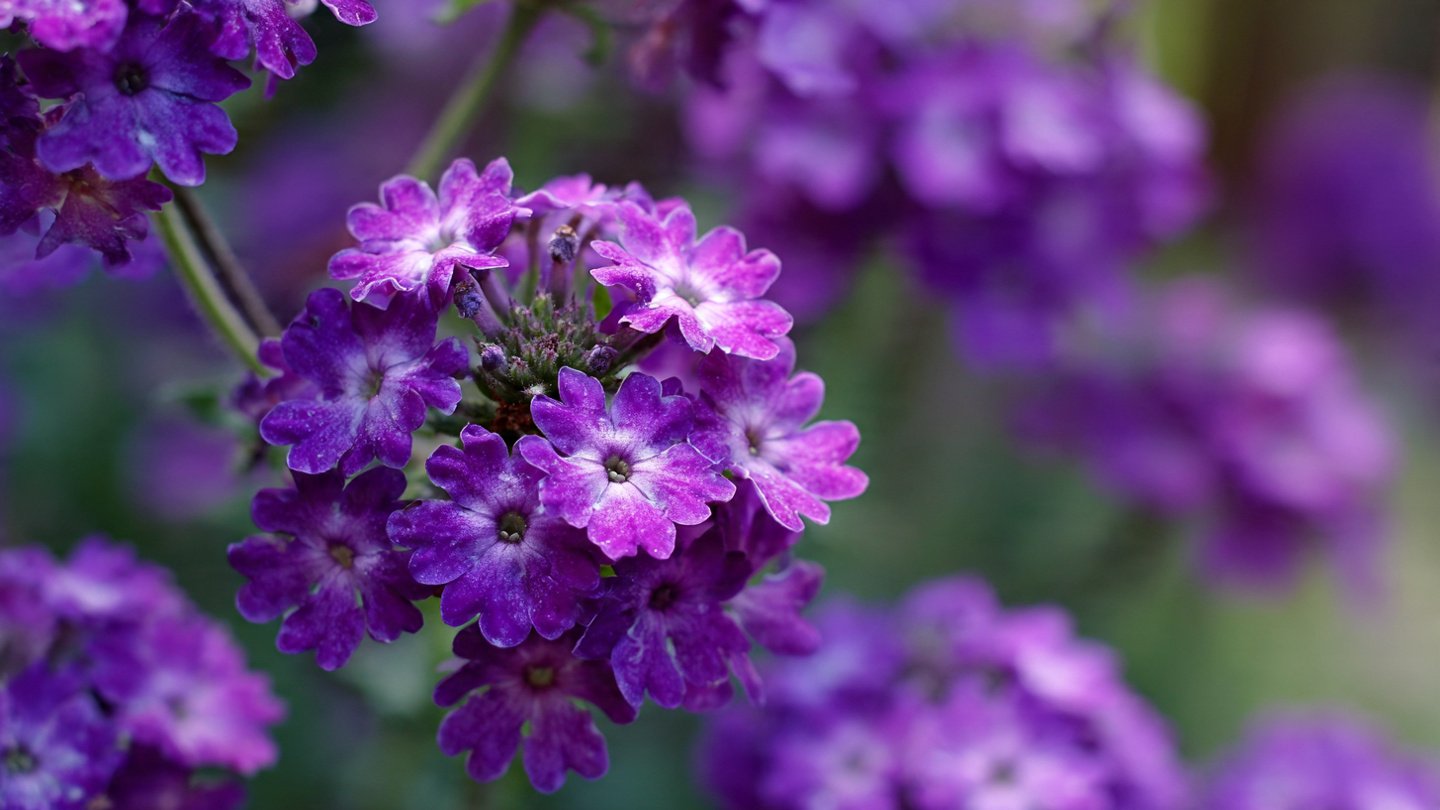
Verbena hybrid flowers, known for their vibrant colors and long-lasting blooms, are a favorite among gardeners. These hardy plants are versatile, adapting well to various growing conditions and offering a stunning display of blossoms throughout the growing season. This guide will cover everything you need to know about growing verbena hybrid flowers in your home garden, from planting to maintenance, and will even address frequently asked questions to ensure your success.
What Are Verbena Hybrid Flowers?
Verbena hybrids, often simply referred to as verbena, are the result of cross-breeding various species of verbena plants. They exhibit a wide variety of colors and growth habits, making them excellent choices for both containers and garden beds. Common colors include purple, pink, red, white, and blue, with many varieties featuring bicolor blooms.
Characteristics of Verbena Hybrid Flowers
- Growth Habit: Verbena hybrids can be trailing or upright, depending on the variety. Trailing varieties are perfect for hanging baskets and containers, while upright types work well in garden beds.
- Height: Depending on the type, verbena can range from 6 to 24 inches tall.
- Bloom Duration: These flowers typically bloom from early spring until frost, providing continuous color in the garden.
Choosing the Right Variety
When selecting a variety of verbena for your garden, consider factors such as growth habit, color scheme, and regional climate. Some popular varieties include:
- Lanai Series: Known for their compact habit and extensive blooming.
- Aztec Series: Brighter colors and drought-resistant characteristics.
- Meteor Shower: A trailing variety with a unique cascading effect, perfect for containers.
- Suncatcher: A vibrant variety that thrives in sunny locations.
Ideal Growing Conditions
Sunlight
Verbena hybrids thrive in full sun, requiring at least 6 to 8 hours of direct sunlight each day. In shadier conditions, they may become leggy and fail to produce abundant blooms.
Soil
Well-drained soil is essential for healthy verbena growth. Rich, loamy soil with a pH of 6.0 to 7.0 is ideal. Amend heavy clay soil with compost or sand to improve drainage.
Watering
While verbena is fairly drought tolerant, consistent watering is crucial, especially during the initial establishment period. Water deeply but infrequently to encourage deep root systems. Once established, allow the soil to dry out between watering sessions.
Planting Verbena Hybrid Flowers
When to Plant
The best time to plant verbena hybrids is in the spring after the danger of frost has passed. In warmer climates, you can also plant in the fall.
How to Plant
- Choose a Location: Look for a site that receives full sun with well-draining soil.
- Prepare the Soil: Remove weeds and debris, and work in compost or organic matter to enrich the soil.
- Spacing: Depending on the variety, space plants 10 to 18 inches apart. Trailing varieties can be planted closer together for a fuller appearance.
- Planting: Dig a hole slightly larger than the root ball. Place the plant in the hole and backfill with soil. Water thoroughly after planting.
Maintenance
Fertilization
Verbena hybrid flowers benefit from regular fertilization. Use a balanced fertilizer every 4 to 6 weeks during the growing season to promote robust growth and vibrant blooms.
Pruning
Pruning is essential for maintaining the health and appearance of your verbena:
- Deadheading: Regularly remove spent blooms to encourage new growth and prolong flowering.
- Shape Maintenance: Trim back leggy growth to promote bushiness. This can be done in mid-summer.
Pest and Disease Management
Verbena hybrids can be susceptible to several pests and diseases. Watch for common issues such as:
- Aphids: Small insects that can be removed with a strong spray of water or insecticidal soap.
- Powdery Mildew: Ensure proper airflow around the plants and avoid overhead watering to minimize this fungal disease.
- Root Rot: Overwatering or poorly draining soil can lead to root rot; ensure adequate drainage.
Propagating Verbena Hybrid Flowers
From Seeds
- Start Indoors: Start seeds indoors 8 to 10 weeks before your last frost date. Use seed trays filled with seed-starting mix.
- Transplant: Once seedlings are large enough to handle and after the threat of frost has passed, transplant them into your garden.
From Cuttings
- Select Healthy Stems: Choose healthy, non-flowering stems and cut them just below a leaf node.
- Rooting Hormone: Dip the cut end in rooting hormone and place it in a pot filled with moist potting mix.
- Humidity: Cover the pot with a plastic bag or place it in a humidity dome until roots develop, usually in a few weeks.
Seasonal Care
Wintering Verbena
In cooler climates, verbena hybrids may not survive the winter, but you can try:
- Container Plants: Bring container plants indoors and place them in a sunny window.
- Mulching: For garden-planted varieties, apply a thick layer of mulch to protect the roots from freezing temperatures.
Companion Planting
Verbena hybrids pair well with a variety of garden plants. Consider these companions:
- Petunias: Their color complements verbena blooms beautifully.
- Zinnias: Both thrive under similar conditions and add vibrant color.
- Marigolds: Help deter pests while providing visual contrast.
Common Uses in the Garden
Verbena hybrids are versatile and can enhance your garden in numerous ways:
- Borders: Plant them as a colorful border along walkways.
- Containers: Ideal for hanging baskets or patio containers.
- Ground Cover: Use trailing varieties to cover large areas and suppress weeds.
Conclusion
Growing verbena hybrid flowers in your home garden is both rewarding and relatively simple. With their vibrant colors and adaptability, they bring a cheerful touch to any landscape. By following these guidelines on planting, care, and maintenance, you can enjoy a spectacular display of verbena blooms season after season.
FAQs
1. How long do verbena hybrid flowers bloom?
Verbena hybrids typically bloom from early spring until the first frost, providing a long-lasting color display in your garden.
2. Can verbena hybrid flowers survive in shady areas?
While some shade tolerance exists, verbena hybrids thrive best in full sun with at least 6-8 hours of direct sunlight daily.
3. How do I prevent pests on my verbena plants?
Regularly inspect your plants for pests like aphids and use insecticidal soap or a strong spray of water to manage infestations.
4. Is it necessary to deadhead verbena flowers?
Yes, deadheading spent blooms encourages continuous flowering and promotes a bushier appearance.
5. Can verbena hybrids be grown in pots?
Absolutely! Verbena hybrids thrive in containers, making them perfect for patios, balconies, or front porches.
6. Do verbena hybrid flowers attract pollinators?
Yes, verbena hybrids are known to attract various pollinators, including bees and butterflies, enhancing the biodiversity of your garden.
7. What should I do if my verbena wilts?
Check for overwatering or underwatering. Adjust your watering accordingly and ensure good drainage to prevent root rot.
Growing verbena hybrids can be a delightful addition to your gardening journey. With their stunning blooms and resilience, they make every effort worthwhile. Happy gardening!