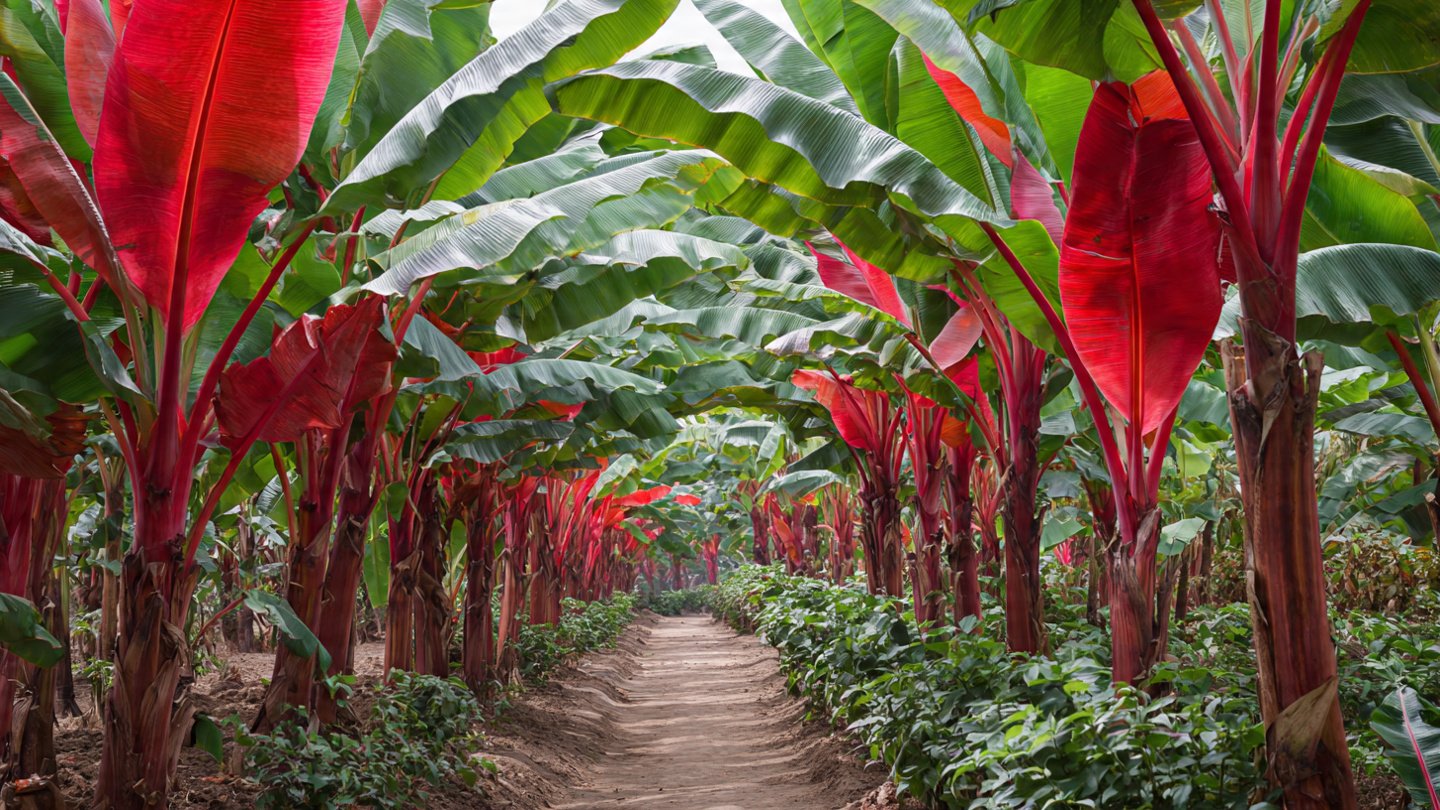
Banana plants, particularly the red variety, are not just a delight for the palate but also a striking ornamental choice that can elevate the aesthetic appeal of any garden. Their stunning foliage, coupled with vibrant red fruit, creates an exotic atmosphere reminiscent of tropical climates. Growing red banana plants can transform your outdoor space into a lush paradise. This guide will walk you through the process of successfully cultivating these beautiful plants while addressing common questions in the FAQ section at the end.
Understanding Red Banana Plants
Characteristics of Red Banana Plants
Red banana plants, scientifically known as Musa acuminata, are characterized by their reddish-purple fruit, which is sweeter and creamier than conventional yellow bananas. The plants can reach heights of 6 to 10 feet and have large, lush green leaves that provide ample shade.
Varieties
Common varieties of red bananas include:
- Dwarf Red (also known as Red Dacca or Red Cuban): This variety reaches about 5-6 feet in height.
- Rajapuri: Known for its hardiness and ability to thrive in various conditions.
Both varieties are well-suited for ornamental purposes in addition to fruit production.
Site Selection and Preparation
Choosing the Right Location
Red banana plants thrive in warm, humid environments. Choose a location that receives full to partial sunlight (at least 6 hours a day). Avoid areas with strong winds, as these can damage the large leaves.
Soil Requirements
The plant prefers well-draining, nutrient-rich soil. Here’s how to prepare the soil:
- Test Soil pH: Aim for a pH between 5.5 and 7.0.
- Amend the Soil: Incorporate organic matter such as compost or well-rotted manure to improve fertility and drainage.
- Tilling: Loosen the soil to ensure proper root growth.
Planting Red Banana Plants
When to Plant
The best time to plant red banana plants is during the spring after the last frost date, when temperatures are consistently above 60°F (15°C).
Planting Process
- Digging Holes: Make holes at least 2 feet deep and 2 feet wide to accommodate the root system.
- Spacing: Space plants at least 8 to 10 feet apart to allow for optimal growth and air circulation.
- Planting: Place the seedling in the center of the hole, backfill with soil, and water thoroughly.
Care and Maintenance
Watering
Red banana plants prefer consistently moist soil. Water them regularly, especially during dry spells. However, avoid waterlogging, as this can lead to root rot. A good rule of thumb is to provide at least 1 inch of water per week.
Fertilization
To keep your banana plants healthy and productive:
- Fertilize: Use a balanced fertilizer every 4 to 6 weeks during the growing season. Look for fertilizers high in potassium, as this promotes fruitful growth.
- Mulch: Apply a layer of organic mulch around the base to retain moisture and suppress weeds.
Pruning
Regular pruning encourages healthy growth. Remove any dead or damaged leaves to promote air circulation and prevent disease. After fruiting, cut the stem back to allow new shoots to emerge.
Pest and Disease Management
Red banana plants are susceptible to pests like aphids, spider mites, and banana weevils. Monitor for signs of infestation, such as yellowing leaves. Use organic insecticides or neem oil for treatment.
Common diseases include:
- Fusarium Wilt: Caused by a soil-borne fungus, this can be prevented by ensuring good drainage.
- Banana Bunchy Top Virus: Infected plants should be removed and destroyed to prevent spread.
Harvesting and Enjoying Your Red Bananas
When to Harvest
Red bananas typically take 9 to 12 months to mature. You’ll know they are ready when the peels start turning yellow with a reddish tint. The fruit should feel firm yet slightly yielding when gently squeezed.
Harvesting Techniques
To harvest, cut the entire banana bunch from the plant. Use a sharp knife or pruners to avoid damaging the plant.
Storage and Usage
After harvesting, allow the bananas to ripen indoors. Store them at room temperature until they soften. Enjoy them fresh or use them in smoothies, desserts, and various dishes to add a tropical flair.
Creating a Tropical Paradise with Red Banana Plants
Landscaping Ideas
Incorporate red banana plants into your garden design for dramatic effect. Here are some ideas to enhance their beauty:
- Tropical Borders: Use red bananas as part of a tropical border alongside other exotic plants like bird of paradise or hibiscus.
- Container Gardens: If space is limited, consider growing red bananas in large containers. Group them with smaller tropical plants to create a stunning focal point.
- Water Features: Pair banana plants with water features like ponds or fountains to mimic their natural habitat, creating a serene atmosphere.
Seasonal Interest
Red banana plants add year-round interest. While the leaves provide a lush background, the bright red fruits create visual excitement, especially during the late summer and fall.
FAQs
1. How much sunlight do red banana plants need?
Red banana plants thrive in full to partial sunlight. Aim for at least 6 hours of direct sunlight each day for optimal growth.
2. Can red banana plants be grown indoors?
While it’s possible to grow red banana plants indoors, they require ample light and humidity. Consider using grow lights if natural lighting is insufficient.
3. How do I propagate red banana plants?
You can propagate red banana plants through division. After the main plant has produced fruit, remove the pups (small offshoots) that grow at the base and transplant them into new pots or locations.
4. What climate is best for red banana plants?
Red banana plants prefer tropical or subtropical climates. They can be grown in zones 9-11 in the United States. In cooler climates, consider growing them in containers or indoors during the winter months.
5. Why are my red banana plants not fruiting?
Lack of sufficient sunlight, water, or nutrients can prevent fruiting. Ensure they are getting proper care, and consider fertilizing to boost their growth.
6. How can I protect my red banana plants from frost?
If you live in an area prone to frost, mulch around the base to insulate the roots. In extreme cases, cover the plant with frost cloth during cold snaps.
Conclusion
Growing stunning red banana plants can greatly enhance your garden’s aesthetic, creating a tropical paradise right at home. With the right care and conditions, these vibrant plants can flourish, offering not just beauty but delicious fruit as well. By following the guidelines in this article, you’ll be well on your way to creating an exotic and inviting outdoor space that reflects your personal style. Happy gardening!