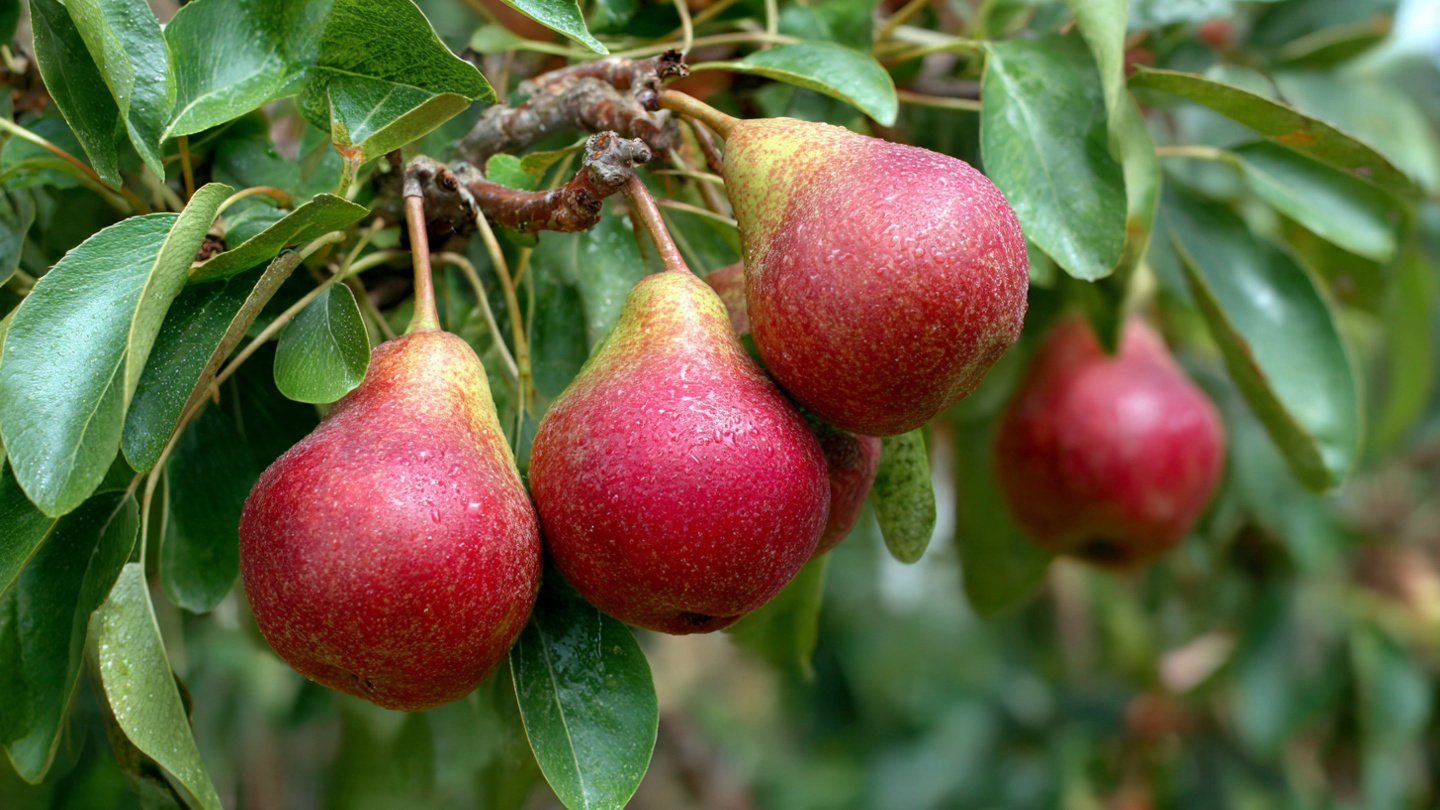
Pears are a delicious, versatile fruit that can enhance your garden while providing ample yields. With the rise of organic gardening, many enthusiasts seek ways to cultivate pears sustainably and efficiently. This article will guide you through effective organic techniques to boost your pear-growing success, ensuring you enjoy bountiful harvests faster than ever.
Understanding Pear Varieties
Before diving into cultivation techniques, it’s essential to understand the different types of pear trees. Here are the major categories:
-
European Pears (Pyrus communis): Commonly grown for their sweet fruit, varieties like ‘Bartlett’ and ‘Anjou’ thrive in temperate climates.
-
Asian Pears (Pyrus pyrifolia): Known for their crisp texture and apple-like flavor, Asian varieties such as ‘Shinseiki’ and ‘Kikusui’ are gaining popularity.
-
Hybrid Pears: Crosses between the European and Asian species, offering unique flavor profiles and adaptability.
Choosing the right variety for your climate and soil conditions significantly impacts growth speed and yield.
Preparing the Soil
Healthy soil is the foundation of successful organic gardening. Here’s how to prepare your soil for pear trees:
1. Soil Testing
Conduct a soil test to understand pH levels and nutrient content. Pear trees thrive in slightly acidic to neutral soils (ideal pH: 6.0-7.0).
2. Amendments
- Organic Matter: Incorporate well-rotted compost or manure to enrich the soil with vital nutrients.
- Mulch: Apply organic mulch (straw, wood chips) to enhance moisture retention and suppress weeds.
3. Drainage
Ensure proper drainage, as pear trees dislike sitting in waterlogged conditions. Raised beds or mounded soil can help prevent root rot.
Planting Techniques
Once your soil is ready, it’s time to plant your pear trees:
1. Optimal Timing
Plant pear trees during early spring or fall for the best establishment.
2. Spacing
Plant trees 15-20 feet apart to allow for mature growth and air circulation, minimizing disease chances.
3. Rooting Depth
Dig a hole twice the width of the root ball but no deeper than the tree’s root system. Plant the tree at the same depth it was in the nursery.
4. Watering
Water thoroughly after planting and consistently for the first few weeks to ensure strong root establishment.
Watering Strategies
Proper hydration is vital for rapid growth:
1. Drip Irrigation
Implement drip irrigation systems to provide consistent moisture directly to the roots, reducing water waste.
2. Deep Watering
Every week, water deeply to encourage roots to grow deeper into the soil, which enhances drought resistance.
3. Mulching
Regularly check and replenish mulch to retain moisture and regulate soil temperature.
Organic Fertilization
To accelerate growth and boost yield, consider these organic fertilization methods:
1. Compost Tea
Create a nutrient-rich compost tea by steeping compost in water for several days. This liquid fertilizer provides a quick nutrient boost.
2. Fish Emulsion
Apply diluted fish emulsion every few weeks during the growing season. It’s high in nitrogen and promotes vigorous growth.
3. Bone Meal
Incorporate bone meal into the soil at planting, supplying phosphorus, which supports root development and flowering.
Pest and Disease Management
Organic methods can keep pests and diseases at bay, ensuring healthy trees:
1. Neem Oil
Use neem oil as a natural pesticide to control aphids, mites, and other common pests.
2. Companion Planting
Introduce companion plants like marigolds or garlic to repel harmful insects and attract beneficial ones.
3. Regular Inspections
Inspect trees frequently for signs of disease or pest infestations. Early intervention is key in organic gardening.
Pruning for Health and Yield
Regular pruning is crucial for the optimal growth of your pear trees:
1. Winter Pruning
Prune in late winter when trees are dormant, removing dead or weakened branches to enhance air circulation.
2. Summer Pruning
Lightly trim undesirable growth in midsummer. This practice keeps trees manageable and increases light penetration, ultimately promoting fruit growth.
3. Shape Formation
Aim for an open center tree shape to enhance sunlight exposure, making it easier for the tree to produce fruit.
Harvesting Techniques
Understanding when and how to harvest is crucial for maximizing yield:
1. Timing
Pears can be harvested when they’re mature but still firm. Use gentle pressure; if they yield easily, it’s time to pick.
2. Proper Handling
Handle pears with care to avoid bruising. Store them in a cool, dry place to prolong freshness.
Encouraging Pollination
Pears typically require cross-pollination for optimal fruit set:
1. Planting Different Varieties
Plant at least two different pear varieties nearby. This encourages bees and other pollinators, increasing fruit production.
2. Attracting Pollinators
Plant flowers that attract bees nearby, further enhancing pollination rates.
Organic Pear Harvesting Hacks
To enhance growth speed and maximize yield more effectively, consider the following hacks:
1. Eco-Friendly Fertilizers
Utilizing humane and eco-friendly fertilizers like worm castings can significantly increase organic matter in your soil, stimulating faster growth.
2. Biochar Incorporation
Adding biochar to your soil can improve nutrient retention and water holding capacity, supporting robust growth.
3. Regular Crop Rotation
Practicing crop rotation with legumes can naturally replenish soil nutrients and help prevent pest build-up.
4. Intercropping
Combine your pear trees with compatible crops like beans or clover, which can enrich the soil and deter pests.
FAQs
Q1: How long does it take for pear trees to produce fruit?
A: Generally, pear trees take about 3 to 5 years to produce their first fruit, depending on the variety and growing conditions.
Q2: What are the best organic treatments for common pear diseases?
A: Copper fungicides and neem oil are effective organic treatments for diseases like fire blight and leaf spot.
Q3: Do pear trees need a pollinator?
A: Most pear trees require a pollinator to ensure fruit set, so plant at least two different varieties nearby.
Q4: Can I grow pear trees in containers?
A: Yes, dwarf varieties are suitable for container gardening. Ensure the pot is large enough and use quality potting soil.
Q5: How often should I fertilize my pear trees?
A: Fertilize your pear trees every 4-6 weeks during the growing season using organic fertilizers to encourage healthy growth.
Conclusion
Growing pears organically can be a fulfilling and productive journey. By implementing these techniques, you’ll not only speed up the growth of your pear trees but also ensure maximum yield. With a bit of care and attention, your garden can be filled with healthy, delicious pears in no time. Happy gardening!