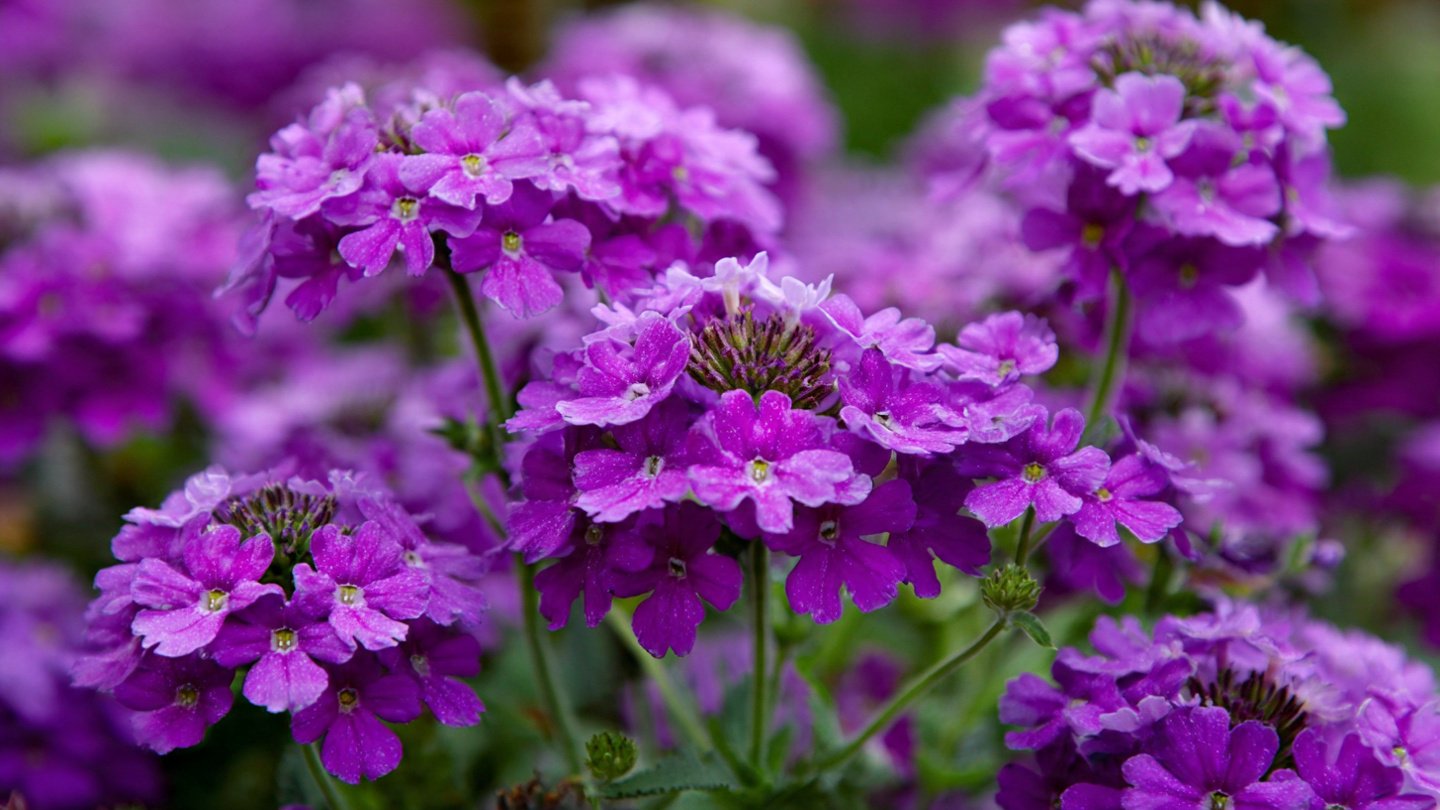
Trailing verbena is a stunning addition to any garden, offering cascading blooms that brighten up a variety of spaces. Known for its resilience and ease of care, trailing verbena is perfect for both novice and experienced gardeners. This article will provide a comprehensive guide on growing your own trailing verbena plants, including selection, planting, care, and crafting an enchanting garden space.
1. Understanding Trailing Verbena
1.1 What is Trailing Verbena?
Trailing verbena (Verbena bonariensis) is a hardy, drought-tolerant perennial that flourishes in a range of conditions. Its delicate clusters of small flowers bloom in vibrant colors, including purple, pink, red, and white. The creeping growth habit makes it an ideal choice for hanging baskets, window boxes, and ground cover.
1.2 Benefits of Growing Trailing Verbena
- Aesthetic Appeal: The profusion of flowers creates a striking landscape visually appealing from spring through fall.
- Pollinator-Friendly: Trailing verbena attracts butterflies, bees, and other beneficial insects, promoting pollination in your garden.
- Low Maintenance: Once established, trailing verbena requires minimal watering and care, making it perfect for busy gardeners or those new to gardening.
2. Choosing Your Verbena Plants
2.1 Varieties to Consider
When selecting trailing verbena, consider the following popular varieties:
- ‘Suncatcher’: Known for its vibrant blooms and heat tolerance.
- ‘Superbena’: A robust variety resistant to powdery mildew, perfect for various climates.
- ‘Lanai’: A fast-growing type ideal for containers and hanging baskets.
2.2 Where to Purchase
Look for trailing verbena plants at local nurseries or garden centers. You can also buy seeds or seedlings online from reputable retailers. Ensure the seller provides healthy, disease-free plants.
3. Preparing Your Garden for Trailing Verbena
3.1 Optimal Growing Conditions
3.1.1 Sunlight Requirements
Trailing verbena thrives in full sun, needing at least six hours of direct sunlight daily. Choose a location in your garden that receives ample sunlight for optimal growth and flowering.
3.1.2 Soil Types
This plant prefers well-draining soil rich in organic matter. Sandy or loamy soils are ideal, but verbenas can tolerate a variety of soil types as long as they drain well.
3.2 Soil Preparation
- Testing pH Levels: Test your soil’s pH; trailing verbena prefers slightly acidic to neutral conditions (pH 6.0 to 7.0).
- Amending the Soil: Enrich your soil with compost or aged manure to improve fertility and drainage. Break up any compacted soil to encourage root growth.
4. Planting Trailing Verbena
4.1 When to Plant
The best time to plant trailing verbena is in the spring after the last frost. If you’re starting from seeds, begin indoors 8-10 weeks before the last frost, or sow directly outdoors once the soil has warmed.
4.2 How to Plant
- Spacing: When planting in the ground, space the plants about 12 to 18 inches apart to allow for their trailing habit.
- Planting Technique:
- Dig a hole twice the width of the root ball but not deeper than the plant itself.
- Place the plant in the center and backfill with soil, pressing gently to remove air pockets.
- Water thoroughly to help establish the plant.
4.3 Planting in Containers
If you’re planting verbena in pots or hanging baskets:
- Choose a container at least 12 inches in diameter with drainage holes.
- Fill with a quality potting mix, and follow the same planting instructions as above.
- Consider adding a slow-release fertilizer for best results.
5. Caring for Your Trailing Verbena
5.1 Watering
While trailing verbena is drought-tolerant, it’s essential to establish a watering routine:
- Water deeply but infrequently, allowing the soil to dry between waterings.
- During dry spells, check your plants regularly and provide additional water as needed.
5.2 Fertilizing
Feed your trailing verbena plants with a balanced fertilizer every four to six weeks during the growing season. Avoid high-nitrogen fertilizers, as they may promote foliage growth at the expense of flowers.
5.3 Pruning and Deadheading
To encourage more blooms and a bushier growth habit:
- Deadhead: Regularly remove spent flowers to promote continued blooming.
- Prune: Lightly prune the plants in late summer to maintain shape and vigor.
5.4 Pest and Disease Management
Trailing verbena is generally resistant to pests and diseases, but you should still be vigilant:
- Common Pests: Check for aphids, spider mites, or whiteflies. Treat infestations with insecticidal soap or neem oil.
- Diseases: Avoid overwatering to prevent fungal issues, such as root rot or powdery mildew.
6. Creating Stunning Displays with Trailing Verbena
6.1 Container Gardens
Pair trailing verbena with other complementary plants in containers. Good companions include:
- Geraniums: Provide a colorful contrast to the verbena.
- Petunias: Attract pollinators and add a delightful scent.
- Snapdragons: Offer vertical growth to balance the trailing effect.
6.2 Ground Cover
Use trailing verbena as ground cover in flower beds. Its sprawling habit helps suppress weeds and maintain soil moisture. Mix it with other ground-hugging plants for a vibrant display.
6.3 Hanger Baskets
For a dramatic vertical display:
- Fill hanging baskets with trailing verbena and surrounding it with upright flowers, like salvia or taller petunias.
- Position baskets in bright areas to ensure the plants receive adequate sunlight.
7. Overwintering Your Trailing Verbena
In colder climates, trailing verbena may die back in winter. To protect your plants:
- In the Ground: Mulch around the base with straw or shredded leaves to insulate the roots.
- In Containers: Move pots to a sheltered area or indoors to avoid frost.
FAQs
1. How long do trailing verbena plants bloom?
Trailing verbena typically blooms from late spring to the first frost, offering a long season of colorful flowers.
2. Can I grow trailing verbena indoors?
While trailing verbena thrives outdoors, it can be grown indoors in bright, sunny locations. Use a pot with drainage holes and ensure it receives plenty of light.
3. How often should I fertilize trailing verbena?
Fertilize every four to six weeks during the growing season with a balanced, slow-release fertilizer.
4. Can I plant trailing verbena with other flowers?
Absolutely! Trailing verbena pairs well with a variety of annuals and perennials, enhancing the visual appeal of your garden.
5. Are trailing verbena plants resistant to pests?
Trailing verbena is generally resistant to pests and diseases, but it’s advisable to keep an eye out for aphids or spider mites.
6. What’s the best way to propagate trailing verbena?
Trailing verbena can be propagated through cuttings or seeds. To take cuttings, snip healthy stems in spring, allow them to root in water or soil, and pot them once established.
7. How do I prevent fungal diseases in trailing verbena?
To prevent fungal diseases, avoid overhead watering, ensure proper spacing for air circulation, and promptly remove any dead or infected foliage.
Conclusion
With their vibrant colors and cascading growth, trailing verbena plants are a fantastic choice for any garden space. By following the steps outlined in this guide and being mindful of the plant’s care requirements, you can successfully grow these enchanting flora and transform your garden into a picturesque haven. Happy gardening!