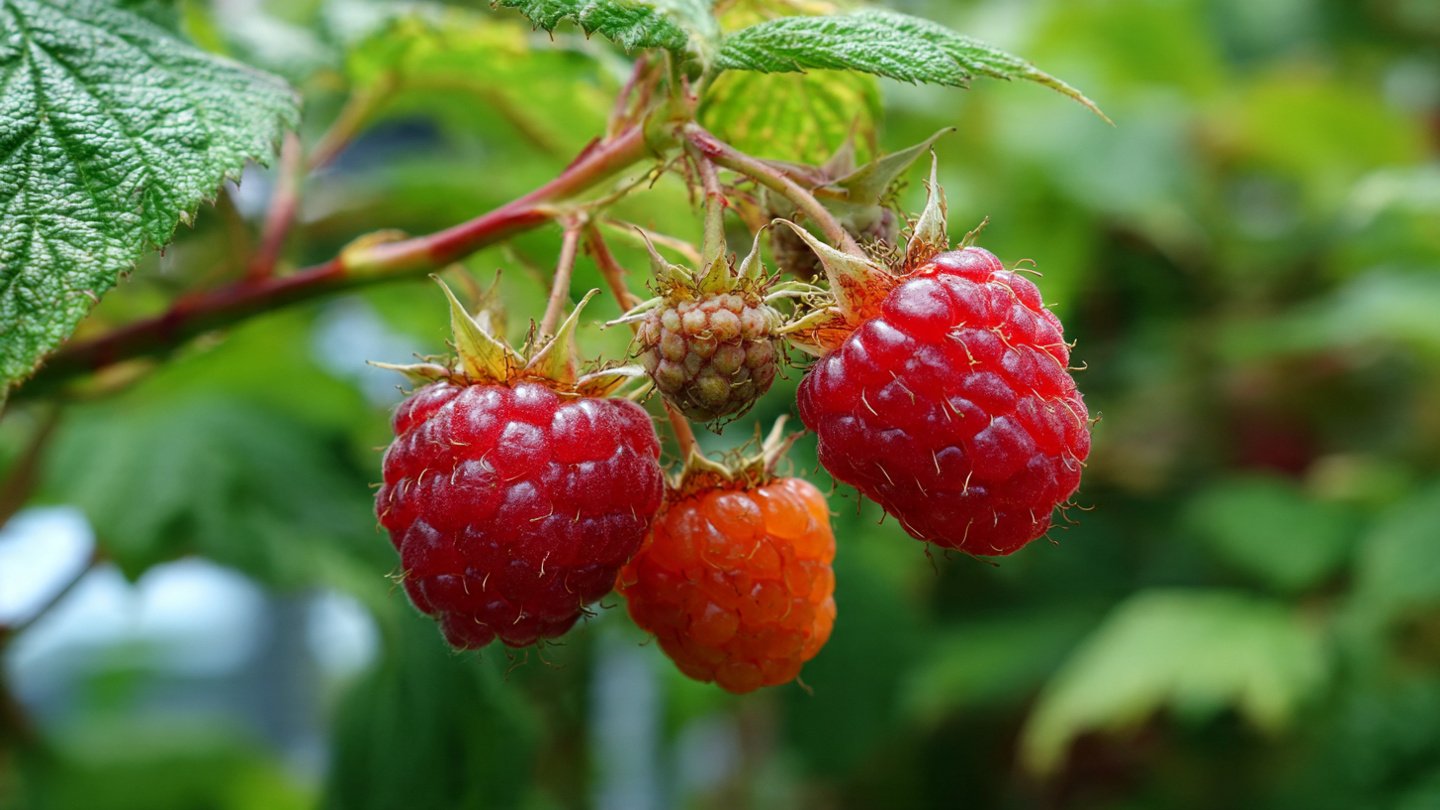
Growing raspberries in cold climates may seem challenging, but with the right techniques, anyone can successfully cultivate these delicious fruits. Raspberries are not just a treat for the palate; they are rich in vitamins, minerals, and fiber, making them a healthy addition to any diet. Below, we break down essential tips and easy hacks that beginners can use to thrive in colder conditions, ensuring a bountiful raspberry harvest.
Understanding Raspberry Varieties
Before diving into the growing process, it’s important to know that there are several raspberry varieties suited for colder climates:
-
Summer-Bearing Raspberries: These produce fruit once a year, typically in mid-summer. Popular varieties include ‘Latham’ and ‘Boyne’.
-
Ever-Bearing Raspberries: These produce fruit in both summer and fall, extending the harvest season. Varieties like ‘Heritage’ and ‘Fall Gold’ are commonly recommended.
When choosing raspberry plants, always opt for varieties that are labeled as cold-hardy or specifically suited for your growing zone.
Selecting the Right Location
Raspberries thrive in areas that receive full sun—at least six to eight hours of sunlight daily. When selecting a site, consider:
-
Drainage: Raspberries prefer well-drained soil. Avoid low-lying areas where water can accumulate after heavy rains.
-
Airflow: Adequate airflow around raspberry plants can help reduce the risk of fungal diseases. Avoid planting near dense shrubs or trees that block wind.
-
Proximity to Structures: When considering a planting site, think about placing raspberries near a south or west-facing wall. This position can help absorb additional heat during the colder months.
Soil Preparation
The success of your raspberry plants begins with the soil. Follow these steps to ensure proper preparation:
-
Test the Soil: Determine the soil’s pH level. Raspberries prefer a slightly acidic pH (between 5.5 and 6.5). Local extension services often offer soil testing.
-
Amend the Soil: If the pH is too high or low, consider adding lime (to raise pH) or sulfur (to lower pH). Additionally, incorporate organic matter like compost or well-rotted manure to improve soil structure and fertility.
-
Tilling: Till the soil to a depth of 12-18 inches. This will aerate the soil and promote healthy root development.
-
Mulching: Adding a layer of mulch after planting will help retain moisture, regulate soil temperature, and reduce weed competition.
Planting Your Raspberries
When it’s time to plant, follow these guidelines for optimal success:
-
Timing: Plant your raspberries in early spring after the last frost date or in the fall for early varieties. Ensure the ground is workable.
-
Spacing: Space your raspberry plants 18-24 inches apart, with 5-6 feet between rows. This spacing allows for good airflow and makes maintenance easier.
-
Depth: Plant the raspberry canes such that the crown (where the roots meet the stem) is just above the soil line. This will help prevent rot while allowing for strong growth.
Winter Protection
Cold climates pose a significant risk to raspberry plants, especially during harsh winters. Here are some effective strategies to protect your plants:
-
Mulching: As winter approaches, apply a thick layer of mulch (around 6-8 inches) around the base of the plants. This helps insulate the roots and retain soil moisture.
-
Cloches or Covers: Use cloches, row covers, or frost fabric when temperatures drop. Ensure these covers are breathable to prevent suffocating the plants.
-
Pruning: During the fall, remove any dead or diseased canes. For summer-bearing varieties, prune after the fruiting season; for ever-bearing varieties, prune in early spring to promote new growth.
-
Bending Canes: Some growers bend the canes to the ground and cover them with mulch or straw, providing extra protection from frosts.
Watering Efficiently
Raspberries require consistent moisture, especially during the fruiting season. However, overwatering can lead to root rot. Implement these watering techniques:
-
Drip Irrigation: This method provides a steady supply of water directly to the root zone while minimizing water loss through evaporation.
-
Watering Schedule: Raspberries generally need about an inch of water per week. During dry spells, increase watering frequency, making sure the soil remains moist but not soggy.
-
Morning Watering: Watering in the early morning helps reduce evaporation and allows foliage to dry, minimizing disease risks.
Fertilization Made Simple
Raspberries benefit from adequate nutrients, especially during their growing season. Here’s how to effectively fertilize your plants:
-
Early Spring Fertilization: Apply a balanced fertilizer (with an N-P-K ratio of 10-10-10 or similar) when new growth begins. Follow the package instructions for application rates.
-
Annual Soil Amendment: Reapply organic matter like compost every spring to replenish essential nutrients.
-
Avoid Over-fertilization: Too much nitrogen can lead to excessive foliage growth at the expense of fruit production. Follow recommended rates and avoid fertilizing late in the season.
Pest and Disease Management
Raspberries can attract various pests and diseases, but with vigilance and proactive measures, you can manage them effectively:
-
Common Pests: Keep an eye out for aphids, spider mites, and raspberry fruit flies. Hand-picking, insecticidal soaps, or organic pesticides can help control infestations.
-
Fungal Issues: Raspberry plants can be susceptible to diseases like powdery mildew and root rot. Ensure proper spacing, airflow, and watering techniques to minimize these risks.
-
Monitor Regularly: Routine inspections can help you catch problems early. Look for discoloration, wilting, or unexpected insect activity.
Harvesting Your Raspberries
Once your plants start bearing fruit, it’s time to enjoy the rewards of your labor:
-
Harvesting Time: Raspberries are ready for harvest when they are fully colored and easily detach from the stem. This typically occurs in mid-summer for summer-bearers and late summer to fall for ever-bearers.
-
Gentle Handling: Raspberries are delicate, so handle them with care. Use clamshell containers for collection, and avoid overfilling to reduce bruising.
-
Frequent Harvesting: Raspberries continue to ripen over time, so check your plants every couple of days during the harvest season to collect ripe fruits.
Post-Harvest Care
After harvesting, continue caring for your raspberry plants to ensure future growth:
-
Pruning: For summer-bearing varieties, prune old canes after harvest. For ever-bearing varieties, prune at the end of the growing season.
-
Soil Maintenance: Continue applying mulch and compost annually to maintain soil health.
-
Winterization: As winter approaches, continue using protective measures discussed previously.
Conclusion
Growing raspberries in colder climates may seem daunting, but with dedication and the right techniques, it’s entirely feasible. By selecting suitable varieties, preparing the soil, and providing adequate care, anyone can enjoy the rewards of fresh raspberries from their own garden.
FAQs
1. What is the best variety of raspberry for cold climates?
Popular cold-hardy varieties include ‘Latham’, ‘Boyne’, ‘Heritage’, and ‘Fall Gold’.
2. How do I protect my raspberry plants during winter?
Mulching, using frost covers, and bending canes to the ground for protection are effective methods.
3. How often should I water my raspberries?
Aim for about an inch of water per week, adjusting during dryer spells.
4. What pests should I look out for when growing raspberries?
Common pests include aphids, spider mites, and raspberry fruit flies.
5. When should I harvest my raspberries?
Harvest when the fruit is fully colored and easily detaches from the cane, usually mid-summer for summer bearers and late summer for ever-bearers.
6. Can I grow raspberries in containers?
Yes, raspberries can be successfully grown in pots as long as the container is large enough and offers adequate drainage.
By following these guidelines, you’ll find that establishing your raspberry patch in a cold climate can be rewarding and surprisingly simple! Happy gardening!