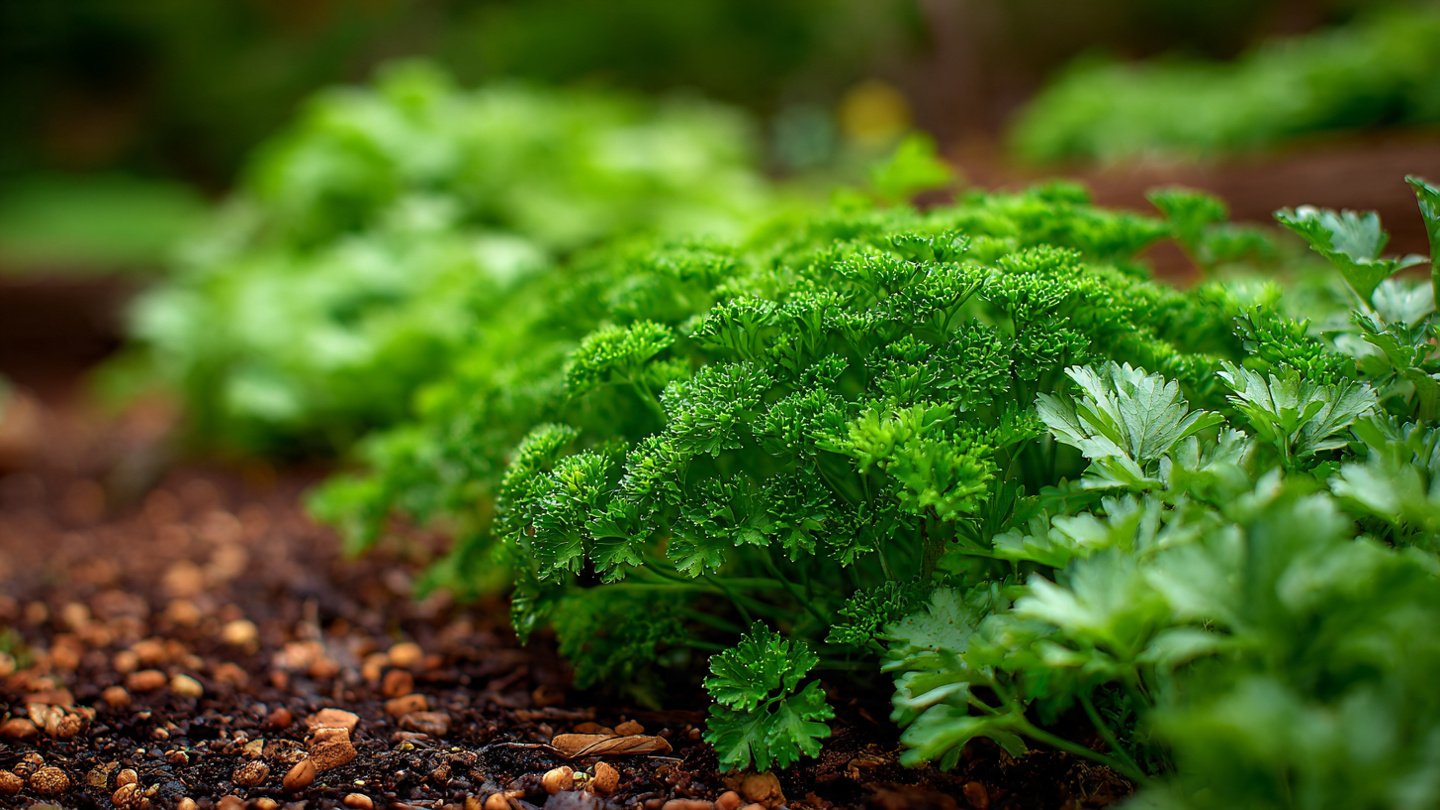
Growing your own herbs can be a rewarding experience, both for your culinary adventures and for nurturing a slice of nature in your home. Among the essential herbs to cultivate, parsley stands out for its versatility, vibrant flavor, and health benefits. However, many gardeners struggle with germinating parsley seeds, often finding them slow and erratic. In this article, we will discover an easy trick to effectively germinate parsley seeds, ensuring a thriving herb garden with minimal hassle.
Understanding Parsley
Parsley (Petroselinum crispum) is a biennial herb that is commonly used in various cuisines worldwide. Known for its fresh flavor and decorative appeal when used as a garnish, parsley is rich in vitamins A, C, and K, and is packed with antioxidants and essential oils that promote health.
Types of Parsley
- Curly Leaf Parsley: Often used for garnishing dishes, with a mild flavor.
- Flat Leaf Parsley (Italian Parsley): More flavorful and frequently used in cooking.
- Root Parsley: Grown for its edible taproot, commonly used in soups and stews.
Understanding these varieties will help you choose the right one for your garden.
The Challenge of Germinating Parsley Seeds
Parsley seeds have a reputation for being difficult to germinate. They have a relatively low germination rate and can take anywhere from 14 to 30 days to sprout. This slow germination is primarily due to:
- Seed Dormancy: Parsley seeds have a hard seed coat that needs to be broken down for the seed to sprout.
- Temperature and Moisture: Parley prefers certain temperature and moisture conditions for optimal growth.
- Planting Depth and Soil Quality: Proper planting depth and soil conditions are crucial for seed success.
Despite these challenges, several methods can enhance the germination process, leading to healthy and thriving plants.
The Ultimate Easy Trick: Pre-Soaking and Scarification
One of the best methods to improve germination rates and accelerate sprouting time is through pre-soaking and scarification. Here’s a step-by-step guide to utilizing this technique effectively.
Step 1: Gather Materials
- Parsley Seeds: Choose high-quality seeds, preferably organic.
- Warm Water: To soak the seeds.
- Sandpaper or a Nail File: For scarification.
- Planting Containers: Seed trays or small pots with drainage holes.
- High-Quality Potting Soil: Rich in organic matter.
Step 2: Pre-Soaking the Seeds
- Fill a Bow: Pour warm water into a bowl.
- Add Seeds: Place your parsley seeds into the warm water. Ensure that the seeds are fully submerged.
- Soak Time: Let the seeds soak for 12 to 24 hours. This soaking process helps to soften the hard seed coat and mimics natural rain conditions.
Step 3: Scarification
- Prepare Scarification Tool: Use sandpaper or a nail file.
- Lightly Sand the Seeds: Gently rub each seed with the sandpaper or file to create small scratches on the surface. Be cautious not to damage the seed too much.
- Rinse and Dry: After scarification, briefly rinse the seeds to remove any dust and let them dry for a few minutes.
Step 4: Planting the Seeds
- Prepare Containers: Fill your planting containers with high-quality potting soil, ensuring it’s moist but not waterlogged.
- Planting Depth: Create a shallow indentation, approximately ¼ inch deep, for each seed.
- Spacing: Space the seeds about 6 inches apart if planting in trays, allowing for easy transplantation later.
- Cover the Seeds: Gently cover the seeds with soil, patting it down lightly for good seed-soil contact.
Step 5: Watering
- Moisten the Soil: Use a spray bottle or a gentle watering can to mist the soil surface.
- Avoid Overwatering: Ensure the soil remains consistently moist but not soggy to prevent rot.
Step 6: Germination Conditions
-
Light and Heat: Place your containers in a warm spot with indirect sunlight. Ideally, a temperature between 70°F and 75°F (21°C to 24°C) is ideal for germination.
-
Humidity: Cover the containers with clear plastic or a humidity dome to retain moisture. Remove the cover once seedlings emerge to avoid mold issues.
Maintenance and Care
Thinning Seedlings
Once the seeds germinate and seedlings emerge (usually within 2 to 4 weeks), thin them out to ensure proper airflow and prevent overcrowding. Aim for about 6 to 8 inches of space between plants.
Watering
Continue to keep the soil moist but not soggy. As the seedlings grow, transition to deeper watering to encourage root growth.
Fertilization
After a few weeks, you can feed your parsley seedlings with a balanced, water-soluble fertilizer every few weeks, allowing for rich, lush growth.
Transplanting
If you started parsley in trays or small containers, you could transplant the seedlings to your herb garden or larger pots once they are around 4-6 inches tall and have at least two sets of true leaves.
When To Harvest
Parsley can be harvested once the plants have grown robustly, usually around 70-90 days after sowing. Cut the outer leaves and stems, allowing the inner ones to continue growing for ongoing harvests.
FAQs
1. How long does it take for parsley seeds to germinate?
Germination can take between 14 to 30 days, depending on conditions. Pre-soaking and scarification can accelerate this process.
2. Can I directly plant parsley seeds in the garden?
Yes, but optimal germination is achieved using the pre-soaking and scarification method outlined in this article.
3. How often should I water my parsley seedlings?
Water regularly, keeping the soil consistently moist but not soggy. As the plants grow, they will require deeper watering.
4. Does parsley need full sun or partial shade?
Parsley thrives in full sun but can tolerate partial shade, especially in hotter climates. Aim for at least 4-6 hours of sunlight per day.
5. What pests should I be aware of when growing parsley?
Common pests include aphids, spider mites, and whiteflies. Keeping the plants healthy and insects at bay can help in managing pests effectively.
6. Can parsley be grown indoors?
Yes, parsley can be grown indoors, given that it receives adequate light (possibly supplemented with grow lights) and humidity levels are maintained.
7. How do I encourage bushier growth in my parsley?
Regular harvesting, along with pinching back the stems, can encourage bushier growth and lead to a more productive plant.
8. What is the best season for planting parsley?
Parsley can be grown in spring or fall. It thrives in cooler temperatures, making it a great choice for staggered planting.
Conclusion
Germinating parsley seeds does not have to be a daunting task. By employing the easy trick of pre-soaking and scarification, you can significantly boost your chances of success, resulting in a flourishing herb garden. Whether used fresh in dishes or dried for winter use, your home-grown parsley will be a delightful addition to your culinary repertoire. Embrace this method, and soon you’ll enjoy the satisfaction of growing and harvesting your own herbs. Happy gardening!