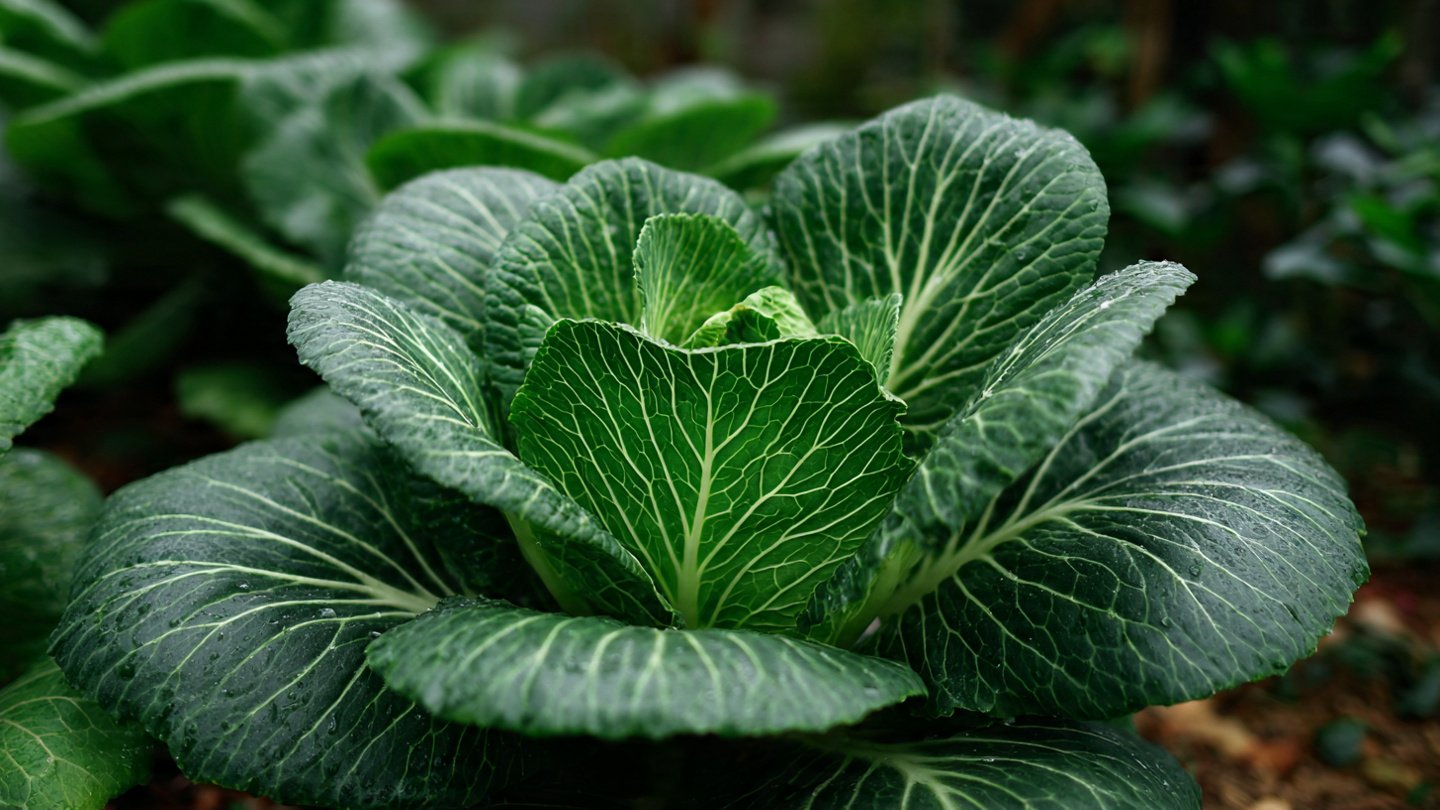
Chinese leaf cabbage, also known as Napa cabbage or Chinese cabbage, is a versatile leafy vegetable that can easily be grown in home gardens. Not only does it offer a delicious crunchy texture and a subtle flavor, but it also is packed with nutrients such as vitamins A and C, calcium, and iron. If you’re looking to add this nutritious vegetable to your garden, this guide will walk you through easy steps to successfully grow healthy Chinese leaf cabbage.
1. Choosing the Right Variety
Before diving into the cultivation steps, it’s important to choose the right variety of Chinese leaf cabbage. There are several different types, including:
- Napa Cabbage: This is the most common variety, known for its sweet flavor and tender leaves.
- Savoy Cabbage: Recognized by its crinkly leaves, savoy cabbage has a mild, sweet taste and is often used in stir-fries.
Consider which variety best fits your culinary preferences and local growing conditions.
2. Ideal Growing Conditions
2.1 Climate
Chinese leaf cabbage thrives in cooler climates. It is best planted in early spring or late summer to avoid the heat of mid-summer, which can cause the plants to bolt (produce flowers and seeds prematurely). The ideal temperature range for growing Chinese cabbage is between 55°F and 75°F (13°C to 24°C).
2.2 Soil
This vegetable prefers well-draining, fertile soil rich in organic matter. Aim for a pH level between 6.0 and 7.0. You can amend your soil with compost or well-rotted manure to enhance its fertility. Ensure your soil retains moisture without becoming waterlogged.
2.3 Sunlight
Chinese cabbage needs full sun for optimal growth. Aim for at least 6 hours of sunlight each day. If your garden has partial shade, make sure to select a site where the plants can still access sufficient light to prevent leggy growth.
3. Planting Seeds
3.1 Timing
- Spring Planting: Sow seeds indoors 4 to 6 weeks before the last frost date, or directly outdoors as soon as the soil can be worked.
- Fall Planting: Start seeds indoors in mid-summer for a fall harvest, transplanting outdoors when the seedlings are 4 to 6 weeks old.
3.2 Seed Depth and Spacing
- Sow seeds ¼ to ½ inch deep in rows spaced 18 to 24 inches apart.
- Thin seedlings to about 12 to 18 inches apart once they reach 3 to 4 inches in height. This allows for ample space for foliage to grow.
3.3 Watering
Water the seeds thoroughly after planting. Keep the soil consistently moist but not soggy. Using a light mulch can help retain moisture and suppress weeds.
4. Care and Maintenance
4.1 Watering
Chinese leaf cabbage requires regular watering, particularly during dry spells. Aim for about 1 inch of water per week, either through rainfall or supplemental irrigation. Water deeply to encourage strong root development.
4.2 Fertilization
Feed your plants with a balanced fertilizer after a month of growth. A nitrogen-rich fertilizer works well, but be cautious not to over-fertilize, as this can cause excessive leaf growth at the expense of head formation.
4.3 Pest and Disease Management
Be vigilant against common pests like aphids, flea beetles, and cabbage worms. Introduce beneficial insects like ladybugs or use an organic pest control method like neem oil. Crop rotation is essential to prevent diseases such as downy mildew and black rot.
4.4 Weeding
Weeds can compete for nutrients and water, so keep the area around your cabbages free of weeds. Hand-pulling or using a hoe is effective but be careful not to disturb the roots of your cabbage plants.
5. Harvesting
Chinese leaf cabbage is typically ready for harvest within 70 to 90 days after planting, depending on the variety. Harvest heads when they are firm and the leaves are brightly colored.
5.1 How to Harvest
- Cutting: Use a sharp knife to cut the cabbage at the base.
- Picking Leaves: Alternatively, you can pick individual outer leaves as needed, allowing the inner leaves to continue growing.
5.2 Storage
Store harvested cabbage in the refrigerator, where it can last for up to two weeks. For longer storage, consider blanching and freezing the leaves.
6. Cooking and Enjoying Chinese Leaf Cabbage
The sweet, mild flavor of Chinese cabbage makes it a versatile ingredient. It can be used in:
- Stir-fries
- Salads
- Soups
- Fermented dishes like kimchi
Experiment with various recipes to make the most out of your healthy harvest!
FAQs
1. Can I grow Chinese leaf cabbage in containers?
Yes, Chinese leaf cabbage can be grown in containers as long as they are deep enough (at least 12 inches) to accommodate the roots and provide adequate drainage.
2. How often should I water my Chinese cabbage?
Water your Chinese cabbage consistently, aiming for about 1 inch of water per week, either from rainfall or supplemental irrigation.
3. What are the signs that my Chinese cabbage is ready to harvest?
Chinese cabbage is ready to be harvested when the heads are firm and the leaves are vibrant in color. This usually occurs 70 to 90 days post-planting.
4. What should I do if my cabbage plants start to bolt?
If your plants begin to bolt, remove them immediately, as they will not produce edible heads. Ensure that your plants are getting enough water and consider planting again in a cooler season.
5. Can I grow Chinese cabbage alongside other vegetables?
Yes, Chinese cabbage can be grown alongside plants like carrots, radishes, and onions. Avoid planting it with other brassicas, as this can lead to increased pest and disease problems.
6. How do I prevent pests from damaging my Chinese cabbage?
To prevent pest damage, practice crop rotation, use row covers, and introduce beneficial insects such as ladybugs. Organic pesticides can also be an option if necessary.
7. Are there any companion plants for Chinese leaf cabbage?
Great companions include aromatic herbs like dill and basil, which can deter pests. Radishes and onions also work well as companions.
Conclusion
Growing Chinese leaf cabbage is a fulfilling endeavor that promises a bountiful, nutritious harvest. With the right conditions, care, and timely harvesting, you can enjoy the crisp texture and mild flavor of this versatile vegetable. So gather your gardening supplies, sow your seeds, and look forward to a delightful addition to your culinary creations! Happy gardening!