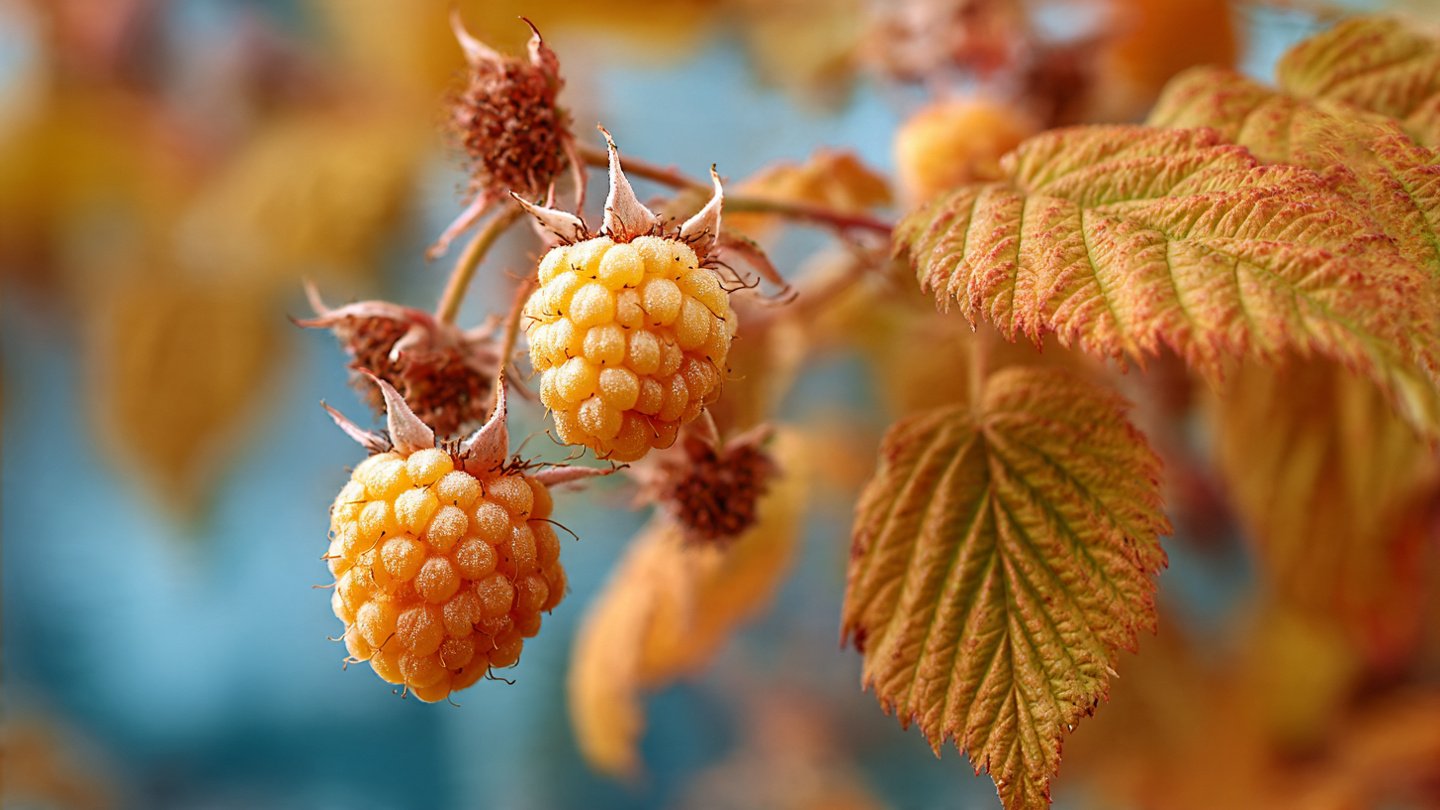
Raspberries are a delightful addition to any garden, and amongst their many varieties, Fall Gold raspberries stand out for their unique color and flavor. This comprehensive guide will provide you with all the necessary insights to cultivate Fall Gold raspberries successfully, particularly in the challenging Canadian climate.
Understanding Fall Gold Raspberries
Fall Gold raspberries, scientifically known as Rubus idaeus, are a cultivar that produces sweet, yellow to golden raspberries. They ripen in late summer to early fall, making them perfect for extending the berry harvest season. Their rich flavor and adaptability make them popular among home gardeners.
Benefits of Growing Fall Gold Raspberries
- Extended Harvest Season: Unlike traditional red raspberries, which primarily yield fruit in the summer, Fall Gold raspberries offer two harvest windows: one in the summer and another in the fall.
- Flavor: The flavor profile of these berries is often described as sweeter and less tart than their red counterparts.
- Versatility: They can be eaten fresh, used in jams, or incorporated into various culinary dishes.
Choosing the Right Location
Sunlight Requirements
Fall Gold raspberries thrive in full sunlight. Aim for a location that gets at least 6 to 8 hours of direct sunlight daily. This exposure enhances the berry’s flavor and ensures a bountiful yield.
Soil Conditions
The ideal soil for raspberries is well-drained, fertile, and slightly acidic (pH between 5.5 and 6.8). Heavy clay or overly sandy soils can inhibit root growth and nutrient absorption.
Drainage
Good drainage is crucial to prevent root rot. Raised beds or mounding can improve drainage, especially in areas with clay soil. Regularly amend the soil with organic matter like compost to enhance its fertility and structure.
Planting Fall Gold Raspberries
Ideal Planting Time
In Canada, spring is the best time to plant your Fall Gold raspberries. Aim for mid to late April when the soil has thawed but before the plants break dormancy.
Planting Method
-
Spacing: Space your raspberry plants about 18 to 24 inches apart in rows that are 5 to 6 feet apart. This spacing encourages adequate air circulation and reduces the risk of fungal diseases.
-
Planting Depth: Dig a hole slightly larger than the root system. Plant the raspberry canes so that the crown (where the roots meet the stem) is level with the soil surface.
-
Watering: After planting, thoroughly water the plants to settle the soil around the roots.
Caring for Your Fall Gold Raspberries
Watering
Raspberries require consistent moisture, especially during the fruiting period. Aim for 1 to 1.5 inches of water per week. Irrigate deeply but infrequently to encourage deep root growth.
Fertilization
Incorporate a balanced, slow-release fertilizer at planting time. Afterward, supplement with compost or well-rotted manure in the spring and again after the fall harvest to feed the plants for the next growing season.
Pruning
Pruning is essential for maintaining healthy plants and maximizing yield. Follow these steps:
-
After Dormancy: In early spring, before new growth emerges, prune any damaged or dead canes.
-
Summer Pruning: After the summer harvest, trim back the canes that produced fruit. For a fall harvest, cut the canes down to about 4-6 inches above ground.
-
Fall Pruning: Post-harvest, cut the remaining canes to ground level if you prefer an annual crop. If you want two harvests, leave the canes that haven’t fruited in the ground.
Pest and Disease Management
-
Common Pests: Watch out for aphids, spider mites, and fruit flies. Regularly inspect your plants and apply insecticidal soap or neem oil as needed.
-
Diseases: Fungal diseases such as powdery mildew and root rot can be problematic. Ensure good air circulation through pruning and avoid overhead watering to minimize fungal growth.
Preparing for Winter
As the Canadian winter approaches, proper preparations are crucial for the survival of Fall Gold raspberries.
-
Mulching: Apply a thick layer of mulch (straw, wood chips, or leaves) around the base of the plants to insulate the roots and maintain soil moisture.
-
Protection: In particularly harsh regions, you may need to cover the raspberry plants with a burlap sack or frost blanket to protect them from extreme cold and wind.
-
Pruning: Finish your fall pruning before the first frost hits. While Fall Gold raspberries are hardy, minimizing stress on the plants can improve their survival chances.
Harvesting Fall Gold Raspberries
Harvesting typically begins in late summer and extends through the fall. Berries are ready to harvest when they easily separate from the plant and have a uniform golden color.
-
Checking Ripeness: Look for plump, firm berries, and perform a taste test to ensure they are sweet before harvesting.
-
Using Care: Gently twist or cut the berries from the plant to prevent damage.
-
Storage: Freshly harvested raspberries can be stored in the refrigerator for up to a week. For longer storage, consider freezing them immediately after harvest.
Common Challenges
Cold Weather
While Fall Gold raspberries are hardy, young plants may struggle in their first winter. Provide adequate mulch and, if possible, plant them in a location that receives some shelter from harsh winds.
Soil Quality
If you notice poor growth or disease issues, consider conducting a soil test. Adjusting soil pH and nutrient levels can significantly affect plant health and yield.
Disease and Pest Resistance
Regular monitoring of plants is essential for catching issues early. Employing crop rotation and companion planting can minimize disease and pest infestations.
Frequently Asked Questions (FAQs)
Q1: Can I grow Fall Gold raspberries in shady areas?
A: While Fall Gold raspberries prefer full sun, they can tolerate partial shade. However, this may impact the yield and flavor of the berries.
Q2: How long will it take before my Fall Gold raspberries bear fruit?
A: Typically, you can expect fruiting within the first year of planting, although full production may take up to 2 or 3 years.
Q3: Do I need two different plants for pollination?
A: Fall Gold raspberries are self-pollinating, so you only need one plant for it to produce fruit.
Q4: How do I know when to prune my raspberries?
A: Prune your raspberries in early spring before new growth begins and after the fall harvest for canes that fruited.
Q5: Are Fall Gold raspberries resistant to diseases?
A: While they have some resistance to common pests, it is crucial to manage potential diseases through good cultural practices, such as regular pruning and ensuring adequate airflow.
Q6: What tools will I need for planting and caring for my raspberries?
A: Basic gardening tools such as gloves, a spade or trowel, pruning shears, and a watering can or hose will suffice.
Conclusion
Cultivating Fall Gold raspberries in a Canadian climate is a rewarding venture that can yield delicious results. By understanding their specific needs regarding sunlight, soil, and care, gardeners can enjoy abundant harvests over an extended season. With proper attention to pests, diseases, and winter readiness, Fall Gold raspberries can thrive and become a beloved feature of your home garden for years to come. Happy gardening!