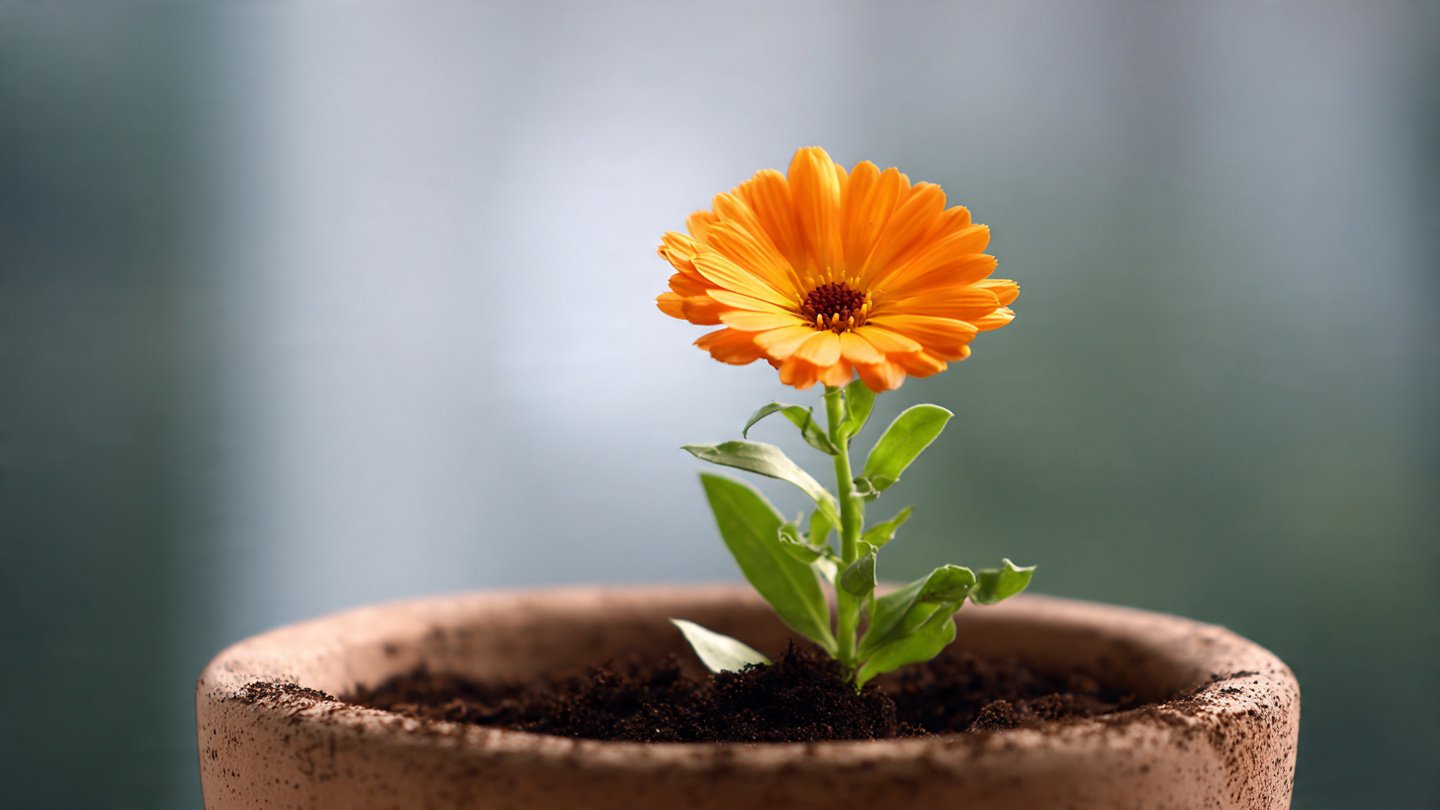
Calendula, commonly known as pot marigold, is a versatile and beautiful flowering plant that offers a plethora of benefits for gardeners and herbal enthusiasts alike. With its vibrant orange and yellow blooms, pot calendula is not only aesthetically pleasing but also functional, with applications in herbal medicine, skincare, and cooking. This guide will take you through the entire process of growing pot calendula at home from seed to harvest, along with tips, care requirements, and a FAQ section to quench your curiosity.
Section 1: Understanding Calendula
1.1 What is Pot Calendula?
Pot calendula (Calendula officinalis) is an annual flower native to Europe and the Mediterranean. Its bright flowers attract bees, butterflies, and other beneficial insects, making it an excellent addition to pollinator gardens. Additionally, pot calendula is edible and has been used in traditional medicine for its anti-inflammatory, antibacterial, and skin-healing properties.
1.2 Varieties of Calendula
There are several varieties of calendula, with the most commonly grown being:
- Calendula officinalis ‘Orange King’: Known for its vibrant orange blooms.
- Calendula officinalis ‘Golden Gully’: A dwarf variety that produces double flowers.
- Calendula officinalis ‘Snow Princess’: A white-flowered variety that adds a soft touch to gardens.
Choose a variety that best suits your garden aesthetic and purpose.
Section 2: Getting Started with Seeds
2.1 Where to Buy Calendula Seeds
Calendula seeds can be found at local garden centers, nurseries, or online retailers. Ensure you purchase from reputable sources to guarantee seed quality.
2.2 Seed Selection
When choosing seeds, consider whether you want heirloom seeds, which often have a richer flavor and historical significance; hybrid seeds, which may offer disease resistance; or organic seeds, which are grown without synthetic fertilizers or pesticides.
2.3 Preparing for Planting
To grow pot calendula, you’ll need:
- Containers or Garden Beds: Choose pots with drainage holes for container gardening or prepare your garden beds. Calendula can thrive in a variety of settings.
- Potting Mix: A well-draining potting mix is essential. You can also add compost for added nutrients.
- Watering Can: For consistent moisture during seed germination and growth.
Section 3: Planting Calendula
3.1 When to Plant
Calendula enjoys cooler temperatures, so it’s best to plant seeds in early spring or fall. In colder regions, you may start seeds indoors 6-8 weeks before the last frost date.
3.2 How to Plant
- Sow Seeds: Plant seeds about ¼ inch deep, spacing them 12 inches apart in rows. If using containers, sow two seeds per pot.
- Watering: Lightly water the soil after planting to ensure it’s moist but not soggy.
- Light Requirements: Place the seeds in a location that receives full sun (at least 6 hours of direct sunlight) for optimal growth.
3.3 Germination Process
Seeds will germinate within 7-14 days. During this period, keep the soil consistently moist, ensuring it doesn’t dry out completely.
Section 4: Caring for Your Calendula Plants
4.1 Watering
Calendula prefers consistently moist soil. Water regularly, particularly during dry spells. Ensure pots have proper drainage to prevent waterlogging, which can lead to root rot.
4.2 Fertilization
Calendula is not overly demanding in terms of nutrients. A light application of a balanced, organic fertilizer every 4-6 weeks should suffice for container plants. For garden beds, incorporating compost into the soil before planting will provide enough nutrients.
4.3 Pest and Disease Management
While calendula is relatively hardy, it can be susceptible to pests such as aphids and spider mites. Here are some tips to manage these risks:
- Inspect Regularly: Check under leaves and around flowers for any signs of pests.
- Natural Remedies: Use a mixture of water and soap spray to get rid of pest infestations. Neem oil is another effective organic solution.
- Companion Planting: Plant calendula alongside other plants like tomatoes or peppers to deter pests naturally.
4.4 Deadheading and Pruning
To encourage continuous blooming, regularly deadhead your calendula by removing spent flowers. This practice redirects the plant’s energy into producing new blooms instead of seed production.
Section 5: Harvesting Calendula
5.1 When to Harvest
You can begin to harvest calendula flowers once they are fully open. This usually occurs about 8-10 weeks after planting.
5.2 How to Harvest
- Cutting Flowers: Use sharp scissors or garden shears to snip the flowers at their base, just above the leaves.
- Early Morning Harvest: The best time to harvest is early in the morning when the flowers are still fresh and moist.
5.3 Drying Calendula Flowers
To preserve calendula for later use:
- Air Dry: Tie small bunches and hang them upside down in a dark, dry place with good airflow.
- Storage: Once fully dried (which takes about 1-2 weeks), store in an airtight container in a cool, dark place.
Section 6: Uses for Calendula
6.1 Culinary Uses
Calendula petals can brighten up salads, add flavor to soups, or create vibrant herbal teas. Always ensure the flowers are free from pesticides or chemicals before consumption.
6.2 Medicinal Uses
Calendula has anti-inflammatory and antiseptic properties. It’s popularly used in:
- Skin Healing Ointments: Helps soothe cuts, burns, and irritations.
- Teas: May aid in digestion and boost immunity.
6.3 Cosmetic Uses
Calendula oils and extracts are commonly found in skincare products for their soothing and healing properties. You can create your own calendula-infused oil at home by steeping fresh flowers in a carrier oil.
FAQs
1. Can I grow calendula indoors?
Yes, calendula can be grown indoors as long as it receives enough sunlight (6 hours of direct light). Choose pots and ensure proper drainage.
2. How often should I water my calendula plants?
Water calendula regularly to keep the soil consistently moist. The frequency will depend on your climate; typically, once or twice a week is sufficient.
3. What pests affect calendula?
Common pests include aphids and spider mites. Monitor your plants regularly and use organic insecticides if needed.
4. How can I promote continuous blooming?
Deadheading spent flowers encourages more blooms, as it prevents the plant from focusing on seed production.
5. Is calendula safe for pets?
Calendula is generally considered non-toxic to pets, but it’s always best to monitor your pets’ behavior around any plant, especially if ingested in large quantities.
6. When should I expect my calendula to bloom?
Typically, calendula will begin to bloom about 8-10 weeks after planting.
7. Can I save seeds from my calendula plants?
Yes, you can collect seeds from spent flowers in late summer to plant for next year.
8. What is the best way to store harvested flowers?
Store dried flowers in airtight containers, kept in a cool, dark place to maintain their potency and color.
Conclusion
Growing pot calendula at home is not just about enhancing your garden; it’s about creating a space filled with beauty and utility. By following this comprehensive guide, you will ensure a successful growing season, yielding vibrant flowers that enhance your culinary dishes, home remedies, and skin treatments. Happy planting!