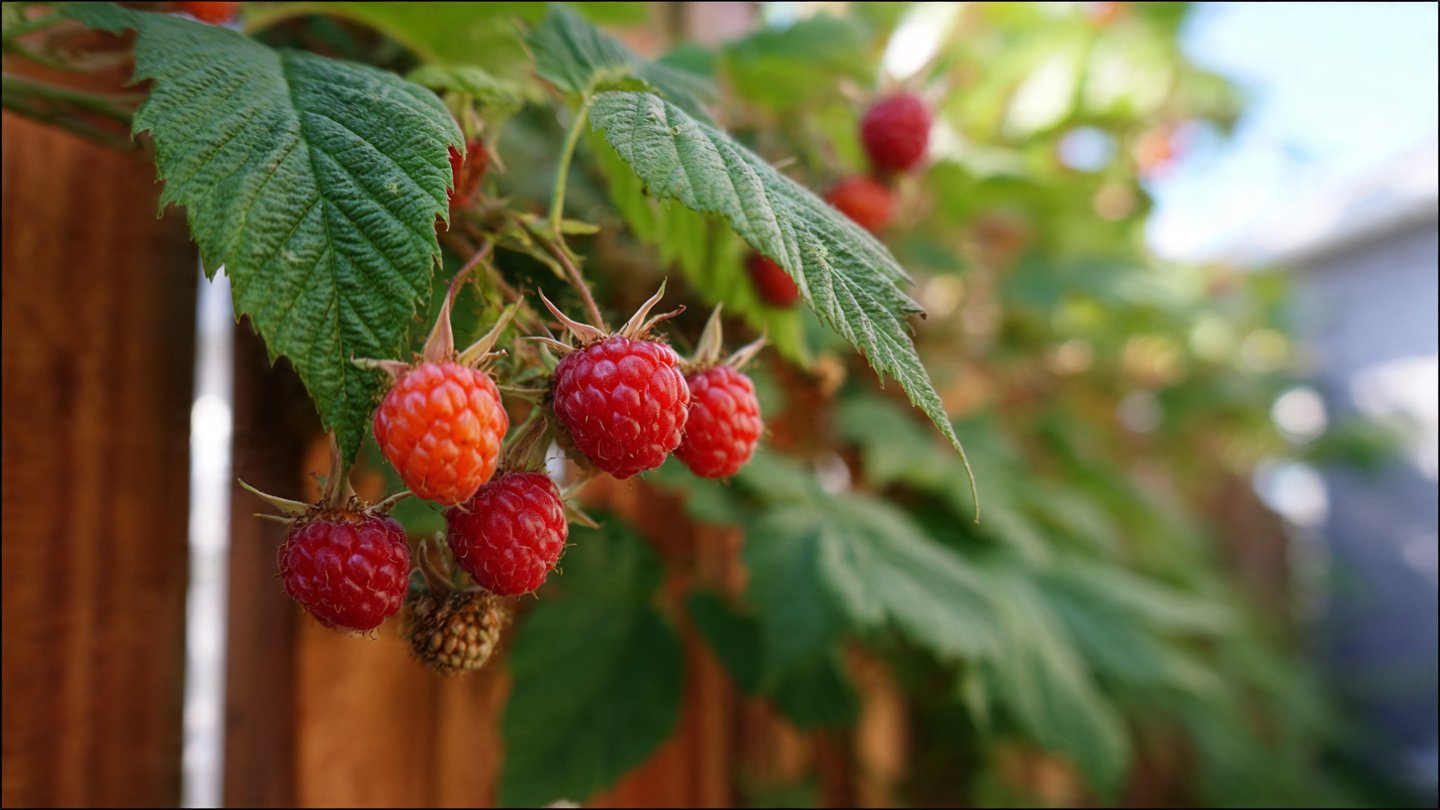
Growing your own Red River raspberries can be a rewarding experience, rewarding you with sweet, juicy fruit straight from your backyard. Known for their hardiness and rich flavor, Red River raspberries are ideal for home gardeners. In this comprehensive guide, we’ll explore everything you need to know about cultivating these delightful berries—from growing requirements and planting techniques to maintenance and harvesting.
Table of Contents
- Understanding Red River Raspberries
- Ideal Growing Conditions
- Soil Preparation
- Planting Red River Raspberries
- Watering and Fertilizing
- Pruning and Maintenance
- Pest and Disease Management
- Harvesting Red River Raspberries
- FAQs
1. Understanding Red River Raspberries
Red River raspberries (Rubus idaeus) are often praised for their ability to withstand harsh weather conditions, making them a popular choice for home gardens in northern climates. They produce medium-sized, highly flavorful red berries that ripen in mid to late summer. Their adaptability to various soil types and resilience makes them suitable for a variety of gardening situations, from containers to traditional garden beds.
2. Ideal Growing Conditions
Climate: Red River raspberries thrive in USDA hardiness zones 3 to 7. They prefer cool to mild summers, as extreme heat can adversely affect fruit quality.
Sunlight: Aim for at least six hours of direct sunlight per day. Raspberry plants need this exposure for healthy growth and fruit production.
Temperature: Ideally, daytime temperatures should range from 70°F to 85°F. At night, temperatures should not dip below 25°F during the flowering stage, as frost can damage blossoms.
3. Soil Preparation
Soil Type: Raspberries prefer well-drained loamy soil rich in organic matter. Heavy clay or sandy soils can hinder growth.
pH Level: Aim for a slightly acidic to neutral pH level, between 5.5 and 6.8. Test your soil and amend accordingly.
Amending Soil: Work in compost or aged manure to enhance soil fertility. This organic material will support healthy growth and improve soil structure.
Drainage: Ensure good drainage to prevent root rot. If your soil retains too much moisture, consider building raised beds or including materials such as sand or perlite to improve drainage.
4. Planting Red River Raspberries
Choosing Your Plants: Purchase healthy, disease-free plants from a reputable nursery. Bare-root plants should have firm roots, while potted plants should be well-watered and free of pests.
Planting Time: Ideally, plant your Red River raspberries in early spring as soon as the soil is workable. In some regions, fall planting is also possible.
Spacing: Space plants 2-3 feet apart in rows that are 6-8 feet apart. This allows for adequate airflow and reduces the likelihood of disease.
Depth: Plant the Raspberry bushes so that the crown is slightly above the soil level. This encourages vigorous growth.
5. Watering and Fertilizing
Watering: Raspberries require consistent moisture, especially during the fruiting stage. Water deeply once a week, giving about an inch of water at a time. Avoid overhead watering to decrease the risk of fungal diseases.
Fertilizing: Early in the growing season, apply a balanced fertilizer high in nitrogen (like a 10-10-10 formula) to promote foliage growth. Side-dress with compost several weeks later for added nutrients. Avoid excessive nitrogen to prevent weak, leafy growth that may not produce many fruits.
6. Pruning and Maintenance
When to Prune: Pruning typically occurs in late winter or early spring before new growth begins.
How to Prune:
- Summer-Bearing Varieties: Cut canes that fruited in the previous year down to the ground. Retain younger canes for future fruiting.
- Fall-Bearing Varieties: You can prune these similarly to summer-bearing raspberries or choose to cut all canes down each fall for a single large harvest.
Mulching: Apply a layer of organic mulch around the base of the plants to conserve moisture, suppress weeds, and maintain soil temperature.
7. Pest and Disease Management
Raspberry plants can face several pests and diseases, including:
Common Pests:
- Japanese Beetles: Handpick pests off plants or use insecticidal soap.
- Spider Mites: Regular watering and maintaining high humidity can deter these pests.
Common Diseases:
- Powdery Mildew: Improve airflow by proper spacing and pruning. Use sulfur-based treatments if necessary.
- Root Rot: Ensure soil is well-draining to prevent this issue.
8. Harvesting Red River Raspberries
Timing: Raspberries are typically ready for harvest when they have turned a deep red color and easily pull away from the stem. This usually occurs in mid to late summer.
Techniques: Harvest in the morning when temperatures are cooler for optimal flavor. Gently grasp the berry and twist or wiggle it free to avoid damaging the plant.
Storage: Raspberries are delicate and should be consumed quickly. If you need to store them, refrigerate in a single layer in a shallow container for up to 5 days. Alternatively, freeze them on a baking sheet before transferring them to freezer-safe bags for longer storage.
9. FAQs
Q1: How long does it take for Red River raspberries to bear fruit?
A: Typically, Red River raspberries will bear fruit in their second year of growth after planting.
Q2: Can I grow Red River raspberries in pots?
A: Yes, Red River raspberries can be grown in large containers (at least 5 gallons) filled with well-draining potting mix. Ensure plenty of sunlight and regular watering.
Q3: Should I apply pesticides?
A: Avoid pesticides if possible, opting for organic solutions. Introduce beneficial insects and use non-chemical methods to manage pests.
Q4: Can I propagate Red River raspberries?
A: Yes, they can be propagated through division or by taking cuttings. Root divisions in early spring are an excellent way to expand your raspberry patch.
Q5: What other plants grow well alongside raspberries?
A: Companions such as garlic, chives, and marigolds can help repel pests and promote healthier growth.
Q6: Do Red River raspberries need support?
A: Though not as sprawling as some varieties, using a trellis or support system can help keep canes upright, improving air circulation and fruit yield.
Conclusion
Growing Red River raspberries in your backyard is not just an enjoyable gardening project; it can provide you with bountiful harvests of delicious, nutritious fruit. With the right conditions, soil preparation, and maintenance techniques, you’ll be well on your way to creating a thriving raspberry patch. Remember, patience is key, and soon you’ll be indulging in your very own sweet harvest!