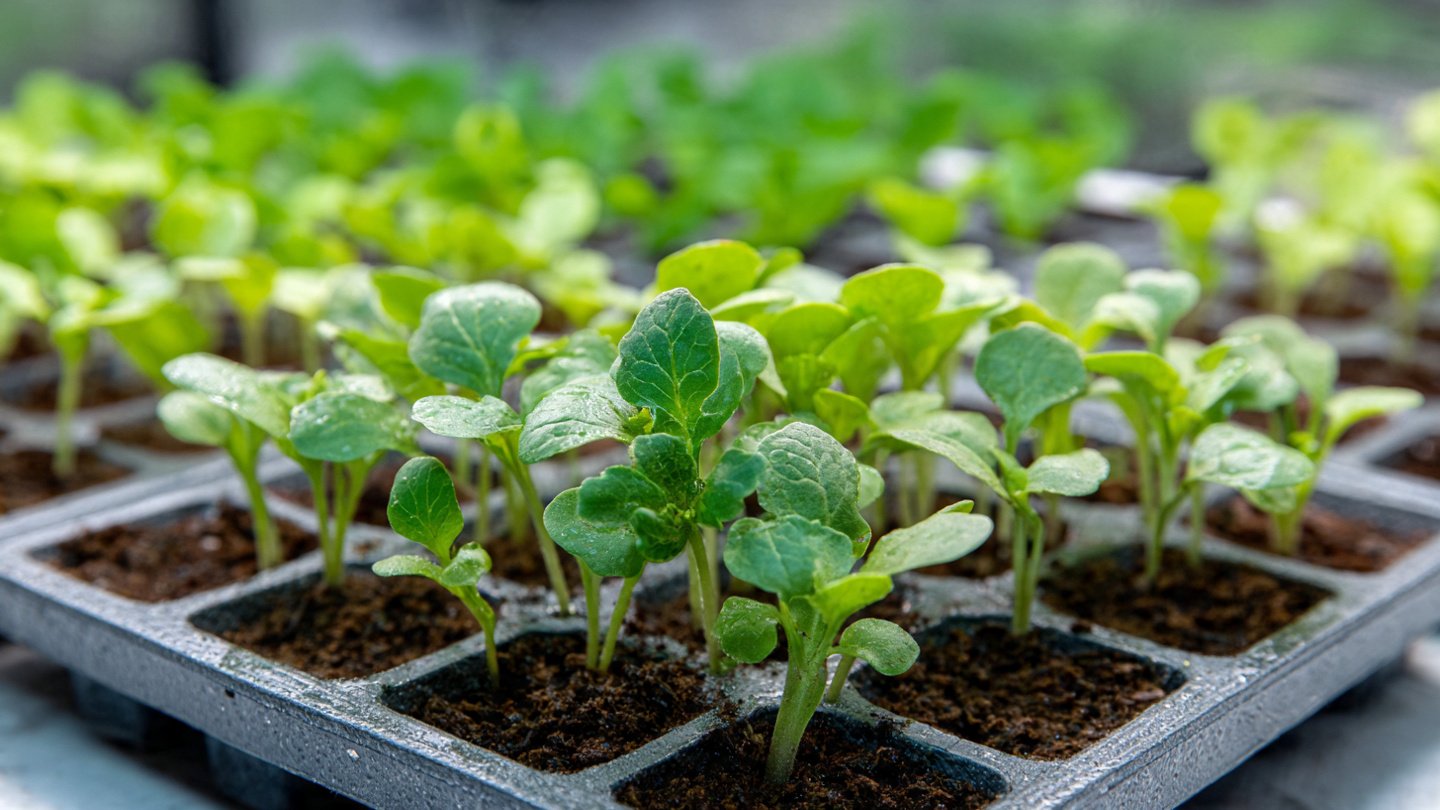
Growing arugula baby greens in trays at home is an incredibly rewarding experience that not only brings a burst of flavor to your meals but also enhances your gardening skills. This article will guide you through every aspect of growing arugula—from seed selection to harvesting—helping you maximize your yield while ensuring a delicious result.
Understanding Arugula
What is Arugula?
Arugula (Eruca sativa), also known as rocket or roquette, is a leafy green vegetable belonging to the brassica family. Its peppery flavor makes it a popular choice in salads, sandwiches, and pasta dishes. Arugula is a cool-season crop, thriving in spring and fall, making it an excellent choice for home gardeners.
Nutritional Benefits
Arugula is rich in vitamins A, C, and K, and it is packed with antioxidants. Its unique flavor profile contains compounds that may help reduce inflammation and promote heart health.
Choosing the Right Seeds
Seed Selection
When selecting seeds, opt for high-quality, organic arugula seeds. Look for varieties known for their fast growth and peppery flavor, such as ‘Astro,’ ‘Sylvetta,’ or ‘Rocket.’ Each of these varieties offers a distinct taste, with Sylvetta being slightly more robust.
Sourcing Seeds
You can purchase seeds from local garden centers, online retailers, or seed exchanges. Always check for freshness and viability dates to ensure optimal germination rates.
Materials Needed
Growing Trays
Invest in good-quality seed trays or shallow containers that are at least 2 to 4 inches deep. Ensure they have drainage holes to prevent waterlogging, which could harm your plants.
Soil Mix
Use a high-quality seed-starting mix that is light and sterile. A blend of peat moss, vermiculite, and perlite is ideal for providing the right balance of aeration and moisture retention.
Lighting
If you’re growing indoors, consider using grow lights that mimic natural sunlight. Full-spectrum lights are ideal, as they provide the necessary wavelengths for plant growth.
Watering Tools
A fine mist spray bottle can help control moisture without disturbing the seeds. Additionally, a watering can with a narrow spout allows for easy watering without oversaturating the soil.
Sowing Seeds
Timing
Arugula seeds should be sown in trays about 4 to 6 weeks before the last frost date in your area. Ideal temperatures for germination range from 60°F to 72°F.
Seed Depth and Spacing
Sow the seeds shallowly—about ¼ inch deep—spreading them evenly across the surface. Space them about 1 inch apart to allow for proper growth. You can thin the seedlings later if necessary.
Watering
After sowing, gently mist the surface with water to moisten the soil. Continue to keep the soil consistently moist but not soggy.
Providing Optimal Conditions
Light Requirements
Arugula prefers full sun but can thrive in partial shade as well. Ensure that your trays get at least 12–16 hours of light per day. If using grow lights, place them 2–4 inches above the seedlings, adjusting as they grow.
Temperature Control
Arugula grows best in cooler temperatures (60°F to 65°F). If you’re growing outdoors, consider using shade cloth during hot weather to prevent bolting.
Air Circulation
Good air circulation helps prevent diseases like mold. If you’re growing indoors, a small fan can help circulate air around your seedlings and strengthen their stems.
Watering and Fertilization
Watering Techniques
Water with a fine mist to prevent disturbing the seeds. As they grow, switch to watering at the base to avoid fungal issues. Pour water until it seeps through the drainage holes, ensuring that the roots are getting enough moisture.
Fertilizing
Since arugula grows quickly, it may not need much fertilization if your soil is rich. However, using a diluted liquid fertilizer once every two weeks can boost growth. Look for fertilizers with balanced N-P-K (nitrogen, phosphorus, and potassium) ratios.
Thinning Seedlings
As your arugula baby greens grow, you may find that some plants are competing with each other for space. Thin the seedlings when they reach about 2 inches in height, leaving the strongest plants to thrive. Aim for a spacing of 3–4 inches apart.
Pest and Disease Management
Common Pests
Some common pests include aphids and flea beetles. Use organic pest control methods, such as insecticidal soap or neem oil, to manage infestations. Regularly inspecting your plants will help catch issues early.
Disease Prevention
To prevent diseases, avoid overhead watering, ensure proper air circulation, and practice crop rotation if you plan to grow arugula multiple times a year. Remove any diseased plants immediately to avoid spreading.
Harvesting Arugula Baby Greens
When to Harvest
Arugula baby greens can be harvested as soon as they reach about 2–4 inches in height, typically 20–30 days after sowing. The leaves should be tender and brightly colored.
Harvesting Techniques
Use scissors or sharp shears to cut the leaves, leaving about an inch above the soil to encourage regrowth. Avoid pulling plants out of the soil to prevent damage to the roots of remaining plants.
Post-Harvest Care
After harvesting, wash the greens gently in cold water and store them in a damp paper towel inside a plastic bag in the refrigerator. Proper storage can extend their shelf life for several days.
Tips for Success
- Rotate Crops: Avoid planting arugula in the same soil too frequently to prevent soil-borne diseases.
- Practice Companion Planting: Plant arugula with other fast-growing crops like radishes or herbs to maximize space.
- Grow Successively: For a continuous supply, stagger your sowing every couple of weeks.
FAQs
1. How often should I water arugula?
Water your arugula lightly but consistently, aiming to keep the soil moist without making it soggy.
2. Can I grow arugula indoors?
Yes! Ensure you provide sufficient light and maintain indoor temperatures between 60°F and 70°F for best results.
3. How long does it take to grow arugula?
Typically, arugula takes about 20–30 days from sowing to harvest, depending on the variety and growing conditions.
4. Is arugula frost-tolerant?
Yes, arugula is frost-tolerant, making it suitable for early spring and late fall planting.
5. What should I do if my arugula begins to bolt?
If your arugula bolts (produces flowers and seeds), the leaves may become bitter. Harvest immediately and consider planting a new batch in cooler weather.
6. How can I store harvested arugula?
Store harvested arugula in a damp paper towel inside a plastic bag and keep it in the refrigerator for optimal freshness.
Conclusion
Growing arugula baby greens in trays at home is a simple, enjoyable, and immensely satisfying endeavor. With the right seeds, proper care, and attention to detail, you can enjoy fresh, peppery greens that enhance your culinary creations. Whether you are a gardening novice or an expert, arugula is a fantastic addition to your home garden, promising health benefits and a delightful culinary experience. Happy gardening!