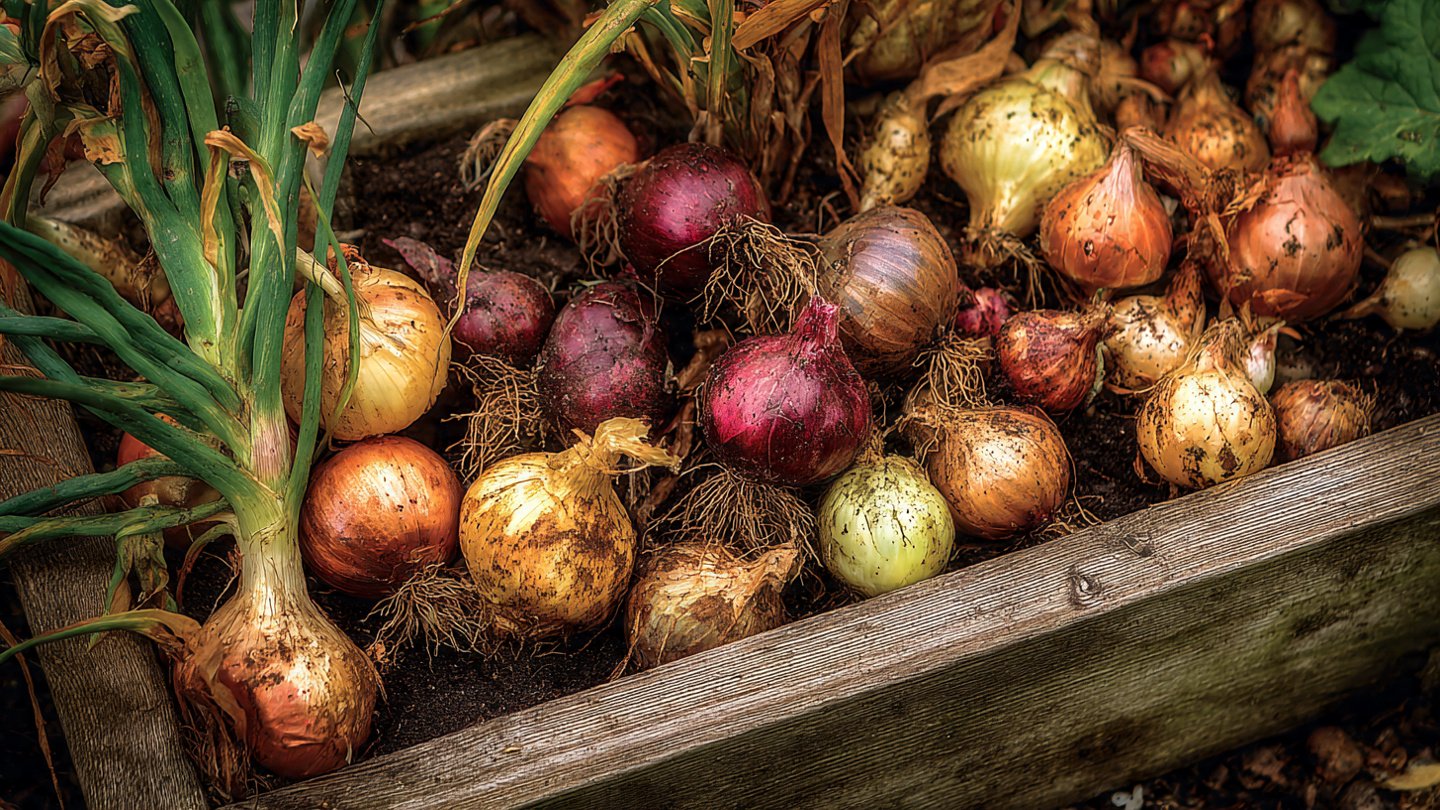
Growing onions can elevate your gardening game, enabling you to enjoy fresh, home-grown produce right from your backyard. Among the various techniques available, multiplying onion bulbs effectively can ensure a robust supply for cooking, curing, and more. This comprehensive guide will explore the ultimate methods of multiplying onion bulbs, ensuring that you have all the information you need for a thriving garden experience.
Understanding Onion Varieties
Before diving into the methods of multiplication, it’s crucial to understand the different varieties of onions you might consider for growing:
- Yellow Onions: Known for their robust and slightly sweet flavor, yellow onions are versatile and commonly used in various dishes.
- Red Onions: These are sweeter, making them great for salads and sandwiches.
- White Onions: Mild in flavor, they are excellent for cooking and can be used raw in salsas.
- Green Onions: Also known as scallions, these are harvested early and add a fresh flavor to dishes.
Understanding these varieties helps in selecting the right onion for multiplication, depending on your taste preferences and culinary needs.
Why Multiply Onion Bulbs?
Multiplying onion bulbs provides numerous benefits:
- Cost-Effective: Purchasing seeds can be more expensive than reusing bulbs you already have.
- Adaptation: Bulbs adapted to your local climate are likely to perform better.
- Continuous Supply: Multiplying ensures a steady supply of fresh onions throughout the growing season.
Methods to Multiply Onion Bulbs
Let’s explore the various techniques to multiply onion bulbs efficiently.
1. Bulb Division
Bulb division is one of the simplest and most effective methods for multiplying onion bulbs. Here’s how to do it:
- Select Healthy Bulbs: Choose mature, healthy bulbs that are large and firm.
- Prepare Them: A few weeks before you plan to plant, gently remove the bulbs from the soil and allow them to dry. If they are too wet, they are susceptible to rotting.
- Divide the Bulbs: Once dried, you can slice each bulb horizontally into sections, ensuring that each section has at least one viable bud. Each section will grow into a new onion plant.
- Planting: Plant the sections in well-drained soil, spacing them about 4-6 inches apart, and cover them with 1-2 inches of soil.
2. Use of Sets
Onion sets are small, immature bulbs that are harvested early and can be easily planted to yield new onions. This method is particularly popular because:
- Quality: Sets are less prone to disease than seeds and can be planted directly into the garden.
- Hardiness: Onion sets are generally hardier and more adaptable to various soil types and conditions.
Steps to Use Onion Sets:
- Purchase high-quality onion sets from a reputable store.
- Space them about 4-6 inches apart in rows that are 12-18 inches apart.
- Bury each set about 1 inch deep, ensuring the pointed end is facing up.
Onion sets usually produce bulbs more quickly than seeds, allowing for an earlier harvest.
3. Seed Multiplication
Although more labor-intensive, growing onions from seed can be a rewarding experience. Here’s a guide to do it efficiently:
- Select Seeds: Choose high-quality seeds specific to the onion type you want to grow.
- Sowing: Start seeds indoors 10-12 weeks before the last frost date. Use seed trays filled with seed-starting mix, and plant seeds about ¼ inch deep.
- Transplanting: Once seedlings are 4-6 inches tall, they can be transplanted outdoors after hardening off. Space them as described in the sets section.
Growing from seeds can require some patience, but it allows access to different heirloom varieties not usually found as bulbs or sets.
4. Transplanting Seedlings
If you have existing onion plants, you can easily multiply them by transplanting seedlings:
- Early Seedling Preparation: Start your seeds indoors as mentioned above.
- Transplanting: Once the seedlings have their first true leaves, they are ready for transplanting outdoors. Space them correctly in well-prepped soil.
This method allows for a higher yield, as you’ll grow several new plants from the seedlings of one mature onion.
5. Networking with Neighboring Gardens
Multiplying your onion bulbs can also involve trading or sharing with fellow gardeners. Here’s how:
- Exchange Bulbs: Connect with friends or local gardening communities to exchange onion bulbs or sets.
- Local Gardening Groups: Participate in local gardening events and share the knowledge and resources.
Networking can introduce you to new varieties and growing techniques, helping you make the most of your garden.
Caring for Your Onions
Regardless of the method you choose for multiplying onion bulbs, proper care is essential for a thriving yield. Consider the following tips:
- Soil Quality: Onions thrive in loose, well-drained soil with a pH of 6.0 to 6.8.
- Watering: Provide consistent moisture, watering deeply every 7-10 days. Onion bulbs need plenty of water during the growing season, especially when they are forming.
- Fertilizing: Feed onions with a nitrogen-rich fertilizer every 4-6 weeks throughout their growing season.
- Weed Control: Regularly check for weeds, which can compete for nutrients and water.
- Pest Management: Keep an eye out for pests such as onion maggots or thrips. Utilizing natural or organic deterrents can safeguard your crop.
Harvesting Your Onions
Timing is everything when it comes to harvesting onions:
- For bulb onions, pull them out of the ground when the tops begin to yellow and fall over. This usually occurs in mid to late summer, depending on the variety and planting time.
- Harvesting Green Onions can be done at any stage, but full growth is recommended for maximum flavor.
FAQs
1. What is the best time to plant onions?
The best time to plant onions is in early spring, after the last frost. However, in some regions, fall planting is also advisable.
2. How do I know when to harvest onions?
Onions are ready to harvest when the tops begin to yellow and flop over. This usually indicates the bulbs have matured.
3. Can I grow onions from store-bought bulbs?
Yes, you can grow onions from store-bought bulbs, but ensure that they are healthy and not treated with growth inhibitors.
4. How many onions can I grow in a small garden?
It depends on the spacing and variety, but generally, you can grow about 16-20 onions per square foot.
5. What diseases should I watch for in my onion plants?
Common diseases include downy mildew, white rot, and onion thrips. Proper crop rotation and organic treatments can help manage these issues.
6. How long does it take for onions to grow?
Onion growth time varies by type but typically takes about 90-120 days from planting to harvest.
Conclusion
Multiplying onion bulbs can be an incredibly rewarding gardening endeavor. Through various methods, you can ensure a plentiful supply of this versatile vegetable, contributing to both your kitchen and garden landscape. By investing time and care, you will enjoy a thriving garden experience filled with home-grown onions that can elevate any culinary creation. Whether you choose bulb division, sets, seedlings, or seed multiplication, embrace the process, and watch your gardening skills flourish alongside your crop. Happy gardening!