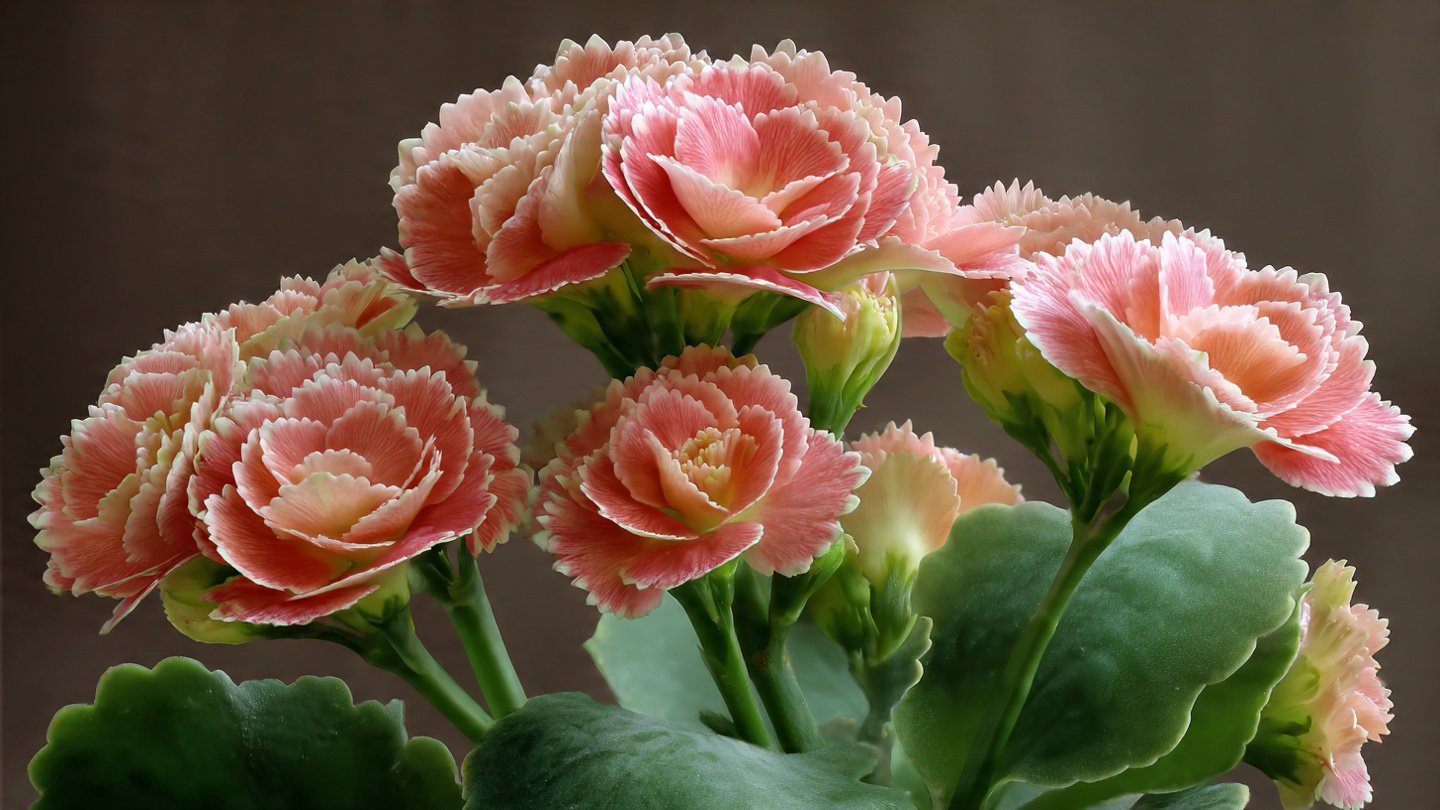
Kalanchoe, particularly the double-flowered variety, has captured the hearts of many indoor gardeners and flower enthusiasts. These succulents are not only visually appealing with their lush, vibrant blooms but also incredibly easy to care for. If you’re looking to add a splash of color to your home decor, cultivating indoor Kalanchoe can be a rewarding endeavor. In this guide, we’ll explore everything from selecting the right variety and choosing suitable containers to providing optimal care conditions and managing common pests.
Understanding Kalanchoe
Kalanchoe belongs to the Crassulaceae family and originates from Madagascar. Its striking flower clusters and thick, fleshy leaves make it a popular choice for indoor gardening. The double-flowered variety, known for its ruffled petals and rich colors, can bloom profusely when cared for correctly.
Selecting the Right Kalanchoe Double Flower Variety
Before you start cultivating, you need to choose the right variety for your space. Here are a few popular options:
-
Kalanchoe Blossfeldiana: This is the most common Kalanchoe species that features vibrant, double flowers in colors like red, yellow, and pink.
-
Kalanchoe Marmorata: Known for its stunning appearance, this variety features marbled leaves and colorful blooms.
-
Kalanchoe ‘Calandiva’: This variety has a more compact growth habit, making it suitable for smaller spaces.
When buying plants, opt for healthy specimens that are free from pests and diseases. Look for bright, firm leaves and vibrant flower buds.
Choosing Containers
Selecting the right container is crucial for the health and growth of your Kalanchoe. Here are some guidelines:
-
Drainage Is Key: Kalanchoe prefers well-drained soil. Choose pots with drainage holes to prevent water from pooling at the bottom, which can lead to root rot.
-
Material Matters: Terracotta pots are a good choice as they allow moisture to evaporate, keeping the soil drier. However, plastic pots can also work as long as they have drainage holes.
-
Size Consideration: A pot that is too large can hold excess moisture. A 6- to 8-inch pot is usually adequate for most Kalanchoe varieties.
Soil and Planting
Using the right soil mix is essential for healthy Kalanchoe growth. Consider the following:
-
Soil Type: A well-draining succulent or cactus potting mix is ideal. If you’re using regular potting soil, blend it with sand or perlite to improve drainage.
-
pH Level: Kalanchoe does best in slightly acidic to neutral soil (pH 6.0 to 7.0).
-
Planting: When planting, gently remove the plant from its nursery pot, loosening any tightly bound roots. Place it in the new pot and fill around it with the soil mix, making sure not to bury the stem.
Watering Schedule
Understanding the watering needs of Kalanchoe is crucial.
-
Frequency: Water only when the top inch of the soil feels dry to the touch. Generally, this might mean watering once every two weeks, but it can vary depending on your home’s humidity and temperature.
-
Adjust with Seasons: In the summer, Kalanchoe may require more frequent watering due to increased evaporation. In winter, reduce watering as the plant goes dormant.
-
Watering Technique: Water thoroughly until it drains from the bottom. Avoid getting water on the leaves to prevent fungal diseases.
Light Requirements
Kalanchoe thrives in bright, indirect sunlight. Here’s how to ensure your plant gets the right amount:
-
Placement: An east or west-facing window is ideal. If you only have south-facing windows, provide some morning sun and afternoon shade.
-
Artificial Light: If natural light is limited, consider using grow lights. Choose full-spectrum LED lights and keep them on for 12-14 hours daily.
-
Signs of Insufficient Light: If your Kalanchoe is stretching towards the light, it may need more exposure.
Fertilization
Kalanchoe doesn’t require heavy feeding but benefits from occasional fertilization.
-
Type of Fertilizer: Use a balanced, water-soluble fertilizer diluted to half strength.
-
Frequency: Fertilize every 4-6 weeks during the growing season (spring and summer). Avoid fertilizing in fall and winter when the plant is dormant.
Pruning and Maintenance
Regular pruning can help maintain the aesthetic appeal of your Kalanchoe.
-
Deadheading: Remove spent flowers to encourage new blooms and prevent the plant from putting energy into seed production.
-
Leaf Cleaning: Wipe the leaves with a damp cloth to remove dust and improve photosynthesis.
-
Repotting: Every couple of years, consider repotting your Kalanchoe into fresh soil to promote healthy growth.
Pest Management
Kalanchoe can be susceptible to various pests including aphids, mealybugs, and spider mites. Here are some tips for managing them:
-
Regular Inspections: Periodically check the undersides of leaves and the soil for signs of pests.
-
Natural Remedies: If you spot pests, try spraying the plant with insecticidal soap or neem oil.
-
Quarantine New Plants: To prevent infestations, quarantine any new plants for a few weeks before introducing them to your indoor garden.
Propagation Techniques
If you want to expand your Kalanchoe collection, propagation is quite straightforward.
-
Leaf Cuttings: Take a healthy leaf and let it callous over for a couple of days. Then plant it in well-draining soil and water lightly.
-
Offsets: Some varieties produce offsets (baby plants) that can be removed and potted separately.
-
Cuttings: You can also propagate stem cuttings. Cut a healthy stem, let it dry for a few days, and then plant it in soil.
Common Issues and Solutions
Despite being hardy, Kalanchoe may encounter some issues. Here are some common problems and their solutions:
-
Leggy Growth: If your plant is stretching, it might not be getting enough light. Move it to a brighter location.
-
Yellowing Leaves: This could be a sign of overwatering or poor drainage. Adjust your watering schedule accordingly.
-
Wilting Flowers: If the flowers wilt despite adequate soil moisture, it might be a sign of root rot. Check the roots and repot if necessary.
Showcasing Your Kalanchoe
Once your Kalanchoe blooms, you’ll want to display it beautifully.
-
Group Planting: Consider placing your Kalanchoe among other succulents in a decorative planter for a cohesive look.
-
Creative Staging: Use tiered plant stands or hang your Kalanchoe in macramé hangers for an elegant display.
-
Seasonal Decor: Pair your Kalanchoe with seasonal decorations, using pots of festive colors or patterns that match your home decor.
Conclusion
Cultivating indoor Kalanchoe double flowers can elevate your home decor to new heights with their stunning blooms and rich greenery. With the right care—adequate light, proper watering, and occasional feeding—you can enjoy these vibrant plants for years to come. Embrace the joy of growing Kalanchoe, and let your creativity shine as you incorporate them into your living spaces.
FAQs
1. How often should I water my Kalanchoe?
Water your Kalanchoe when the top inch of soil feels dry, typically every two weeks. Adjust for seasonal changes.
2. What is the ideal light condition for Kalanchoe?
Bright, indirect sunlight is best. Avoid prolonged direct sunlight, especially in the afternoon.
3. Can I keep Kalanchoe outdoors?
Kalanchoe can be kept outdoors in warm climates but should be protected from intense sun and frost.
4. How do I know if my Kalanchoe is getting too much light?
If the leaves start to yellow or the plant appears leggy (stretched out), it may be receiving too much light.
5. What’s the best way to fertilize Kalanchoe?
Use a balanced, water-soluble fertilizer at half strength every 4-6 weeks during the growing season.
6. How do I propagate Kalanchoe?
You can propagate Kalanchoe through leaf cuttings, offsets, or stem cuttings by allowing them to callous before planting in soil.
7. Why are my Kalanchoe flowers drooping?
Wilting flowers may indicate root rot or insufficient light. Check the roots and adjust care as needed.
By following this guide, you can cultivate beautiful Kalanchoe double flowers that not only enhance your indoor decor but also make for a fulfilling gardening experience. Happy planting!