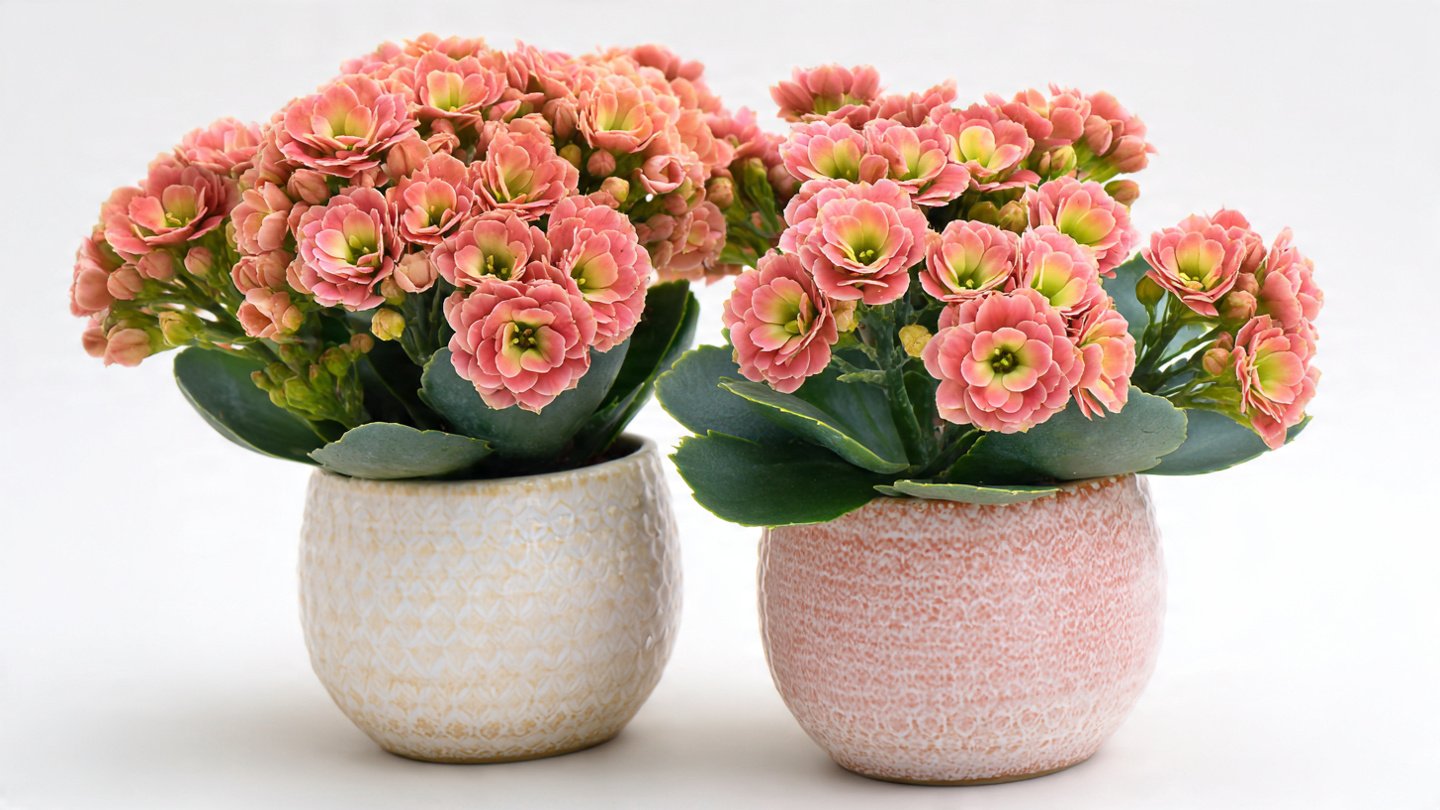
Kalanchoe, a hardy succulent known for its vibrant blooms, is an ideal choice for indoor gardening enthusiasts. Among its varieties, the Kalanchoe Double Flower stands out with its lush, tiered blooms and rich colors, making it an attractive addition to home decor. In this guide, we’ll explore how to cultivate Kalanchoe Double Flower indoors successfully, covering everything from choosing the right soil to ensuring proper light and watering.
Understanding Kalanchoe Double Flower
Kalanchoe Double Flower (Kalanchoe blossfeldiana) is native to Madagascar and is part of the Crassulaceae family. This succulent is characterized by its thick, fleshy leaves and cluster of flowers that resemble miniature roses. The blooms can come in various colors, including pink, red, yellow, and white, making it a versatile option for enhancing home aesthetics.
Benefits of Indoor Kalanchoe
- Low Maintenance: Kalanchoe is drought-tolerant and doesn’t require frequent watering or complex care routines.
- Air Purifier: Like many succulents, it can help improve indoor air quality by absorbing carbon dioxide.
- Long Blooming Season: With the right care, Kalanchoe can bloom for several weeks, providing colorful accents to your home.
- Aesthetic Appeal: The double flowers add a touch of elegance and can brighten up any indoor space.
Choosing the Right Location
Light Requirements
Kalanchoe Double Flower thrives in bright, indirect sunlight. Ideally, place your plant near a south or west-facing window where it can receive approximately 6 hours of light a day.
Tips for Optimal Lighting:
- If your window is too bright, use sheer curtains to filter the light.
- If your plant starts to stretch toward the light, it may signal that it needs more sunlight.
Temperature and Humidity
Kalanchoe prefers temperatures between 60°F and 75°F (15°C to 24°C). While it can tolerate short-lived drops to around 50°F (10°C), prolonged exposure to cold temperatures can harm the plant.
Humidity Levels:
Kalanchoe does well in average indoor humidity. Excess humidity can lead to root rot, so maintain air circulation around the plant.
Choosing the Right Pot and Soil
Pot Selection
Opt for a pot with drainage holes to prevent waterlogging. Clay or terracotta pots are preferable as they allow moisture to evaporate quickly. If you’re using a decorative pot without drainage, use it only as a cachepot and ensure the Kalanchoe is in a separate pot.
Soil Requirements
A well-draining soil mix is essential for Kalanchoe. Look for a commercial cactus or succulent mix, or create your own by blending:
- 1 part potting soil
- 1 part coarse sand
- 1 part perlite or pumice
This mixture helps to provide the right balance of nutrients and drainage for your Kalanchoe Double Flower.
Watering Your Kalanchoe Double Flower
Overwatering is one of the most common issues with succulent care. Kalanchoe prefers its soil to dry out between waterings. Here’s a guideline for successful watering:
How to Water
- Check the Soil: Use your finger to feel the top inch of soil. If it’s dry, it’s time to water.
- Water Thoroughly: When you do water, ensure that you saturate the soil until you see water draining from the bottom.
- Frequency: Typically, watering every 2-3 weeks is sufficient, but this can vary depending on your environment and season.
Signs of Over or Under Watering
- Overwatering: Yellowing leaves, mushy stems, or a foul odor from the soil.
- Underwatering: Wrinkled leaves, dry spots, or drooping stems.
Fertilizing Kalanchoe Double Flower
Kalanchoe benefits from feeding during its growing season, which typically occurs in spring and summer. Use a balanced, water-soluble fertilizer diluted to half strength. Fertilize every 4-6 weeks to promote healthy growth and vibrant blooms.
Winter Care
In winter, Kalanchoe enters a dormant phase and does not require fertilizing. Limit watering during this time, as the plant will use less water.
Pruning and Deadheading
Regular pruning helps Kalanchoe maintain its shape and encourages fuller growth. After the blooming period:
- Remove Dead Flowers: Deadhead spent blooms to encourage new growth and prevent the plant from spending energy on fading flowers.
- Trim Leggy Growth: If your plant becomes leggy, prune back the longer stems to promote bushier foliage.
Propagation Techniques
Kalanchoe Double Flower can be easily propagated through leaf cuttings or offsets.
Leaf Cutting Method
- Select a Healthy Leaf: Choose a mature leaf and cut it off at the base.
- Dry the Cutting: Allow the leaf to dry for a few days until a callus forms.
- Planting: Place the leaf in a well-draining soil mix, keep the soil slightly moist, and provide indirect light.
- Roots Development: After several weeks, the plant will develop roots and can be treated like a mature Kalanchoe.
Offset Propagation
If your Kalanchoe produces offsets (baby plants), carefully separate them from the parent plant and transplant them into small pots.
Common Pests and Problems
While Kalanchoe is generally resilient, it can fall victim to pests like mealybugs, aphids, and spider mites.
Managing Pests
- Inspection: Regularly check the undersides of leaves and around stems.
- Treatment: Use insecticidal soap or neem oil and wipe affected areas with a cotton swab.
- Isolation: If infested, isolate the plant to prevent the spread of pests.
Diseases
Root rot is a common disease caused by overwatering. If you suspect root rot, carefully remove the plant from its pot, check the roots, and cut away any mushy portions. Repot in fresh soil.
Creating Stunning Displays with Kalanchoe
Kalanchoe Double Flower can be incorporated creatively into your home decor. Here are a few ideas:
- Single Specimens: Place a single Kalanchoe in a decorative pot on a table or shelf.
- Group Arrangements: Group multiple Kalanchoe plants of varying colors together for a striking visual impact.
- Hanging Baskets: Use hanging baskets to showcase your Kalanchoe and add vertical interest to your space.
- Succulent Terrariums: Combine with other succulents in a terrarium for a unique, mini indoor garden.
FAQs About Kalanchoe Double Flower Care
1. How often should I water my Kalanchoe Double Flower?
Water your Kalanchoe every 2-3 weeks, making sure the top inch of soil is dry before watering again.
2. Can Kalanchoe Double Flower survive in low light?
While Kalanchoe can tolerate low light for short periods, it thrives best in bright, indirect sunlight.
3. How do I encourage blooming in Kalanchoe?
To encourage blooming, ensure your plant gets enough light and follow a fertilization schedule during its growing season. Deadheading spent flowers also helps.
4. Is Kalanchoe toxic to pets?
Kalanchoe is considered mildly toxic to pets. Keep it out of reach of cats and dogs.
5. Why are the leaves turning yellow?
Yellowing leaves can indicate overwatering. Check your watering habits and ensure the soil is well-draining.
6. How long will a Kalanchoe plant live?
With proper care, Kalanchoe can live for several years, although it may need to be repotted and periodically pruned.
7. What is the best fertilizer for Kalanchoe?
A balanced, water-soluble fertilizer diluted to half strength works best during the growing season.
Conclusion
Cultivating Kalanchoe Double Flower indoors is a rewarding adventure that can enhance your living space with minimal effort. With the right light, care, and attention, you can enjoy spectacular blooms that last throughout the year. Whether you’re a beginner or an experienced indoor gardener, Kalanchoe offers a vibrant and resilient option for your home decor.
By following the tips outlined in this guide, you’ll be well on your way to creating stunning indoor displays that are sure to impress!