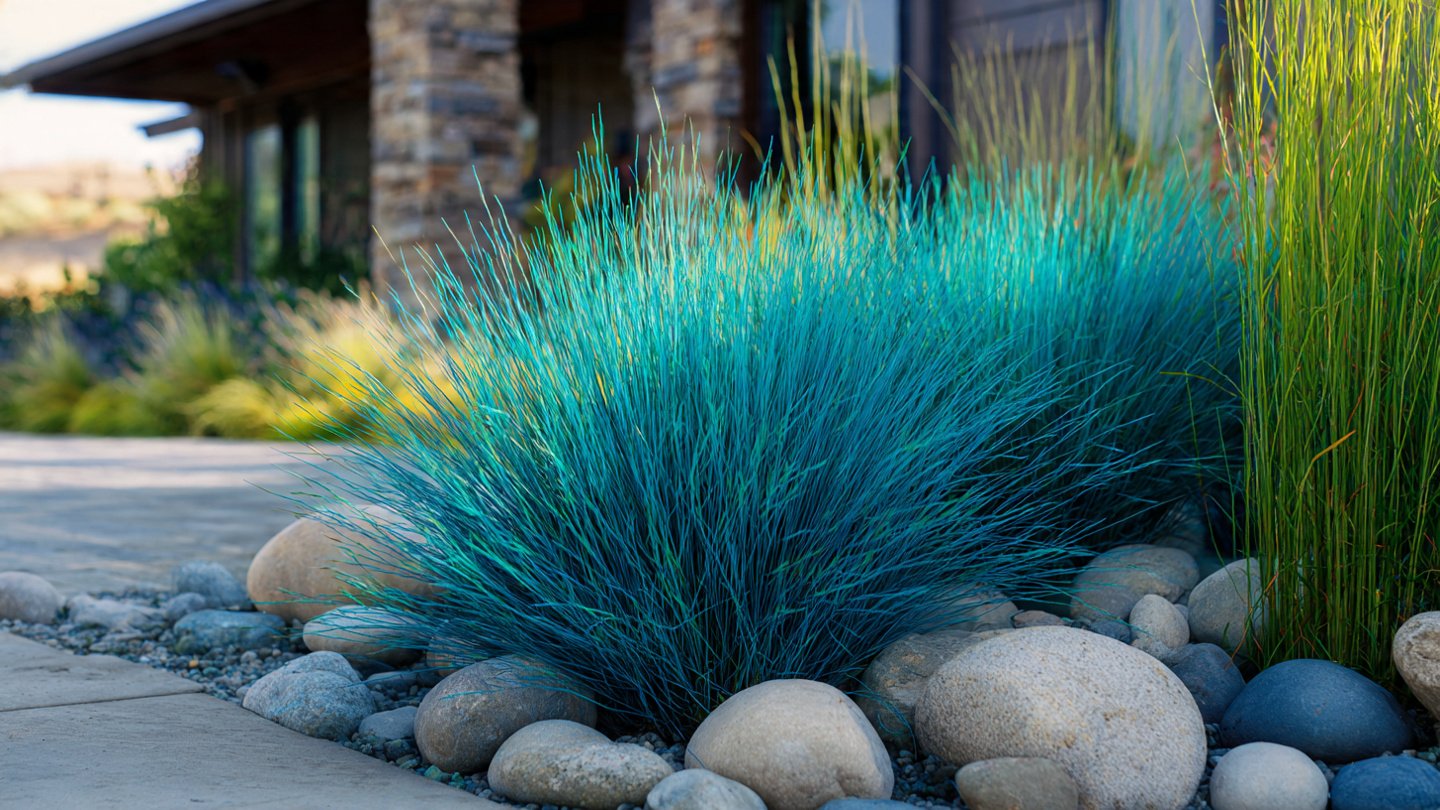
Blue fescue (Festuca glauca) is a hardy and ornamental grass that has become increasingly popular among gardeners and landscape designers alike. Its striking blue-gray foliage, compact form, and gentle texture make it an excellent choice for borders, rock gardens, or even as a standalone feature in a garden bed. If you’re looking to add a vibrant touch to your garden with blue fescue grass, this article will provide you with simple steps for successful cultivation as well as answers to some frequently asked questions.
Understanding Blue Fescue Grass
Characteristics
Blue fescue is a perennial grass that typically reaches a height of 12 to 18 inches and is known for its tight clumps of fine-textured leaves. The grass exhibits a beautiful blue hue, particularly in cooler temperatures or when grown in full sun. In late spring to early summer, it sends up delicate flower spikes that can add an additional aesthetic element to your garden.
Hardiness Zones
Blue fescue is suitable for USDA hardiness zones 4 to 9. It thrives in areas with well-drained soils and enjoys full sun but can tolerate light shade.
Step-by-Step Guide to Cultivating Blue Fescue
1. Choosing the Right Location
Selecting the appropriate spot for your blue fescue grass is the first crucial step in cultivation. Look for areas that receive full to partial sunlight, ideally with at least six hours of direct sunlight daily. While the grass can tolerate lighter shade, the vibrant blue color is most pronounced in sunny conditions.
2. Preparing the Soil
Blue fescue prefers well-draining soil. Here are steps to prepare the soil:
-
Test Soil Drainage: Conduct a percolation test by digging a hole about 12 inches deep and filling it with water. If the water drains within a few hours, your soil likely drains well. If not, consider amending it.
-
Amending Soil: If your soil is too heavy (clay) or too sandy, consider adding organic matter such as compost to enhance fertility and drainage.
-
pH Level: Blue fescue prefers a slightly acidic to neutral pH (between 6.0 and 7.5). You can use a soil testing kit to assess your soil’s pH and amend it as necessary.
3. Sowing Seeds or Transplanting
There are two primary methods for planting blue fescue: sowing seeds or transplanting seedlings.
Sowing Seeds
-
Timing: The best time to sow blue fescue seeds is in the spring after the last frost or in the fall.
-
Sowing: Scatter the seeds evenly over the prepared soil and cover them lightly, no more than ¼ inch deep. Water them gently to settle the soil.
-
Watering: Keep the soil consistently moist until the seeds germinate, which typically takes about 10-14 days.
Transplanting Seedlings
-
Timing: You can also purchase blue fescue seedlings from your local garden center. The best time to transplant them is in spring or early fall.
-
Spacing: Plant seedlings about 12-18 inches apart to allow for their full growth.
-
Planting: Dig a hole that is slightly larger than the root ball, place the plant in the hole, and fill in the gaps with soil.
4. Watering Requirements
Once established, blue fescue grasses have moderate water needs. Here are some watering tips:
-
Initial Phase: During the first few weeks after planting, water the grass regularly to keep the soil moist but not soggy.
-
Established Plants: Once established, blue fescue is drought-tolerant. Water it every 1-2 weeks, depending on rainfall and heat conditions.
5. Fertilizing Blue Fescue Grass
Although blue fescue is not particularly demanding regarding fertilizers, a light application can improve foliage color and overall health.
-
Type: Use a balanced, slow-release fertilizer in early spring.
-
Application: Follow the manufacturer’s guidelines for application rates. Too much fertilizer can lead to lush growth but diminished color intensity.
6. Regular Maintenance
Proper maintenance will ensure the longevity and vibrant appearance of your blue fescue:
-
Mowing: Blue fescue doesn’t usually require mowing, but if it gets too tall or untidy, you can trim it back gently.
-
Weeding: Keep the area around your blue fescue free from weeds, as they can compete for nutrients and moisture.
-
Division: If your blue fescue clumps become too dense over time (usually every 3-5 years), consider dividing them in early spring to maintain their health.
7. Pests and Diseases
Blue fescue is generally resistant to pests and diseases, but it can sometimes suffer from problems like:
-
Root Rot: This is usually caused by poor drainage. Ensure your soil is well-drained and avoid overwatering.
-
Pests: Check for any signs of pests like aphids or web worms. Use organic pesticides or insecticidal soap if necessary.
8. Seasonal Care
-
Winter Care: In colder climates, blue fescue will go dormant in winter. You can cut it back to about 4-6 inches after the first frost to tidy up the garden.
-
Spring Awakening: As the weather warms up, blue fescue will start to grow again. Apply a light layer of compost around the base for added nutrients.
9. Design Ideas
Blue fescue can be used in various landscape designs:
-
Rock Gardens: Its compact shape and striking color make it perfect for rock gardens.
-
Borders: Pair blue fescue with perennials or flowering plants for a stunning contrast.
-
Containers: Consider planting blue fescue in pots or containers for a versatile touch to your patios or decks.
Frequently Asked Questions (FAQs)
1. How long does it take for blue fescue to germinate?
Blue fescue seeds typically take about 10-14 days to germinate, depending on soil temperature and moisture levels.
2. Can blue fescue tolerate shade?
While blue fescue can tolerate light shade, it thrives best when planted in full sunlight. Lack of sunlight can diminish its vibrant color.
3. Is blue fescue drought-tolerant?
Yes, once established, blue fescue is relatively drought-tolerant, requiring minimal water to sustain its health.
4. How can I prevent pests from affecting my blue fescue?
Maintaining a healthy, well-drained environment can help prevent pests. Regularly check for signs of trouble and use organic pesticides if needed.
5. Can I grow blue fescue in containers?
Absolutely! Blue fescue thrives in containers as long as the pots have adequate drainage holes and are filled with quality potting soil.
6. When should I fertilize my blue fescue?
A light application of a balanced, slow-release fertilizer in early spring should suffice. Avoid over-fertilizing, as this can damage the grass.
7. How do I know when to divide my blue fescue?
If the clumps of blue fescue become too dense or start to lose their vigor, typically every 3-5 years, it’s a good time to divide them for healthier growth.
8. What hardiness zones are suitable for blue fescue?
Blue fescue is suitable for USDA hardiness zones 4 to 9, making it adaptable to a range of climates.
9. Can I plant blue fescue in clay soil?
While blue fescue can tolerate various soil types, it prefers well-draining soils. If you have clay soil, amending it with organic matter is advisable to improve drainage.
10. What is the best time of year to plant blue fescue?
The best times to plant blue fescue are in the spring after the last frost or in early fall, ensuring the best conditions for establishment.
Conclusion
Cultivating vibrant blue fescue grass is an enriching gardening experience that can enhance the aesthetic appeal of your outdoor space. By following these simple steps for proper care and maintenance, you will successfully grow a beautiful display of blue fescue that adds elegance and texture to your garden. With its stunning hue, durability, and low maintenance requirements, blue fescue is an excellent choice for both novice and seasoned gardeners. Whether used in borders, rock gardens, or decorative containers, this beautiful grass is sure to impress. Happy gardening!