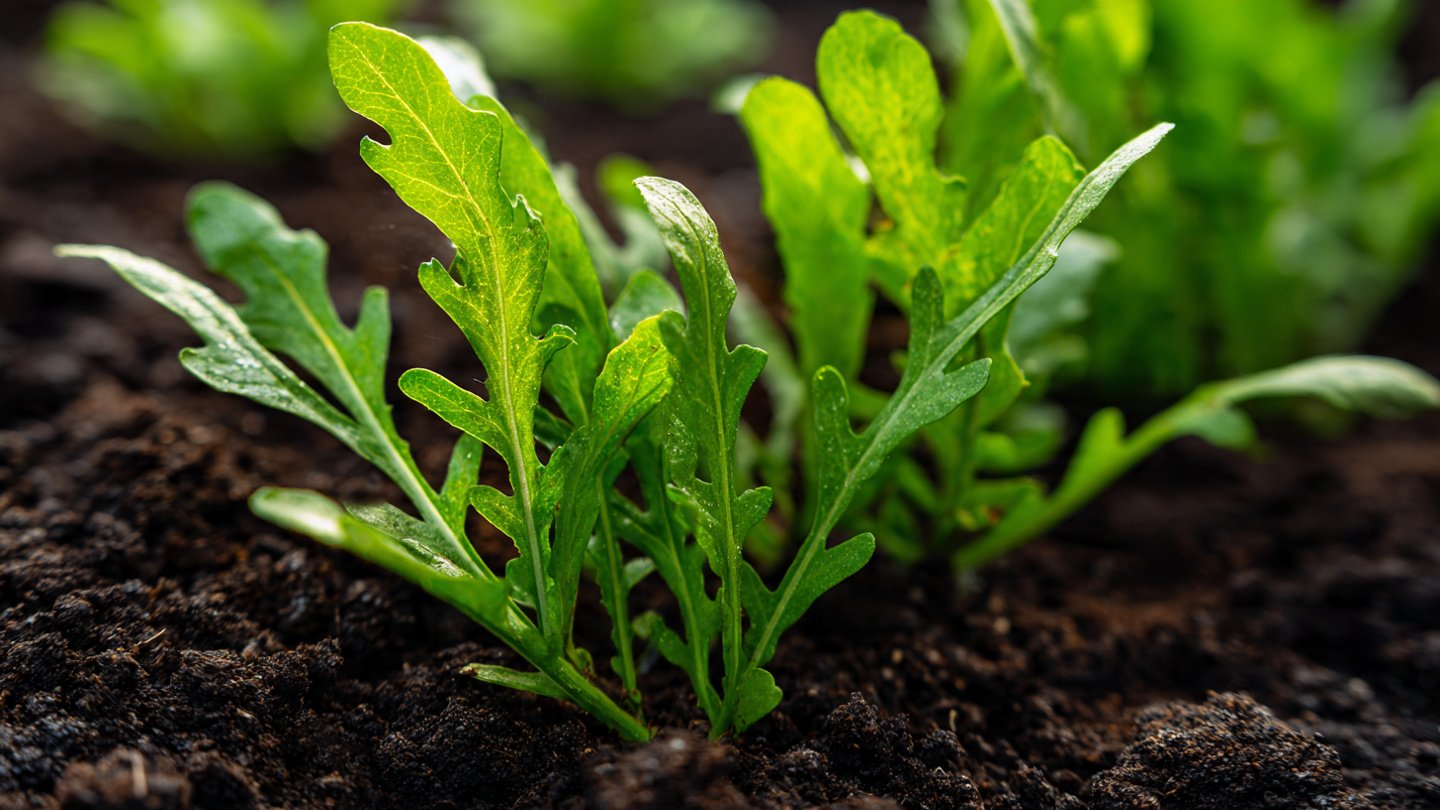
Growing your own food is an exciting journey, and cultivating wild arugula (Eruca sativa) is a great way to start. Known for its peppery flavor and nutrient-rich profile, wild arugula can add a delightful twist to your salads, sandwiches, and various dishes. This ultimate guide will walk you through everything you need to know to successfully grow wild arugula in your home garden, covering soil preparation, seeds, planting, care, and harvesting. Let’s dive in!
Why Choose Wild Arugula?
Before you plant, it’s worth understanding why wild arugula is a fantastic addition to any garden.
-
Flavor Profile: Unlike the milder cultivated varieties, wild arugula has a sharper flavor that can elevate your meals.
-
Nutritional Benefits: Rich in vitamins A, C, and K, as well as minerals like calcium and iron, wild arugula is a powerhouse of nutrition.
-
Easy to Grow: Wild arugula is a hardy annual that adapts well to various conditions, making it perfect for both novice and experienced gardeners.
-
Pest Resistance: It can naturally deter pests, reducing the need for chemical interventions.
Preparing the Soil
Location and Light
Wild arugula thrives in well-drained soil with good organic content. Choose a spot in your garden that receives full sun (about 6-8 hours of direct sunlight) each day. Although arugula can tolerate some shade, full sun is ideal for optimal growth.
Soil Composition
Arugula prefers a slightly acidic to neutral pH (6.0 to 7.0). Here’s how to prepare the soil:
-
Testing the Soil: Use a soil test kit to assess pH and nutrient levels.
-
Improving Drainage: If your soil is compact or clay-based, add compost, sand, or perlite to enhance drainage and aeration.
-
Fertilization: Mix in a balanced organic fertilizer before planting. Aim for a N-P-K ratio close to 5-10-10, which supports leafy growth.
Choosing Seeds
While wild arugula is generally available at many garden centers, you may also consider sourcing seeds from reputable online suppliers. Look for organic or non-GMO options to ensure the best health and flavor.
Seed Characteristics
Wild arugula seeds are small, so handle them carefully. You can often recognize high-quality seeds by their plumpness and color consistency.
Planting Wild Arugula
Timing
The best time to plant wild arugula is in the spring (about 2-4 weeks before the last frost) or fall (about 6-8 weeks before the first frost). In mild climates, it can also be grown year-round.
Method
-
Sowing Seeds: Broadcast the seeds on the prepared soil surface or plant them in rows about 12-18 inches apart. Cover the seeds lightly with soil (approximately 1/4 inch).
-
Spacing: Ensure proper spacing to prevent overcrowding. Aim for 4-6 inches between plants after germination.
-
Watering: Water the seeds gently using a fine mist or a watering can to avoid displacing them. Keep the soil consistently moist but not waterlogged.
Care and Maintenance
Watering
Wild arugula requires regular watering, especially in dry periods. Aim for at least 1 inch of water per week, more if the weather is particularly hot. Morning watering is best, as it allows leaves to dry out during the day.
Mulching
Applying a layer of organic mulch helps retain moisture, suppress weeds, and regulate soil temperature. Straw, grass clippings, or shredded leaves work well.
Weeding
Keep the planting area free from weeds, particularly during the early growth stages. Hand-pulling or using biodegradable mulch can help mitigate competition.
Pest Control
While wild arugula is relatively pest-resistant, keep an eye out for common garden pests such as aphids or flea beetles. You can use insecticidal soap or neem oil if needed, or simply rinse the plants with water to dislodge pests.
Fertilizing
After the first few weeks, you may want to apply a nitrogen-rich fertilizer if your plants seem to be growing slowly. Take care not to over-fertilize, which can lead to excessive leaf growth at the expense of flavor.
Harvesting Wild Arugula
When to Harvest
You can begin harvesting wild arugula when the leaves are about 3-4 inches tall. Early harvesting encourages new growth and allows you to enjoy multiple yields from your plants.
How to Harvest
-
Cutting Leaves: Use clean scissors or garden shears to snip off the outer leaves, leaving the inner leaves for continued growth. Aim to cut the leaves just above the base to encourage more growth.
-
Timing: Harvest in the morning when the leaves are crisp and full of moisture for the best flavor.
Storage
Freshly cut wild arugula can be stored in the refrigerator in a breathable bag for up to a week. Rinse just before use to ensure maximum freshness.
Common Issues
Bolting
Wild arugula is prone to bolting in hot weather or when it is under stress. When plants begin to flower, the flavor of the leaves may worsen. To prevent this, ensure proper watering and consider planting in partial shade during the hottest months.
Diseases
Watch out for fungal diseases that can arise from overwatering. Ensure good air circulation around plants and avoid watering the leaves.
Conclusion
Growing wild arugula in your home garden not only brings additional nutrition to your table but also exposes you to the joys of gardening. With its peppery flavor and adaptability, you can’t go wrong with this leafy green. Armed with the information in this guide, you are now ready to create a thriving wild arugula patch. Happy gardening!
FAQs
1. How long does it take for wild arugula to grow?
Wild arugula typically takes about 40-50 days from sowing to harvest, depending on the growing conditions.
2. Can I grow wild arugula in containers?
Yes! Wild arugula can be grown in containers. Choose a pot that is at least 6-8 inches deep and ensure it has drainage holes.
3. Is wild arugula a perennial plant?
No, wild arugula is an annual plant. However, it can reseed itself if allowed to go to seed.
4. Can wild arugula tolerate frost?
Yes, wild arugula can tolerate light frosts and can often be grown into the late fall or early spring.
5. How can I use wild arugula in cooking?
Wild arugula can be used fresh in salads, on sandwiches, or as a pizza topping. You can also use it in pesto or sauté it lightly for a side dish.
6. Is wild arugula toxic to pets?
Wild arugula is generally considered non-toxic to pets, but it’s always a good idea to monitor them around any plants. If you notice any adverse effects, contact your veterinarian.
By carefully considering the tips and techniques outlined in this guide, you’ll be well on your way to enjoying the unique flavors of your home-grown wild arugula. Gardening can be a deeply rewarding experience, both for your palate and your peace of mind!