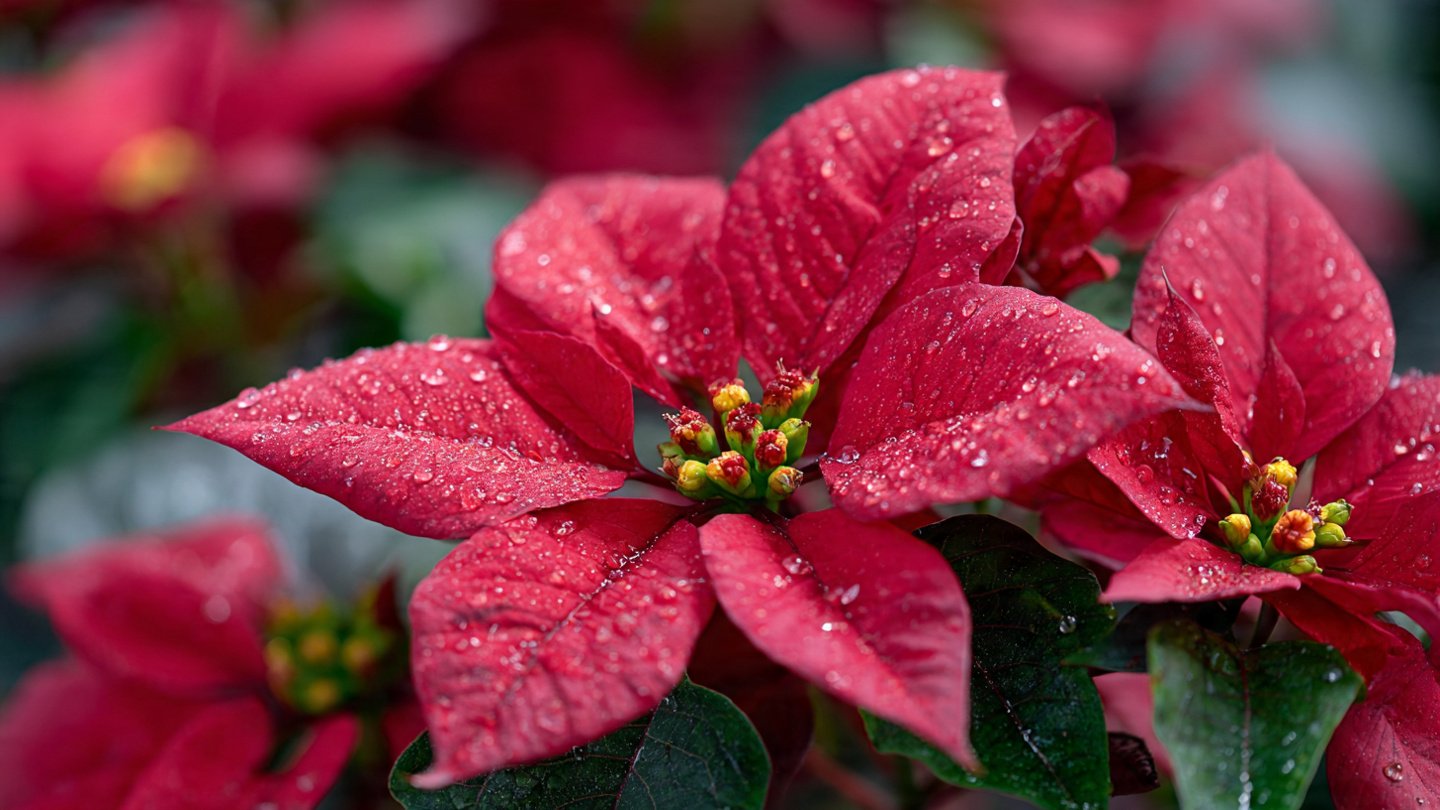
Poinsettias are iconic holiday plants, often associated with Christmas, thanks to their vibrant red and green foliage. However, many people are unaware that these beautiful plants can thrive beyond the holiday season. With a bit of care and attention, you can maintain your poinsettia and encourage it to bloom again next year. This article provides a comprehensive guide on how to care for your poinsettia after its blooming period, plus some frequently asked questions to help you with the process.
Understanding Poinsettias
Poinsettias (Euphorbia pulcherrima) are tropical plants native to Mexico. They can grow up to 16 feet tall in their natural habitat but are typically kept as houseplants in pots. The colorful bracts (often mistaken for flowers) are actually modified leaves that develop in response to changes in light and temperature. After the holidays, these plants often lose their color and foliage, leading many to discard them. However, with proper care, poinsettias can be kept as perennial houseplants.
Post-Bloom Care: Steps to Follow
1. Evaluate the Plant
After the holiday season, the first step is to assess your poinsettia’s condition:
-
Leaf Drop: It’s normal for some leaves to drop as the plant transitions from blooming to a dormant state. If the plant looks healthy but has dropped some leaves, don’t panic.
-
Color and Texture: Check for any signs of disease or pests. Healthy leaves should be firm and vibrant, while unhealthy ones may appear wilted or discolored.
2. Prune the Plant
Once the blooming period is over, typically around late January or early February, it’s time for a little maintenance:
-
Cut Back: Use clean, sharp scissors or pruning shears to cut the stems back to about 6 inches above the soil level. This helps the plant focus its energy on new growth in the spring.
-
Remove Dead Leaves: Clear away any dead or wilting leaves to maintain plant health and prevent rot.
3. Repot if Necessary
Poinsettias thrive in containers that allow for drainage. If you notice that the plant has outgrown its pot, or if the soil is compacted:
-
Choose a New Pot: Select a pot that’s 1-2 inches larger in diameter than the current one. Ensure it has drainage holes.
-
Soil Selection: Use a well-draining potting mix. A mix designed for tropical houseplants works well.
-
Repotting Process: Remove the plant gently from its old pot, loosen the roots, and place it in the new pot with fresh soil around it. Water thoroughly after repotting.
4. Adjust Watering Schedule
Poinsettias need moderate watering:
-
Watering Technique: Water the plant when the top inch of soil feels dry. Make sure to water thoroughly until it drains out of the bottom of the pot.
-
Avoid Over-watering: This plant is particularly sensitive to excess water, which can lead to root rot.
5. Light Conditions
Poinsettias need bright, indirect sunlight:
-
Sunlight Requirements: Place your poinsettia near a window that receives bright but filtered light. Direct sunlight can scorch the leaves.
-
Rotation: Rotate the plant every couple of weeks to ensure even light exposure.
6. Humidity and Temperature
Poinsettias prefer:
-
Humidity Levels: They thrive in moderately high humidity. Consider misting your plant occasionally or using a humidifier if your home is dry.
-
Temperature Range: Maintain a temperature between 65°F to 75°F (18°C to 24°C). Avoid placing them in drafty areas or close to heating vents.
7. Fertilization
To support growth and blooming:
-
Fertilize: Use a balanced, water-soluble fertilizer every 4-6 weeks during the growing season (spring and summer). Skip fertilizing during the dormant months (fall and winter).
-
Dilution: Follow the manufacturer’s instructions on dilution to avoid over-fertilizing.
Preparing for Next Blooming Season
To encourage poinsettias to bloom around Christmas:
1. Light Control
Poinsettias need dark exposure to stimulate bloom formation:
-
Light Schedule: Starting in late September, provide your plant with complete darkness for about 14-16 hours each night. This can be achieved by placing it in a dark room or covering it with a box.
-
Daylight Care: During the day, return it to a bright location for 6-8 hours of light.
2. Pruning for Blooming
In early summer, after the last frost, prune the plant again to encourage new growth. This will also help to shape the plant for the upcoming season.
FAQs
1. Can I keep my poinsettia year-round?
Yes, with proper care, you can keep your poinsettia for many years. They can be maintained as houseplants, and with the right conditions, they can bloom again.
2. Why are the leaves falling off my poinsettia?
Leaf drop can occur for several reasons, including changes in temperature, over-watering, or lack of light. Assess the plant’s environment and adjust care accordingly.
3. How often should I water my poinsettia?
Water your poinsettia when the top inch of soil feels dry. This could be every few days to once a week, depending on environmental conditions.
4. Can I place my poinsettia outside in the summer?
Yes, you can place your poinsettia outside once the threat of frost has passed. Ensure it is in a shaded area and gradually acclimate it to the outdoor environment.
5. Is it safe to keep poinsettias around pets?
According to the ASPCA, poinsettias are mildly toxic to pets if ingested in large quantities, but they are not life-threatening. It’s always a good idea to keep any plant out of reach from curious pets.
6. What if my plant doesn’t bloom again?
If your poinsettia does not bloom after following proper care guidelines, it could be due to insufficient light or an issue with temperature. Be consistent with light exposure and provide the right conditions.
7. What’s the best way to achieve blooming again?
To induce blooming, ensure correct light exposure during the dark period in September through December. This process encourages the plant to produce its vibrant bracts in time for the holidays.
Conclusion
Growing poinsettias after their blooming period can be a rewarding experience. With the right care, you can transform what many view as a holiday decoration into a beautiful long-term houseplant. By following the steps outlined in this guide and considering the FAQs, you can keep your poinsettia thriving year-round, ready to bloom beautifully each holiday season. Consider it an exciting challenge that not only beautifies your space but enhances your gardening skills as well!