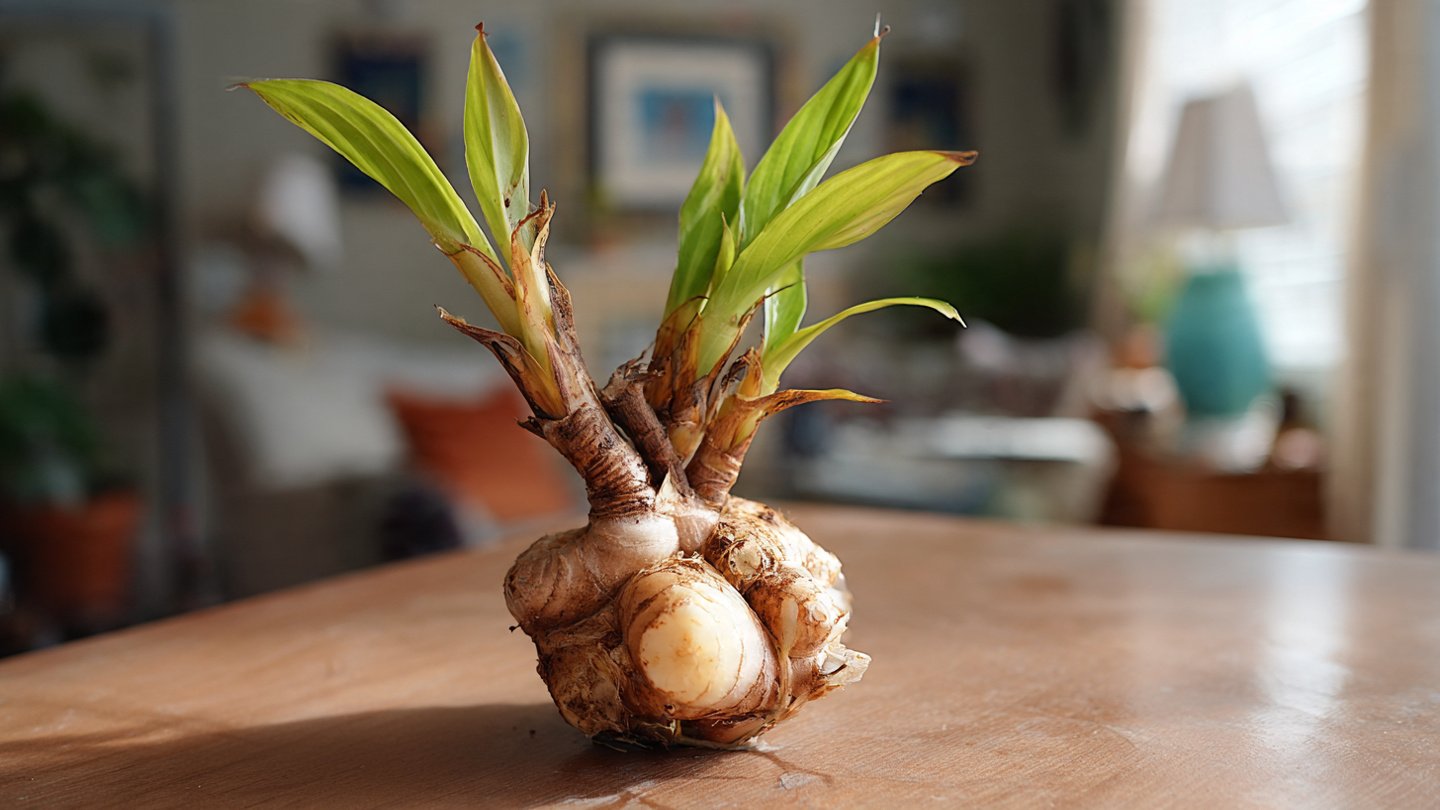
Ginger (Zingiber officinale), known for its distinctive flavor and numerous health benefits, is a popular spice used in culinary dishes worldwide. Sprouting ginger rhizomes at home is not only easy but also rewarding, as you can utilize your home-grown ginger in various recipes. This article will walk you through simple methods to sprout ginger rhizomes without any complicated techniques, offering step-by-step instructions and tips for success.
Understanding Ginger Rhizomes
Before we dive into sprouting methods, it’s important to understand what ginger rhizomes are. A rhizome is a thickened underground stem that stores nutrients and supports growth. Ginger rhizomes are typically the parts you plant to grow more ginger.
Why Grow Ginger at Home?
- Fresh Flavor: Home-grown ginger is fresher and can enhance the flavor of your dishes.
- Health Benefits: Ginger is known for its medicinal properties, including aiding digestion and reducing nausea.
- Sustainable Gardening: Growing your own ginger reduces reliance on store-bought products and can be more cost-effective in the long run.
Choosing the Right Ginger Rhizomes
When selecting ginger rhizomes for sprouting, follow these tips:
- Buy Organic: Choose organic ginger, if possible, as it is less likely to be treated with growth inhibitors.
- Look for Eye Buds: A good ginger rhizome should have protruding buds or “eyes,” which are the growth points. The more eyes, the better the chance of successful sprouting.
- Avoid Dry or Moldy Rhizomes: Fresh, firm rhizomes are best. Avoid any that are shriveled, dry, or show signs of mold.
Method 1: Water Sprouting
One of the easiest methods to sprout ginger is through water propagation.
Materials Needed
- Fresh ginger rhizome
- A glass or jar
- Water
Steps
-
Prepare the Ginger: Cut the rhizome into pieces, ensuring each piece has at least one eye.
-
Submerge in Water: Place the ginger pieces in a jar with the cut side facing down. Add enough water to submerge half of the rhizome while leaving the eyes above water.
-
Choose a Warm Spot: Place the jar in a warm, bright location, but avoid direct sunlight, which may seed rot.
-
Water Regularly: Change the water every few days to keep it fresh. After about one to two weeks, you should see roots beginning to develop.
-
Transplant: Once the roots are a few inches long, transplant them into soil for continued growth. Choose a well-draining potting mix.
Tips for Success
- Keep the water level maintained to avoid drying out.
- If the ginger begins to rot, trim off the decayed parts and continue with healthy sections.
Method 2: Soil Sprouting
Sprouting ginger directly in soil is a straightforward method that can yield excellent results.
Materials Needed
- Fresh ginger rhizome
- Pot with drainage holes
- Potting soil
Steps
-
Choose a Pot: Select a pot that is at least 10 inches deep with good drainage.
-
Prepare the Ginger: Cut the ginger rhizome into pieces as described earlier.
-
Plant the Ginger: Fill the pot with potting soil, leaving some space at the top. Plant the ginger pieces horizontally, ensuring the eye buds are facing up and covering them lightly with soil.
-
Water Gently: Water the soil lightly to avoid water logging, which can cause the ginger to rot.
-
Warm Environment: Place the pot in a warm area with indirect sunlight.
-
Regular Care: Keep the soil moist but not soggy. Ginger typically sprouts within 2-3 weeks.
Tips for Success
- Use a light potting mix to ensure good drainage.
- Fertilize lightly every few weeks with an organic fertilizer to encourage growth.
Method 3: Plastic Bag Method
This technique uses humidity to encourage sprouting, ideal for those with limited space.
Materials Needed
- Fresh ginger rhizome
- Ziplock bag
- Paper towel
Steps
-
Prepare the Ginger: Cut the ginger rhizome as described previously.
-
Moisten a Paper Towel: Dampen a paper towel but ensure it’s not soaking wet.
-
Wrap the Ginger: Place the ginger pieces in the paper towel and wrap it securely.
-
Place in Ziplock Bag: Put the wrapped ginger into a Ziplock bag. Seal it, but allow a little air to circulate.
-
Warm Location: Keep the bag in a warm, dark place to encourage sprouting.
-
Check Regularly: After about a week, check for sprouting. Once the shoots appear, you can transplant the ginger into soil.
Tips for Success
- Avoid letting the paper towel dry out.
- Ensure the bag is not too airtight, as it needs some air circulation.
General Care for Growing Ginger
Once your ginger is sprouted and planted in soil, you need to provide proper care for it to thrive.
Light
Ginger prefers partial sunlight. Too much direct sunlight can scorch the leaves, while too little can inhibit growth. A bright, filtered light spot is ideal.
Watering
Keep the soil consistently moist but avoid waterlogging. Regularly check the moisture level.
Temperature
Ginger thrives in warm conditions (around 70-85°F). If living in a cooler climate, consider using a greenhouse or bringing your pots indoors during chilly weather.
Fertilizing
Apply a balanced, organic fertilizer every 4-6 weeks to support your ginger’s growth.
Harvesting
Ginger takes about 8-10 months to mature. Once the leaves start to yellow and die back, it’s time to harvest. Gently dig out the rhizomes, leaving some behind to sprout for the next season.
Common Challenges and Solutions
-
Rotting Rhizomes: This usually happens due to overwatering or poor drainage. Ensure the soil drains well and adjust your watering schedule.
-
Slow Growth: If your ginger isn’t growing, check the temperature and ensure it’s receiving adequate moisture and light.
-
Pests: Watch out for pests like aphids and spider mites. Use organic insecticidal soap if necessary.
FAQs
1. How long does it take for ginger to sprout?
It typically takes about 1-3 weeks for ginger to sprout, depending on the method and conditions.
2. Can I plant store-bought ginger?
Yes, you can plant store-bought ginger, but opt for organic varieties as they are less likely to be treated with growth inhibitors.
3. How often should I water my ginger?
Water your ginger regularly, keeping the soil slightly moist—generally 1-2 times a week, depending on humidity and temperature.
4. What is the best time of year to plant ginger?
Ginger is best planted in the spring when the soil temperature rises and the risk of frost has passed.
5. Can ginger be grown indoors?
Yes, ginger can be grown indoors, but it needs sufficient light and warmth. Consider using grow lights if natural light is limited.
6. How do I know when to harvest ginger?
Harvest ginger when the leaves turn yellow and start to die back, usually about 8-10 months after planting.
Conclusion
Sprouting ginger rhizomes at home is a simple and rewarding endeavor that anyone can embark on. By following these easy methods, you can enjoy the benefits of fresh, home-grown ginger, adding delightful flavor and health benefits to your meals. Whether you choose water sprouting, soil planting, or the plastic bag method, the key is patience and care. Happy gardening!