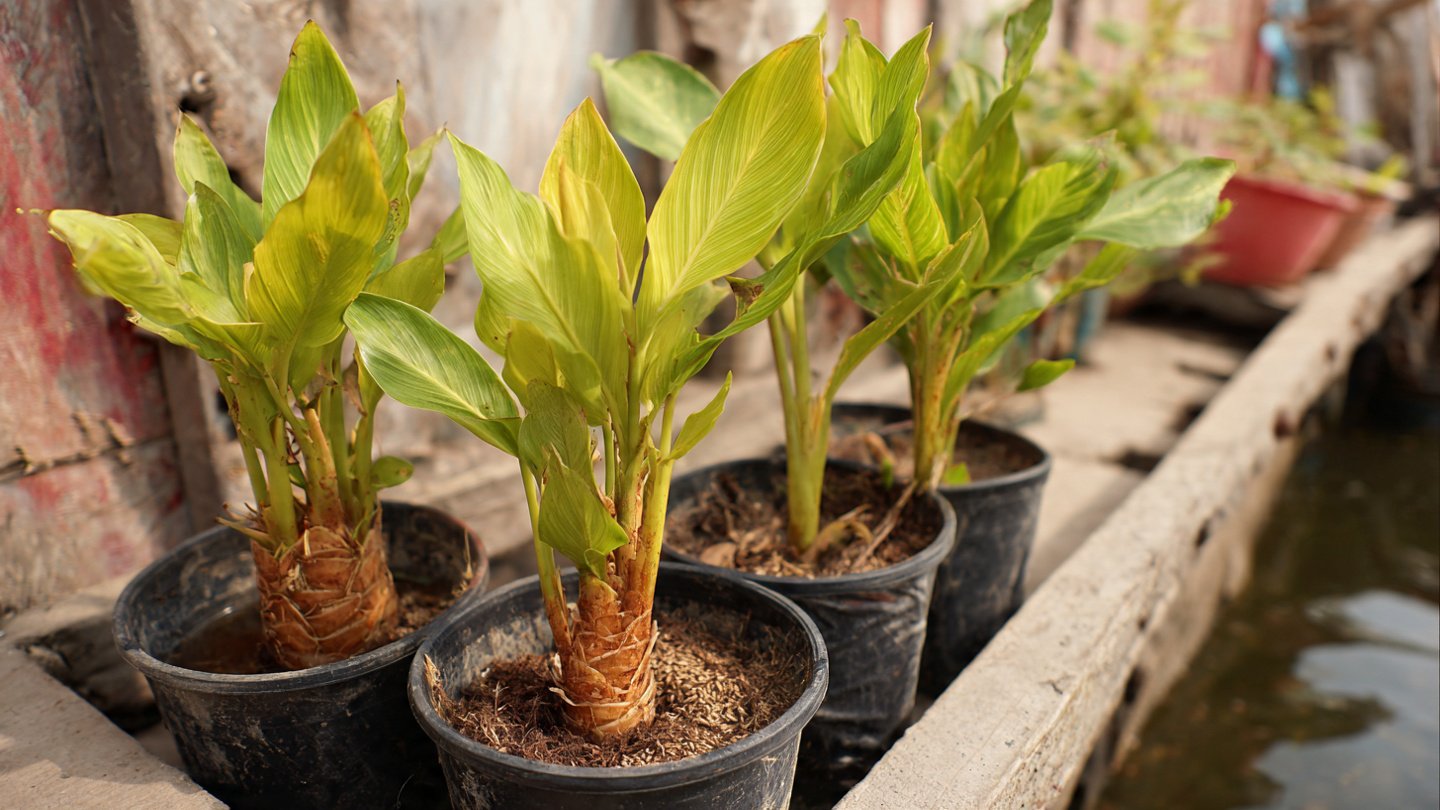
Turmeric (Curcuma longa) is a vibrant, yellow-orange rhizome known for its culinary and medicinal properties. It has gained tremendous popularity in recent times, not only for its flavor and color but also for its health benefits. For those with limited gardening space, growing turmeric in containers is a perfect solution. Here’s a comprehensive guide on best practices for growing turmeric in containers to maximize yield.
Understanding Turmeric
Before delving into growing turmeric, it’s essential to understand its growth cycle:
- Growth Habit: Turmeric grows from rhizomes, which are underground stems that produce roots and shoots. The plant can grow up to 3-4 feet tall and develops large, lush green leaves.
- Climate: A tropical plant, turmeric thrives in warm, humid environments. Ideally, it requires temperatures between 68°F to 86°F (20°C to 30°C) for optimal growth.
- Growing Period: Turmeric typically takes about 7 to 10 months to mature. The time can vary based on the variety and climate.
Selecting the Right Container
Size and Material
When growing turmeric in containers, choosing the right pot is crucial for maximizing yield.
- Size: Opt for deep containers that are at least 12 inches (30 cm) deep and 18 inches (46 cm) wide. Turmeric roots are extensive and need ample space to grow.
- Material: Plastic, ceramic, or wooden pots can be used, but ensure they have adequate drainage holes to prevent waterlogging, which can lead to root rot.
Drainage Considerations
Turmeric dislikes waterlogged conditions. Thus, it’s essential to ensure proper drainage in your chosen container. If your container doesn’t come with drainage holes, consider drilling them or using a different pot. A layer of gravel at the bottom can also aid drainage.
Choosing and Preparing Soil
Soil Composition
Turmeric thrives in well-draining, fertile soil. A blend of soil types ensures healthy growth:
- Potting Mix: Use a high-quality potting mix as a base.
- Organic Matter: Incorporate compost or well-rotted manure to enrich the soil with nutrients.
- Perlite or Sand: Add perlite or sand to enhance drainage.
A pH level of around 6.0 to 7.0 is ideal for turmeric. Consider testing your soil’s pH and adjusting if necessary.
Preparing the Soil
- Mix the Ingredients: Combine potting mix, compost, and perlite in equal parts.
- Moisten the Soil: Before planting, ensure the soil is moist, but not soggy.
- Fill the Container: Fill the container, leaving about an inch (2.5 cm) of space at the top for watering.
Selecting and Planting Rhizomes
Choosing Rhizomes
- Purchase fresh turmeric rhizomes from a reputable nursery or store. Look for firm, plump rhizomes with visible buds or “eyes.”
- Avoid dried or shriveled rhizomes, as they may not sprout.
Planting Process
- Cutting Rhizomes: If using large rhizomes, cut them into pieces, ensuring each piece has at least one bud.
- Planting Depth: Plant the rhizomes about 2-4 inches (5-10 cm) deep in the soil, with the bud facing upwards.
- Spacing: Space rhizomes about 12 inches (30 cm) apart to allow for growth and airflow.
Watering and Fertilizing
Watering
Turmeric needs consistent moisture, especially during the growing season:
- Frequency: Water the plant deeply once a week, ensuring the soil remains consistently moist but not soggy.
- Mulching: Apply a layer of organic mulch to retain moisture and suppress weeds.
Fertilization
Feed your turmeric plants every month using a balanced, organic fertilizer:
- NPK Ratio: Look for a fertilizer with an NPK ratio of around 10-10-10 or similar.
- Application: Mix the fertilizer into the top inch (2.5 cm) of soil, ensuring you follow the manufacturer’s instructions.
Light and Temperature Requirements
Sunlight
Turmeric requires plenty of sunlight, but it also thrives in partial shade:
- Ideal Conditions: Aim for at least 6 hours of indirect sunlight each day. Too much direct sunlight can scorch the leaves.
- Location: A patio, balcony, or well-lit indoor space can be ideal for turmeric containers.
Temperature
Ensure your turmeric is protected from extreme temperatures:
- Ideal Range: Maintain temperatures between 68°F to 86°F (20°C to 30°C).
- Frost Protection: If growing in regions susceptible to frost, bring containers indoors or cover them during colder months.
Pest and Disease Management
Common Pests
Be vigilant against pests that can affect turmeric plants:
- Aphids: Small sap-sucking insects that can weaken the plant.
- Spider Mites: These may lead to leaf damage if not managed promptly.
Disease Issues
Some common diseases include:
- Fungal Infections: Prevent root rot by ensuring proper drainage and preventing over-watering.
- Bacterial Wilt: Ensure good air circulation around your plant.
Management Strategies
- Natural Pesticides: Use neem oil or insecticidal soap to treat infestations.
- Cultural Practices: Rotate crops and practice proper hygiene in your gardening area to minimize disease risk.
Harvesting Turmeric
Signs of Maturity
After about 7 to 10 months, turmeric will be ready for harvest:
- Leaf Cues: When the leaves turn yellow and start to die back, it indicates that the rhizomes are mature.
- Seasonal Consideration: Harvest during the dry season for better quality.
Harvesting Process
- Loosening the Soil: Carefully loosen the soil around the rhizomes with a garden fork or trowel.
- Pulling Out the Rhizomes: Gently pull out the rhizomes, being careful not to damage them.
- Cleaning: Rinse the rhizomes to remove soil and let them dry in a shaded location for a few hours.
Storing Fresh Turmeric
After harvesting, proper storage is essential:
- Short-term Storage: Keep fresh turmeric in a cool, dry place to preserve its freshness.
- Long-term Storage: Alternatively, you can dry the rhizomes and store them in an airtight container away from sunlight.
Conclusion
Growing turmeric in containers is an achievable and rewarding endeavor, especially for those with limited garden space. By following the best practices outlined above—from selecting containers and soil to proper care and harvesting techniques—you can maximize yield and enjoy the numerous benefits this vibrant herb offers.
FAQs
1. How long does it take to grow turmeric?
Turmeric typically takes 7 to 10 months to mature, depending on the variety and growth conditions.
2. Can I grow turmeric indoors?
Yes, turmeric can be grown indoors as long as it receives adequate light and warmth. A south-facing window or grow lights can work well.
3. What pests should I watch for when growing turmeric?
Common pests include aphids, spider mites, and whiteflies. Regular monitoring can help catch infestations early.
4. How often should I fertilize turmeric?
Fertilize turmeric plants once a month with a balanced organic fertilizer to ensure healthy growth.
5. Can I grow turmeric from store-bought rhizomes?
Yes, you can grow turmeric from fresh, store-bought rhizomes. Choose ones that are firm and have visible buds.
6. What is the best way to store fresh turmeric?
Store fresh turmeric in a cool, dry place, or dry the rhizomes and keep them in an airtight container for long-term storage.
By utilizing these best practices in your turmeric container gardening journey, you’ll enjoy impressive yields and the satisfaction of growing this beneficial and beautiful plant in your own home. Happy gardening!