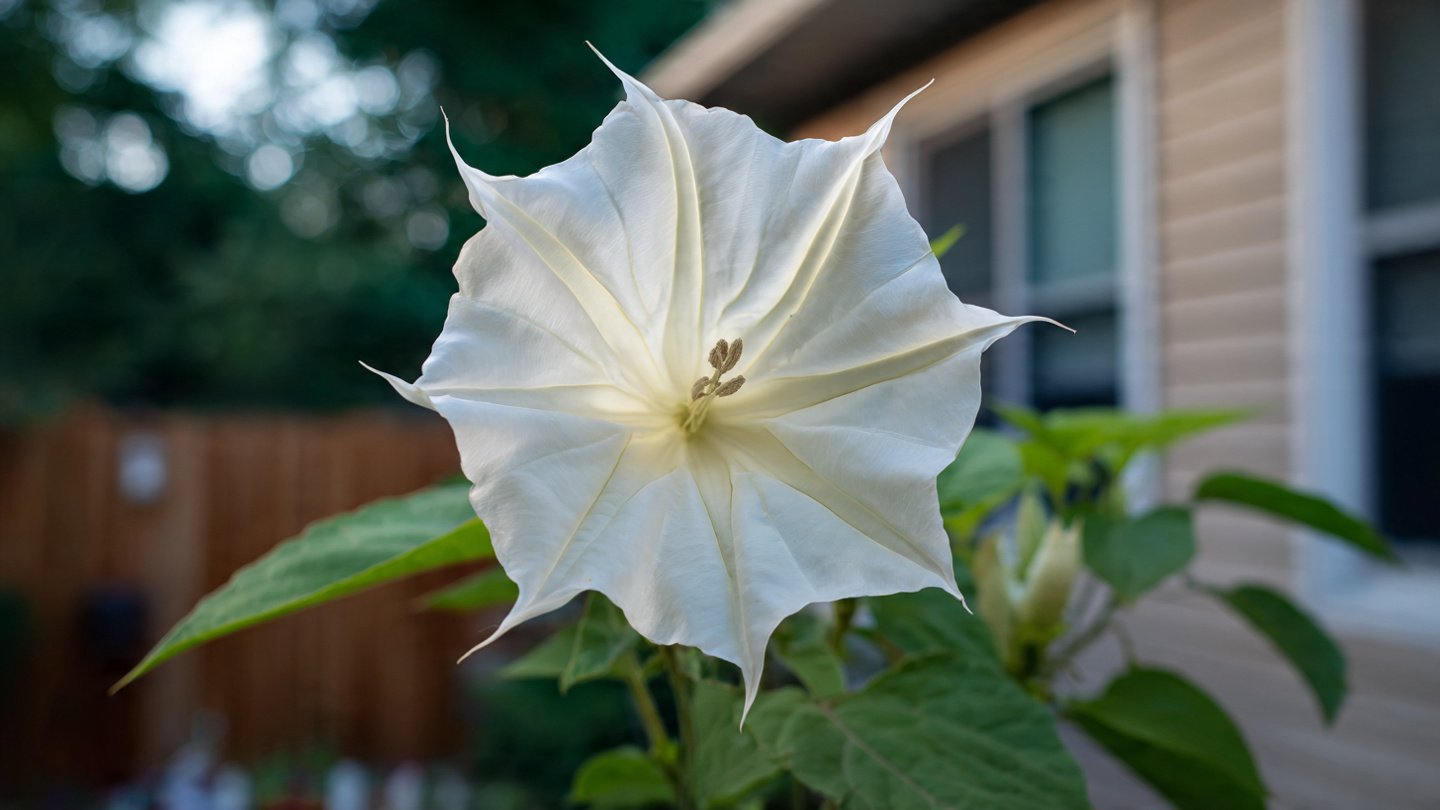
Moonflowers (Ipomoea alba) are a breathtaking addition to any garden, offering a unique allure with their large white blooms that open in the evening and emit a delightful fragrance. These stunning flowers not only beautify your landscape but also attract pollinators like moths and hummingbirds. In this guide, we’ll delve into the various aspects of growing moonflowers successfully in your home garden, including planting, care, and harvesting.
Understanding Moonflowers
What Are Moonflowers?
Moonflowers belong to the morning glory family and are native to tropical and subtropical regions of the Americas. They are perennial vines that can grow up to 15 feet long, making them perfect for covering trellises, fences, and walls. The flowers bloom at night, which is why they are called moonflowers, and their fluted, trumpet-like shape adds a dramatic flair to your garden.
The Importance of Vines in Gardening
Vines like moonflowers not only serve aesthetic purposes but also provide practical advantages. They can improve vertical space utilization and create a natural privacy screen. Moreover, they can help regulate temperature and humidity in your garden.
Planting Moonflowers
Choosing the Right Location
Moonflowers thrive in full sun to partial shade, so choose a spot that receives at least 6-8 hours of sunlight daily. They prefer well-draining soil that is rich in organic matter. In case your soil is heavy clay or sandy, consider amending it with compost or well-rotted manure.
Preparing the Soil
- Soil Testing: Conduct a soil test to determine pH and nutrient levels. Moonflowers prefer slightly acidic to neutral pH (6.0 – 7.0).
- Amending Soil: Add organic matter to improve soil structure. Use compost or aged manure to enrich the soil.
- Tilling: Loosen the soil to a depth of about 12-15 inches to promote healthy root growth.
Sowing the Seeds
Moonflowers can be grown from seeds or nursery plants. The seeds have a hard coating, so pre-soaking them in water for 24 hours will speed up germination.
- Direct Sowing: Plant seeds outdoors after the last frost. Sow them 1 inch deep and about 12-18 inches apart.
- Indoor Seed Starting: If you prefer a head start, sow seeds indoors 6-8 weeks before the last frost. Use seed trays with a seed-starting mix.
Supporting Your Vines
Given their climbing nature, providing adequate support is essential:
- Trellises: Install wooden or metal trellises that can withstand the weight of mature plants.
- Arbors and Fences: Utilize existing structures, and guide the vines with soft ties to prevent damage.
Caring for Moonflowers
Watering
Moonflowers prefer moderate moisture but can tolerate brief periods of drought. Ensure consistent watering during dry spells, generally aiming for about 1 inch of water per week.
- Watering Technique: Water deeply to encourage deep root growth. Early morning is the best time for watering to reduce evaporation.
Fertilizing
Moonflowers benefit from a balanced fertilizer:
- Type: Use a slow-release fertilizer at the time of planting. A formula like 10-10-10 works well.
- Frequency: Fertilize again every 4-6 weeks during the growing season as needed.
Pruning and Training
To promote bushier growth and more blooms:
- Pinch Back: Pinch back the tips of young vines when they reach about 12 inches to encourage side growth.
- Remove Dead Flowers: Regularly deadhead spent blooms to encourage continuous flowering throughout the season.
Pest and Disease Management
While moonflowers are relatively pest-resistant, they can be prone to specific issues:
- Common Pests: Monitor for aphids, spider mites, and whiteflies. Use insecticidal soap or neem oil for treatment.
- Diseases: Watch out for root rot and powdery mildew. Ensure adequate spacing for airflow and avoid overhead watering to mitigate these issues.
Harvesting Moonflower Seeds
If you wish to propagate your moonflowers, harvesting seeds is easy.
- Seed Pods: After flowering, allow the seed pods to dry on the vine. This usually occurs in late summer to early fall.
- Collecting Seeds: Once the pods turn brown and start to split, remove them and store the seeds in a cool, dry place.
Saving and Storing Seeds
Store seeds in a paper envelope, labeled with the date and type of flower, to maintain viability for future planting.
Creating a Moonlight Garden
Moonflowers are particularly enchanting in evening settings. Consider creating a moonlight garden filled with white and light-colored flowers that bloom at night. Combine moonflowers with:
- Evening Primrose
- Night-Blooming Jasmine
- Daturas
This combination will create a magical atmosphere that captivates your senses after dusk.
Troubleshooting Common Issues
- Slow Growth: Check if you’re providing enough sunlight and nutrients. Fertilize and ensure adequate water supply.
- Fewer Blooms: Lack of sunlight or high nitrogen levels can lead to lush foliage but fewer flowers. Adjust fertilization accordingly.
- Yellowing Leaves: This may indicate overwatering or mineral deficiency. Reduce watering and test the soil.
FAQs
1. Are moonflowers toxic to pets?
Yes, moonflowers are toxic to pets if ingested, leading to symptoms like vomiting and diarrhea. Keep them out of reach of pets and small children.
2. Can moonflowers survive winter?
Moonflowers are usually grown as annuals in colder climates, but in warmer regions (USDA Zones 10-11), they can return as perennials. In colder areas, consider bringing pots indoors or treating them as annuals.
3. How long do moonflowers bloom?
Moonflowers typically bloom from summer to early fall, with flowers opening in the evening and closing by morning. Their delightful scent attracts night pollinators.
4. Can I grow moonflowers in containers?
Yes, moonflowers can be successfully grown in large containers. Ensure the container has drainage holes and is filled with a nutrient-rich potting mix.
5. How often should I water moonflowers?
Moonflowers generally need about 1 inch of water per week. Adjust according to your local climate, ensuring the soil is moist but not waterlogged.
6. Do moonflowers need a lot of sun?
Moonflowers prefer full sun to partial shade, ideally requiring 6-8 hours of sunlight daily for optimal growth and blooming.
7. Can I propagate moonflowers from cuttings?
While seed propagation is most common, you can also propagate moonflowers from cuttings. Take 6-inch cuttings in early summer, remove lower leaves, and place them in water or a potting mix.
Conclusion
Successfully growing moonflowers can brighten your garden and create a serene nighttime landscape. With proper planning, attention to growing conditions, and care, these stunning night bloomers can thrive in your home garden. Use the information in this guide to cultivate your moonflower patch, creating a stunning visual and olfactory experience as the sun sets. Happy gardening!