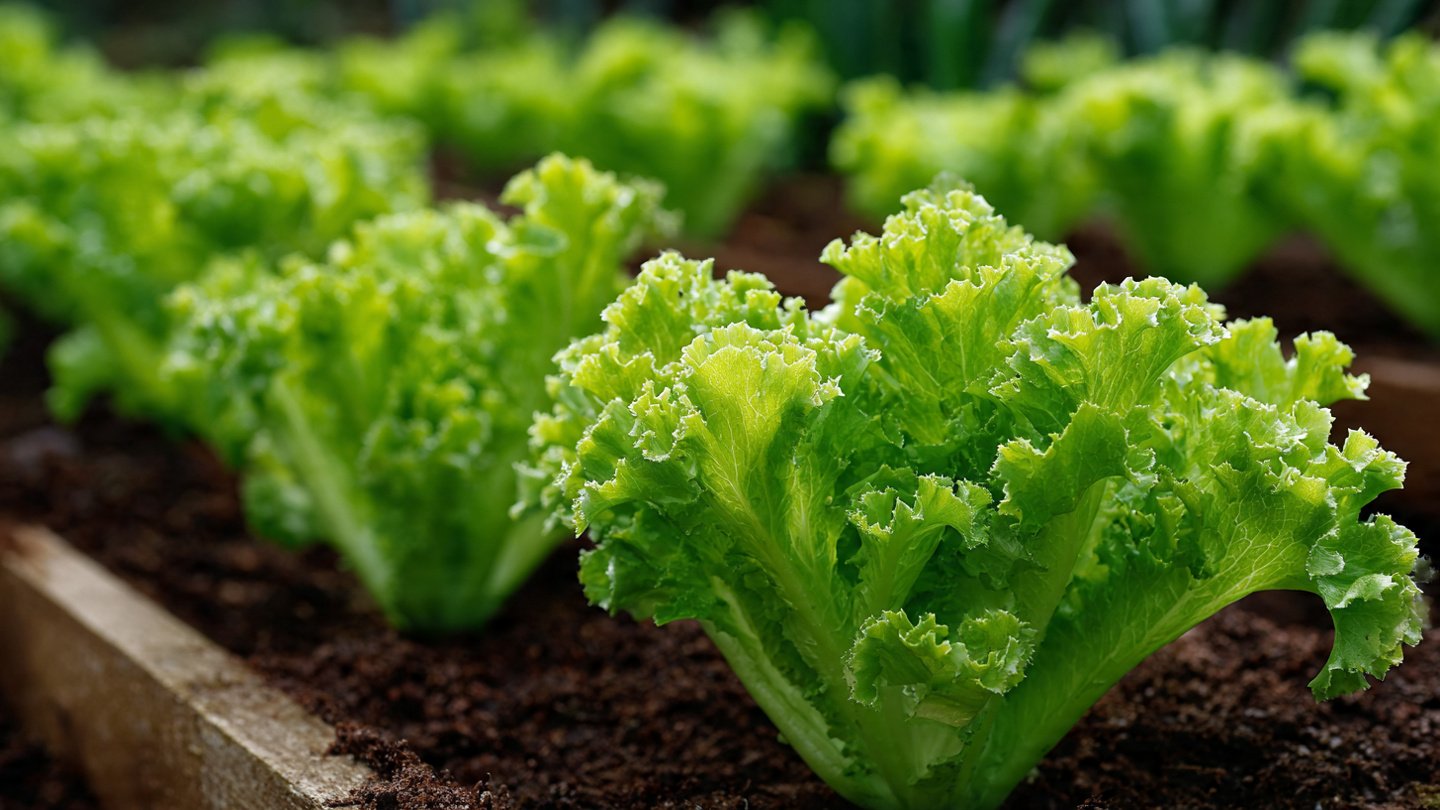
Frisée lettuce, known for its curly, frilled leaves and distinctive bitter flavor, has been gaining popularity in salads and gourmet dishes. As a cool-season crop, it’s fairly easy to grow at home. However, achieving a crisp and flavorful harvest requires knowledge of its unique growing needs. This article will guide you through the best methods to cultivate frisée lettuce, from seed selection to gardening tips, as well as covering common problems and solutions.
Choosing the Right Variety
When growing frisée lettuce, it’s essential to choose the right variety. Common varieties include:
-
‘Green Frisée’: This classic variety is known for its bright green leaves and crunchy texture.
-
‘Bistro’: A compact grower that’s ideal for smaller gardens or containers.
-
‘Romaine Frisée’: This hybrid combines the crispness of Romaine with the frilled leaves of frisée.
Evaluating your gardening space, climate, and desired taste profile will help you decide which variety to plant.
Where to Plant Frisée Lettuce
Frisée lettuce thrives in well-draining soil with a neutral to slightly acidic pH (around 6.0 to 7.0). It prefers full sun but can tolerate partial shade, especially in hotter climates.
When selecting a location, keep in mind:
- Sunlight: Aim for at least 4-6 hours of direct sunlight per day.
- Soil Quality: Test your soil and amend it with organic compost or peat moss to improve fertility and drainage.
- Space: Choose a spot that allows for good air circulation to minimize fungal issues.
Sowing Seeds
Timing
Frisée lettuce is a cool-weather crop, making it best to plant in early spring or late summer/early fall. The ideal soil temperature for germination is between 60-70°F (15-21°C).
You can choose to start seeds indoors 4-6 weeks before your last expected frost date or sow them directly in the garden once the soil has warmed.
Sowing Techniques
-
Direct Sowing:
- Prepare the soil by loosening it and adding organic compost.
- Sow seeds about 1/4 inch (0.6 cm) deep with a spacing of 12-18 inches (30-45 cm) between rows.
- Water gently to avoid displacing the seeds.
-
Indoor Seed Starting:
- Use seed trays with seed-starting mix.
- Sow seeds about 1/4 inch deep, keep them moist, and provide warmth using a heat mat.
- Once seedlings emerge and have at least two true leaves, transplant them outdoors when conditions are appropriate.
Caring for Your Frisée Lettuce
Watering
Frisée lettuce requires consistent moisture to thrive. It is crucial to:
- Water deeply at least once a week, providing about 1-1.5 inches (2.5-4 cm) of water, especially during dry spells.
- Use drip irrigation or soaker hoses to keep moisture steady while minimizing leaf wetness to prevent diseases.
Fertilizing
Feed your frisée lettuce with a balanced, slow-release fertilizer high in nitrogen at the time of planting and again every four weeks. Organic options include:
- Fish emulsion
- Blood meal
- Compost tea
These will encourage robust leaf growth and maintain the crisp texture characteristic of frisée.
Weeding and Mulching
Regular weeding is crucial, as weeds compete for nutrients and moisture. Use mulch, such as straw or grass clippings, to suppress weed growth, retain moisture, and nourish the soil as it decomposes.
Pest and Disease Management
Common pests affecting frisée lettuce include aphids, slugs, and caterpillars:
- Aphids: Use insecticidal soap or introduce predatory insects like ladybugs.
- Slugs: Employ traps, barriers, or natural slug repellents like diatomaceous earth.
- Caterpillars: Handpick or use organic pesticides.
Frisée lettuce is also susceptible to diseases like downy mildew and root rot. Ensure good air circulation and avoid overhead watering to combat these issues.
Harvesting Frisée Lettuce
When to Harvest
Frisée lettuce is typically ready for harvest 70-90 days after sowing, depending on the variety. The leaves should be a vibrant green and have a good curl.
You can harvest in two primary ways:
- Cut and Come Again: Cut outer leaves, leaving the inner leaves to continue growing for multiple harvests.
- Whole Head: If you prefer a full head, harvest when the plant is about 6-8 inches tall.
Post-Harvest Care
After harvesting, rinse the lettuce leaves gently in cold water to remove dirt and insects. Pat them dry with a clean cloth or salad spinner to reduce moisture and prevent spoilage.
Storage
For best freshness, store frisée lettuce in a perforated plastic bag in the refrigerator. It can last up to a week. Avoid washing until you are ready to use the leaves, as excess moisture can lead to wilting.
Tips for Success
- Rotate Crops: Avoid planting frisée lettuce in the same spot year after year to prevent soil-borne diseases.
- Succession Planting: Plant seeds every 2-3 weeks for a continuous harvest throughout the growing season.
- Shade Cloth: In hotter months, use shade cloth to reduce stress from high temperatures.
Frequently Asked Questions (FAQs)
1. Can frisée lettuce be grown in containers?
Yes, frisée lettuce can be grown in containers. Ensure that the pot is at least 6-8 inches deep and has good drainage holes. Use high-quality potting soil and ensure adequate sunlight.
2. Why are my frisée lettuce leaves turning yellow?
Yellowing leaves may indicate nutrient deficiency or inconsistent watering. Ensure you are providing adequate water and nutrients. Conduct a soil test to identify any deficiencies.
3. How do I know when to stop watering my frisée lettuce?
Stop watering when the weather becomes significantly cooler or as the plants start to mature. Signs of overwatering include mushy stems and wilting.
4. Can frisée lettuce survive frost?
Frisée lettuce is hardy and can tolerate light frost. However, exposure to hard freezes may damage the plants. Cover them with frost cloth or move containers indoors on particularly cold nights.
5. How often should I fertilize frisée lettuce?
Fertilize your frisée lettuce every four weeks with a balanced slow-release fertilizer to ensure healthy growth and optimal leaf quality.
Conclusion
Growing frisée lettuce can be a rewarding endeavor, yielding fresh, crisp greens for your salads and culinary creations. By following the tips and guidelines provided, you can ensure a successful harvest every time. Happy gardening!