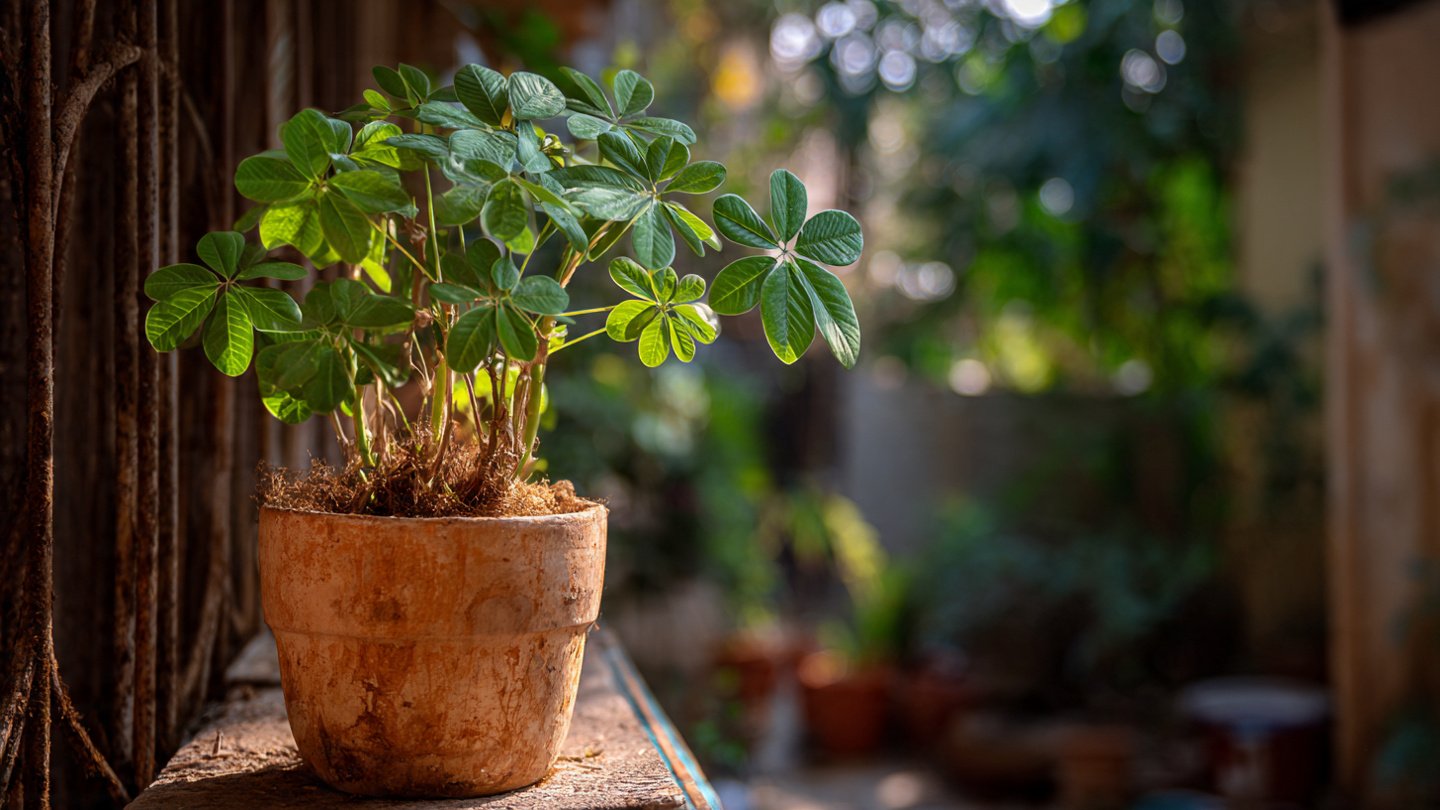
Growing groundnuts, or peanuts, at home can be an exciting and rewarding experience. Not only do they make a delicious snack, but they also serve as a valuable source of protein and healthy fats. For beginners, the thought of growing any plant in a pot can seem daunting, but with the right guidance, it can be a simple process. This article dives into an easy trick to grow groundnuts in a pot, perfect for urban gardeners or those with limited space.
Understanding Groundnuts
Groundnuts are unique because they grow underground. They sprout above the soil, but the peanut pods develop at the root level. Groundnuts require a warm climate, well-drained soil, and plenty of sunlight. Typically, they thrive in USDA zones 3–10, but you can grow them indoors or on balconies with the right care.
What You’ll Need
Before diving into the planting process, gather the following materials:
-
Containers: Select pots with a minimum depth of 12 inches and adequate drainage holes. Buckets, flower pots, or even large recycled containers can work.
-
Soil: Use a good quality, well-draining potting mix. A combination that includes sand, perlite, and organic compost is ideal.
-
Seeds: Purchase raw, unsalted peanuts from a reliable source. Ensure they are not roasted since they won’t germinate.
-
Water: A watering can or hose for irrigation.
-
Sunlight: A sunny spot that receives at least 6-8 hours of sunlight daily.
The Easy Trick
The secret to successfully growing groundnuts in pots is planting them in pairs. This technique not only maximizes space but also enhances pollination and pod development.
Step-by-Step Guide
Step 1: Preparing the Pot
-
Drainage: Ensure your pot has holes at the bottom to prevent waterlogging.
-
Layering: Add a layer of small stones or gravel at the bottom of the pot to further facilitate drainage. Follow this with a layer of potting soil, filling it to about half the pot’s depth.
Step 2: Planting the Seeds
-
Soaking Seeds: Before planting, soak the peanuts in water for 24 hours. This process softens the shell and aids germination.
-
Sowing Seeds: After soaking, moisten the soil in your pot. Embed two peanuts about 2 inches deep and 4 inches apart. Cover them lightly with soil.
-
Spacing: If you have a larger container, you can plant 4-6 pairs of seeds, ensuring enough space for growth.
Step 3: Watering
- Water the seeds lightly after planting. Maintain consistent soil moisture without over-watering.
- Aim to keep the soil damp but not soggy. A general rule is to check the soil every few days and water when the surface feels dry.
Step 4: Sunlight and Temperature
- Place the pot in a warm location that receives ample sunlight. Groundnuts prefer temperatures between 70°F to 90°F (21°C to 32°C).
- If growing indoors, you might use grow lights to supplement natural sunlight.
Step 5: Fertilization
- About three weeks after planting, feed your groundnuts with a balanced fertilizer or compost. This ensures they have the nutrients needed for robust growth.
Step 6: Supporting Growth
- As the plants grow, you may notice flowers beginning to develop above ground. These flowers will need to ‘peg’ into the soil to form the pods.
- You may need to gently push down the flower stalks to ensure they submerge into the soil after they bloom.
Step 7: Harvesting
-
Timing: Groundnuts typically take 120-150 days to mature after planting. Monitor leaves for signs of yellowing, which often indicates readiness for harvest.
-
Harvest: Carefully dig around the base of the plants and gently lift them out of the pot. Ensure you retrieve the entire plant, as the peanuts are rooted deep in the soil.
-
Curing: After harvesting, allow the peanuts to dry in a warm, ventilated area for several weeks before consumption.
Maintenance Tips
- Pest Management: Keep an eye out for aphids, caterpillars, and other pests. Handpick them or use organic pesticides if necessary.
- Weed Control: Regularly check for weeds and remove them to prevent competition for nutrients.
- Water Monitoring: Adjust your watering based on environmental conditions. Hotter days may require more frequent checks.
FAQs
Q1: Can I grow groundnuts indoors?
Yes, with sufficient light (like grow lights) and the right potting mix, groundnuts can thrive indoors too.
Q2: How deep should I plant groundnuts?
Plant them approximately 2 inches deep, spacing them about 4 inches apart.
Q3: What is the best time to plant groundnuts?
Plant groundnuts in late spring when the risk of frost has passed, or any time indoors if you’re using grow lights.
Q4: Do groundnuts need a lot of fertilizer?
Groundnuts require a balanced fertilizer or organic compost but avoid over-fertilizing, which can impair growth.
Q5: How can I tell when groundnuts are ready to harvest?
When the leaves start to yellow and fall off, it’s usually a sign that the groundnuts are ready for harvest.
Q6: Can I use salted peanuts as seeds?
No, salted or roasted peanuts won’t germinate. Use raw, unsalted peanuts.
Q7: What are common diseases affecting groundnuts?
Fungal diseases like leaf spot and root rot can affect them. Ensure proper watering and soil drainage to reduce risk.
Conclusion
Growing groundnuts in pots is not only feasible but enjoyable for beginners. With the right materials and care, you can cultivate your own peanut plants, offering fresh, delicious nuts right from your balcony. Remember the key trick of planting in pairs, and enjoy the satisfaction of harvesting your crop in a few months. Happy gardening!