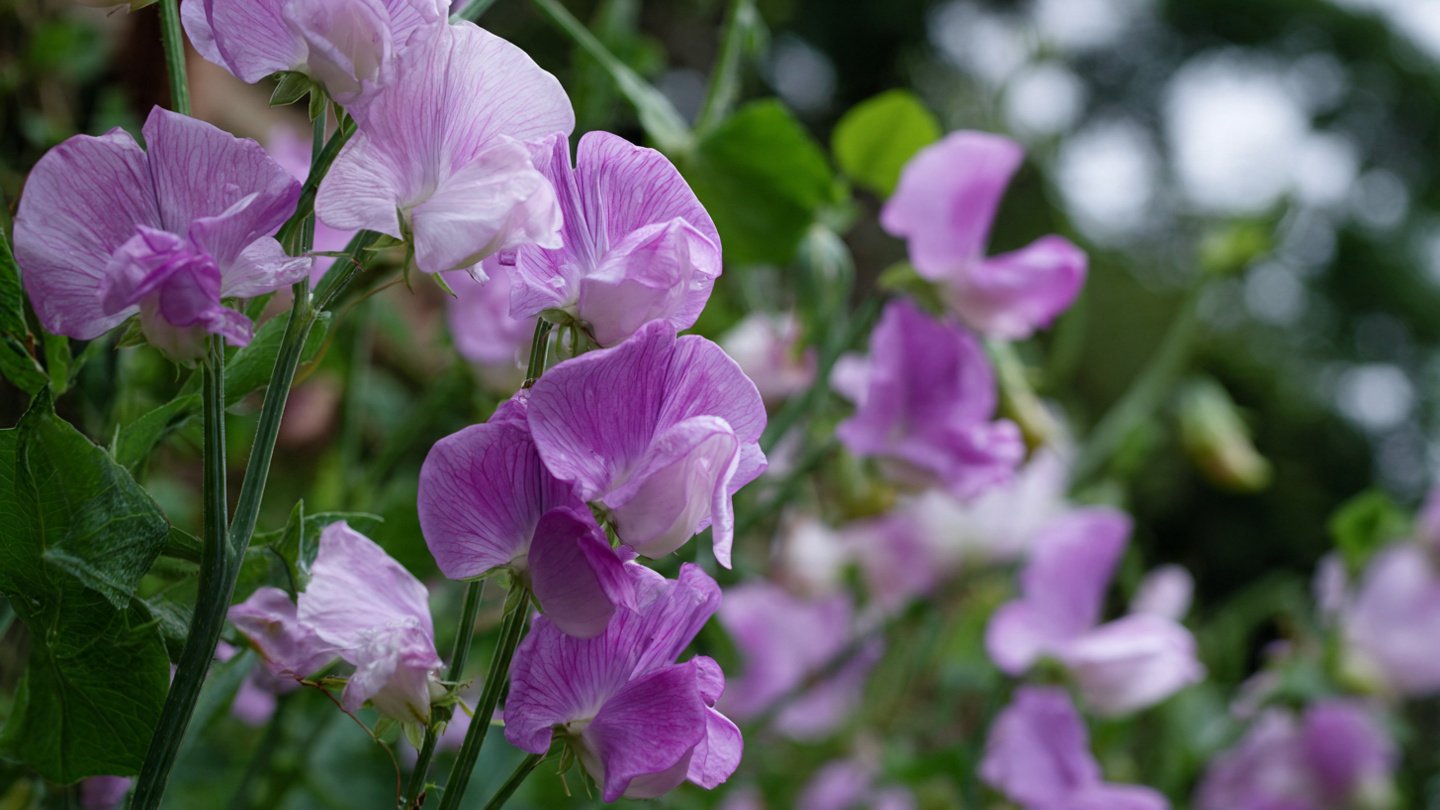
If you envision a garden adorned with vibrant colors, delightful fragrances, and a touch of nostalgia, sweet pea climbers (Lathyrus odoratus) are a worthy addition to your planting repertoire. Known for their delicate blossoms in an array of colors and their intoxicating scent, sweet peas are not only beautiful but also surprisingly simple to grow at home with minimal effort. In this guide, we will explore the essential steps for cultivating sweet pea climbers, tips for maximizing their growth, and some frequently asked questions to help you along your gardening journey.
Understanding Sweet Peas
Sweet peas are annual flowering plants belonging to the legume family. They originate from the Mediterranean region and are particularly loved for their fragrant blooms, which typically appear in spring and early summer. These climbers can grow up to 6 feet tall and are perfect for trellises, fences, and even containers. With their vibrant colors and delightful scent, sweet peas attract pollinators, making them a beautiful addition to any garden setup.
Benefits of Growing Sweet Peas
-
Aesthetic Appeal: With colors ranging from soft pastels to vivid hues, sweet peas add a burst of color to your garden space.
-
Fragrance: The sweet scent of these flowers is unparalleled and can enhance the overall sensory experience of any garden.
-
Attracts Pollinators: Sweet peas are known to attract bees and butterflies, promoting biodiversity in your garden.
-
Companion Planting: As members of the legume family, sweet peas can enrich the soil with nitrogen, benefiting nearby plants.
-
Cost-Effective: Growing sweet peas from seed is a low-cost method of obtaining gorgeous flowers, especially when compared to purchasing cut flowers.
Steps to Grow Sweet Pea Climbers
1. Choosing the Right Location
Sweet peas thrive in full sun, requiring at least 6 to 8 hours of sunlight each day. Choose a location with good drainage, as waterlogged soil can lead to root rot. If you’re planting in a container, ensure it has drainage holes.
2. Preparing the Soil
Sweet peas prefer well-draining, fertile soil enriched with organic matter. Here’s how to prepare the soil:
- Testing Soil pH: Sweet peas flourish in neutral to slightly alkaline soil (pH 6.5 – 7.5). Test your soil and make amendments as needed.
- Adding Organic Matter: Incorporate compost or well-rotted manure into the planting area. This not only enriches the soil but also improves drainage.
3. Sowing Seeds
Sweet peas can be sown directly outdoors or started indoors for an earlier bloom.
- Direct Sowing: Plant seeds 1 inch deep and 2 to 3 inches apart. Rows should be spaced about 6 to 12 inches apart to facilitate air circulation.
- Starting Indoors: For an early start, sow seeds in biodegradable pots 6-8 weeks before the last expected frost date. Transplant them outdoors once the risk of frost has passed.
4. Supporting Your Climbers
Given their climbing nature, sweet peas will require support as they grow. This can be achieved through:
- Trellises: Wooden or metal trellises can provide strong support. Choose one that is at least 5-6 feet tall.
- Fences: Utilize existing fences as climbing surfaces, but ensure they can withstand the weight of the plants.
- Netting: For smaller garden spaces, use gardening netting stretched between stakes.
5. Watering
Newly planted sweet peas require regular watering, especially until they establish themselves. Here’s a watering guideline:
- Consistent Moisture: Keep the soil consistently moist but not waterlogged. Water early in the morning to minimize evaporation.
- Mulching: Applying an organic mulch can help retain moisture and suppress weeds.
6. Fertilizing
Sweet peas are relatively low-maintenance when it comes to fertilization, but they can benefit from light feeding as they grow. Use a balanced, slow-release fertilizer during planting and then a diluted liquid fertilizer every few weeks.
7. Pest and Disease Management
While sweet peas are generally hardy, they may face threats from common pests like aphids and diseases like powdery mildew.
- Pest Control: Monitor for aphids and, if necessary, use a gentle insecticidal soap.
- Preventing Diseases: Ensure good air circulation by proper spacing. If powdery mildew occurs, remove affected leaves and avoid overcrowding.
8. Harvesting
Sweet peas are a joy to grow, and harvesting them can be equally rewarding. For best results:
- Cutting Flowers: Cut sweet pea stems early in the morning when the blooms are fully open. Snipping just above a leaf node encourages new growth.
- Enjoying the Fragrance: Place freshly cut flowers in water immediately to prolong their lifespan. Enjoy their delightful aroma in your home or gift to friends.
9. End of Season Care
As winter approaches, sweet pea plants will finish their life cycle. If you’re in a mild climate, you can leave the roots in the ground to add organic matter. In colder areas, remove the plants and compost them to prepare your garden for next spring.
Tips for Success
- Seed Soaking: Soak seeds in water for 24 hours before planting to enhance germination rates.
- Pinching Back: Pinch back the tops of new shoots to encourage bushier growth.
- Companion Planting: Consider planting with other nitrogen-fixing plants like beans to promote soil health.
FAQs
1. When is the best time to plant sweet peas?
The ideal time to plant sweet peas is early spring, around 6-8 weeks before the last frost date in your area. Alternatively, you can sow seeds in the fall in mild climates.
2. How tall do sweet pea climbers grow?
Sweet pea climbers can reach heights of 5–6 feet, making them suitable for trellises and fences.
3. Do sweet peas need full sun?
Yes, sweet peas thrive in full sun, requiring at least 6 to 8 hours of sunlight per day for optimal growth.
4. Can sweet peas survive winter?
Sweet peas are typically annuals and won’t survive frost. However, in mild climates, they can sometimes be grown as short-lived perennials.
5. What colors do sweet peas come in?
Sweet peas come in a wide range of colors, including pink, purple, blue, white, and even bicolored varieties. The diversity allows for beautiful displays in any garden.
6. How often should I water sweet peas?
Water sweet peas regularly, ensuring the soil is kept moist but not soggy. Typically, watering once or twice a week should suffice, depending on the weather.
7. What pests should I look out for?
Common pests include aphids, slugs, and snails. Regular monitoring and gentle pest control methods can help keep your plants healthy.
Conclusion
Growing sweet pea climbers at home can be a wonderfully simple and rewarding endeavor. With their stunning blooms and delightful fragrance, they not only enhance the beauty of your garden but also create an inviting atmosphere for pollinators. By following the straightforward steps outlined in this guide and employing a few best practices, you’ll be enjoying the sights and scents of sweet peas in no time. So grab your seeds, prepare your soil, and get ready to embrace the joys of gardening with sweet peas!