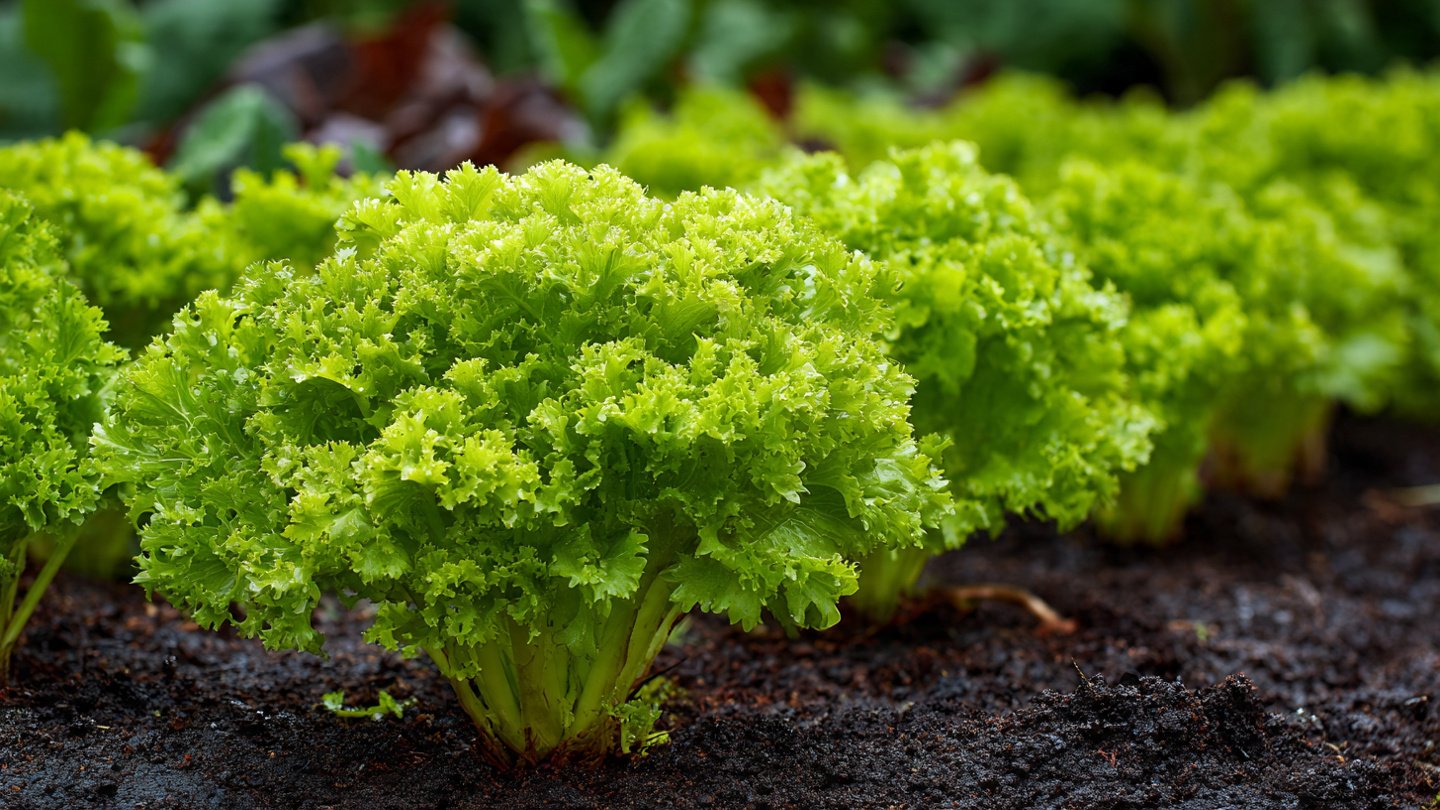
Frisée lettuce, with its distinctive curly leaves and slightly bitter taste, is a popular choice among chefs and home cooks alike. This leafy green is not only a visual delight on any plate but also a nutritious addition to salads, sandwiches, and various dishes. Growing frisée lettuce at home can be an enjoyable and rewarding experience. Whether you have a vast garden or just a small balcony, with the right knowledge and care, you can cultivate this exquisite varietal in your own space.
Chapter 1: Understanding Frisée Lettuce
What is Frisée Lettuce?
Frisée, scientifically known as Cichorium endivia, is a member of the chicory family. It has a unique texture and flavor profile — its curly, serrated leaves are both crisp and mildly bitter, making it an excellent addition to mixed greens or as a standalone salad. This lettuce is also known for its high nutritional value, being packed with vitamins A, C, and K, as well as essential minerals.
Varieties of Frisée Lettuce
While frisée lettuce itself is a specific type of endive, it comes in several varieties. The most common include:
- Green Frisée: The typical variety seen in grocery stores, characterized by its curly green leaves.
- Batavian Frisée: Known for a slightly thicker leaf and a sweeter flavor, making it suitable for various culinary applications.
- Red Frisée: A visually striking variety with reddish tips that adds color to your dishes.
Chapter 2: Growing Conditions
Climate Requirements
Frisée lettuce prefers moderate climates and is best grown in cool weather. Ideally, it thrives in temperatures between 60°F to 70°F (15°C to 20°C). While it can tolerate some heat, it is prone to bolting (going to seed) when exposed to high temperatures for extended periods.
Soil Requirements
Good soil is essential for growing frisée lettuce:
- Well-Drained: Ensure you have well-draining soil to prevent waterlogging, which can lead to root rot.
- pH Level: Aim for a soil pH between 6.0 and 6.8 for optimal growth.
- Organic Matter: Enrich your soil with organic matter such as compost, which enhances soil structure and provides nutrients.
Sunlight
Frisée lettuce thrives in full sun but can tolerate partial shade, especially during the hotter months. Aim for at least 6 hours of sunlight daily for robust growth.
Chapter 3: Planting Frisée Lettuce
When to Plant
Frisée can be grown in both spring and fall. For a spring planting, sow seeds indoors 4-6 weeks before the last frost date. For fall planting, aim to start seeds a few weeks before the first frost.
How to Plant
- Seed Selection: Choose high-quality frisée lettuce seeds from a reputable supplier.
- Sowing Seeds:
- Indoors: Use seed trays with a seed-starting mix. Sow seeds about ¼ inch deep and cover lightly. Keep moist and in a warm location.
- Outdoors: Directly sow seeds about 12 inches apart in rows spaced 18-24 inches apart.
- Thinning: Once seedlings emerge, thin them to about 6-8 inches apart to allow ample space for growth.
Chapter 4: Care and Maintenance
Watering
Consistent watering is essential. Aim to keep the soil consistently moist but not soggy. Using a drip irrigation system or soaker hose can provide even moisture without flooding the plants. During hot weather, check the soil daily.
Fertilizing
Frisée lettuce benefits from regular feeding with a balanced fertilizer. Use a nitrogen-rich fertilizer when the lettuce is young to encourage leafy growth. Once the plants are established, you can switch to a balanced fertilizer every 4-6 weeks.
Pest and Disease Management
Common pests that affect frisée lettuce include aphids, slugs, and caterpillars. To combat these:
- Aphids: Introduce beneficial insects like ladybugs or use insecticidal soap.
- Slugs: Handpick and remove or set up traps using beer.
- Caterpillars: Use floating row covers to protect young plants.
Diseases like downy mildew can also be detrimental. Ensure good airflow between plants and avoid overhead watering to reduce humidity.
Chapter 5: Harvesting Frisée Lettuce
When to Harvest
Frisée lettuce is typically ready to harvest 70-90 days after planting, depending on the variety. Look for the leaves to be fully formed but still tender.
How to Harvest
- Cutting: Use a sharp knife or scissors to cut the leaves just above the base of the plant.
- Continuous Harvesting: You can also harvest outer leaves as needed, allowing the inner leaves to continue growing.
- Post-Harvest Care: Store harvested frisée lettuce in a cool, humid place. It is best used fresh but can last up to a week in the refrigerator with proper storage.
Chapter 6: Common Challenges
Bolting
One of the biggest challenges with growing frisée lettuce is bolting, which occurs when the plant goes to seed due to stress from heat or drought. To avoid this:
- Monitor temperatures, and provide shade during extreme heat.
- Water consistently to prevent stress.
Yellowing Leaves
Yellowing leaves can be a sign of nutrient deficiency or overwatering. Ensure that you are following a proper fertilization schedule and provide adequate drainage.
Chapter 7: Culinary Uses and Storage
Culinary Uses
Frisée lettuce can be used in various dishes:
- Salads: Combine with other greens, nuts, and cheeses for an exquisite salad.
- Garnishes: Its striking appearance makes it a perfect garnish for soups and plates.
- Sandwiches: Use it as a crunchy layer in burgers and sandwiches.
Storage Tips
For maximum freshness, store frisée lettuce in a damp paper towel inside a plastic bag in the refrigerator. It’s best consumed within a week of harvest.
FAQs
1. Can frisée lettuce be grown in containers?
Yes, frisée lettuce can be successfully grown in containers. Ensure the container is at least 6 inches deep and has good drainage.
2. How often should I water frisée lettuce?
Water your frisée lettuce regularly, ideally 1-2 inches per week, adjusting for rainfall and heat.
3. Can I grow frisée lettuce indoors?
Yes, you can grow frisée lettuce indoors using containers and grow lights if sufficient sunlight is not available.
4. What pests should I watch for when growing frisée lettuce?
Common pests include aphids, slugs, and caterpillars. Use organic methods to manage them, such as introducing beneficial insects or using traps.
5. How do I know when to harvest frisée lettuce?
Harvest frisée lettuce when the leaves are fully formed but still tender. It usually takes 70-90 days after planting.
6. Is frisée lettuce suitable for beginners?
Absolutely! With its relatively easy growing process, frisée lettuce is a great choice for novice gardeners.
7. Can I save seeds from my frisée lettuce plants?
Yes, you can save seeds from frisée lettuce, but be cautious as they may not produce true to type, especially if cross-pollination occurred.
By following the steps outlined in this guide, you’re well on your way to cultivating frisée lettuce right at home. Not only will you enjoy the flavors and textures that this unique green adds to your dishes, but you’ll also experience the satisfaction of growing your own food, enhancing both your culinary skills and your gardening prowess. Happy gardening!