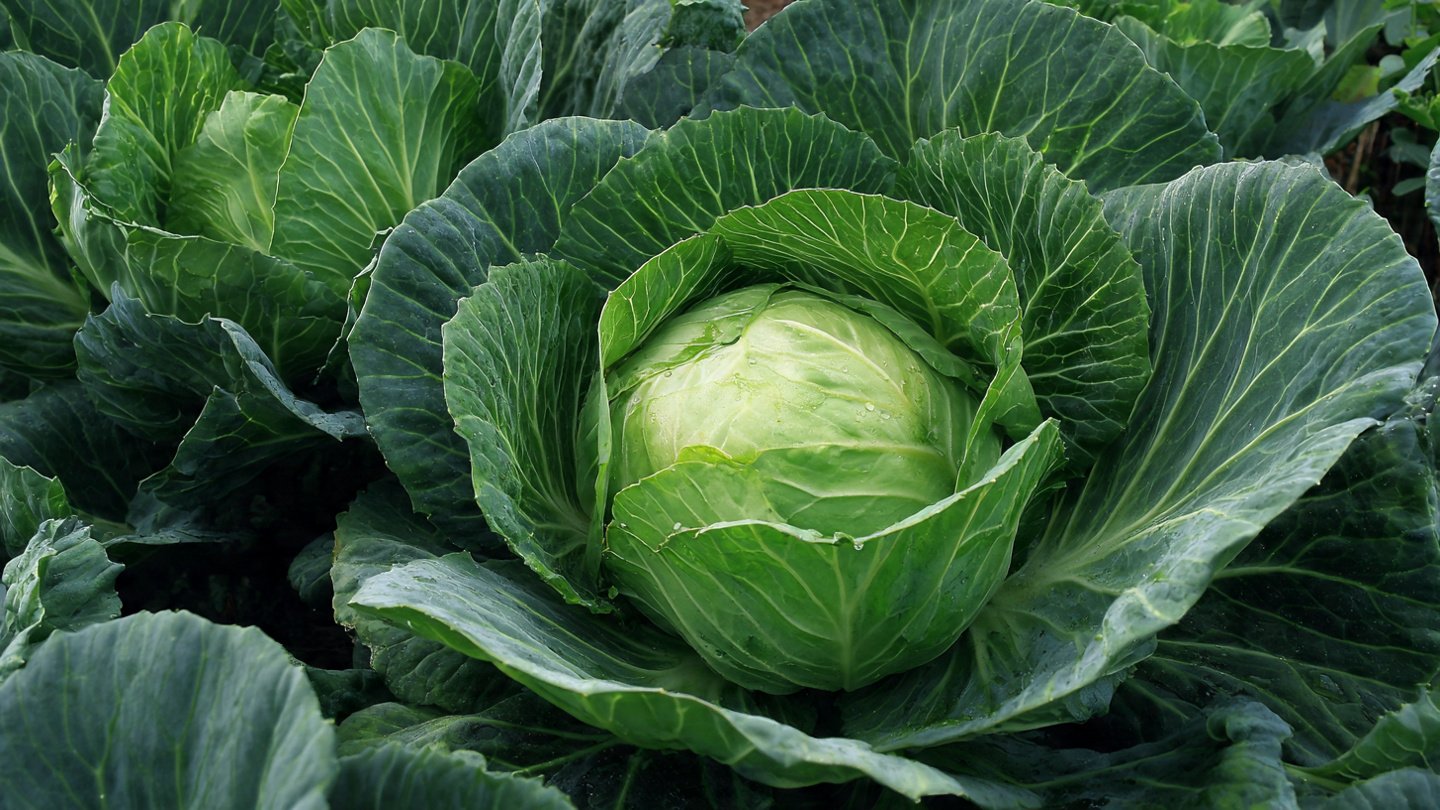
Cabbage is a versatile and nutritious vegetable that has been cultivated for thousands of years. The green cabbage variety is particularly popular for its crisp texture and slightly sweet flavor. Whether you want to enjoy fresh salads, hearty stews, or fermented dishes like sauerkraut, learning to cultivate green cabbage can be a rewarding experience. This guide will walk you through everything you need to know to successfully grow green cabbage, from seed selection to harvest, including tips, techniques, and common pitfalls to avoid.
Understanding Cabbage
Cabbage (Brassica oleracea) is a leafy green vegetable that belongs to the Brassicaceae family, which also includes broccoli, kale, and cauliflower. The green variety, known for its tight, round heads and vibrant color, is a cool-season crop, thriving in temperate climates.
Nutritional Benefits
Cabbage is not only versatile but also packed with nutrients. It’s high in Vitamin C, K, and several B vitamins, as well as fiber and antioxidants. Adding cabbage to your diet can support digestion, improve heart health, and boost your immune system.
Choosing the Right Variety
Though we’re focusing on green cabbage, you might encounter several hybrids and varieties available in the market. The following are some popular green cabbage varieties:
- Green Glaze: Known for its dense heads.
- Savoy: Offers crinkly leaves that are tender and flavorful.
- Early Jersey Wakefield: A favorite for quicker harvests.
Climate Considerations
Green cabbage thrives in cooler temperatures, ideally between 60°F and 70°F (15°C to 21°C). It can suffer in extreme heat or frost. Therefore, knowing your local climate and planting time is crucial for a successful harvest.
Getting Started
1. Preparing Your Garden Bed
Location: Choose a well-drained area that receives at least 6 hours of sunlight daily.
Soil Preparation: Cabbage prefers rich, loamy soil with a pH between 6.0 and 7.5. Before planting, amend the soil with compost or well-rotted manure to improve fertility and drainage.
Tillage: Turn the soil to a depth of about 12 inches (30 cm) to aerate it and break up any compacted layers.
2. Sowing Seeds
You can start cabbage seeds indoors or sow them directly in the garden.
Indoor Seed Starting:
- Sow seeds in seed trays about 6-8 weeks before the last frost.
- Keep the soil moist and provide adequate light, ideally using grow lights.
Direct Sowing:
- After the danger of frost has passed and the soil temperature is around 50°F (10°C), you can sow seeds directly into the garden.
- Plant seeds about 1/4 to 1/2 inch deep and space them 12-18 inches apart.
3. Seedling Care
If you started seeds indoors, transplant them when they have at least two true leaves. Handle the seedlings by the leaves to avoid damaging the delicate stems.
Watering: Keep the soil consistently moist but not waterlogged. Cabbage requires about 1-2 inches (2.5-5 cm) of water weekly.
Fertilizing: A balanced fertilizer (10-10-10) applied every 4-6 weeks will help ensure vigorous growth.
Pest and Disease Management
Cabbage can be susceptible to a variety of pests and diseases:
Common Pests:
- Aphids: Small insects that can cluster on leaves. Control them with insecticidal soap or neem oil.
- Cabbage Worms: Look for signs of chewing on leaves. Introduce beneficial insects like ladybugs or use organic methods such as Bacillus thuringiensis (Bt).
- Flea Beetles: Tiny jumping beetles that create holes in the leaves. Row covers can help protect young plants.
Common Diseases:
- Downy Mildew: A fungal disease causing yellowing leaves. Ensure good air circulation and avoid overhead watering.
- Clubroot: A soil-borne disease that affects root growth. Practice crop rotation and avoid planting cabbage in the same spot for consecutive years.
Watering and Maintenance
Watering
Watering is crucial for the growth and development of cabbage. As mentioned earlier, aim for 1-2 inches (2.5-5 cm) of water per week, either from rain or supplemental irrigation. Deep watering is preferable, as it encourages root development.
Mulching
Applying mulch around your plants will help retain moisture, suppress weeds, and regulate soil temperature. Organic mulches like straw or shredded leaves work well.
Weeding
Consistent weeding is essential, especially in the early stages of growth. Weeds can compete with cabbage for nutrients and water.
Harvesting Cabbage
Cabbage is typically ready to harvest 70-100 days after sowing, depending on the variety. Here are some indicators that your cabbage is ready:
- The heads should feel firm and dense.
- The leaves should be bright green and free of significant blemishes.
Use a sharp knife to cut the cabbage head from the stalk, leaving a few outer leaves and part of the stem attached.
Storage
After harvesting, cabbage can be stored in a cool, dry place for several weeks. For longer storage, consider refrigerating it in a perforated plastic bag. Cabbage can also be pickled or fermented for preservation and added flavor.
Common Mistakes to Avoid
- Planting Too Early or Late: Cabbage thrives in cool weather, but planting too early can lead to frost damage, while planting too late can result in bolting (flowering before harvest).
- Neglecting Soil Health: Poor soil quality can lead to nutrient deficiencies. Regularly amend your soil and consider a soil test.
- Inconsistent Watering: Fluctuating moisture levels can lead to splitting heads or bitter flavor.
- Ignoring Pest Control: Cabbage is prone to pests; take preventative measures from the beginning.
FAQs
1. Can I grow cabbage in containers?
Yes, cabbage can be successfully grown in containers. Ensure the container is at least 12-14 inches (30-36 cm) deep and wide for proper root development.
2. How often should I fertilize my cabbage?
You can fertilize cabbage every 4-6 weeks with a balanced fertilizer. It’s essential to avoid over-fertilizing, which can lead to excess foliage and less flavorful heads.
3. When should I plant cabbage in the spring?
In most regions, cabbage can be planted outdoors 2-4 weeks before the last expected frost date. Check local planting calendars for specific dates.
4. What should I do if my cabbage leaves are turning yellow?
Yellowing leaves can be a sign of several issues, including nutrient deficiencies (often nitrogen), water stress, or diseases. Investigate your watering schedule and consider a balanced fertilizer.
5. How can I store cabbage long-term?
Cabbage can be stored in the refrigerator for several weeks. For long-term storage, consider fermenting it into sauerkraut or kimchi.
Conclusion
Growing green cabbage can be a truly rewarding experience for beginners and seasoned gardeners alike. By understanding the requirements for soil, light, water, and care, you can cultivate a bountiful crop of this nutritious vegetable. Keep experimenting and learning, and soon you’ll enjoy the fruits of your labor—and perhaps even share your harvest with family and friends. Happy gardening!