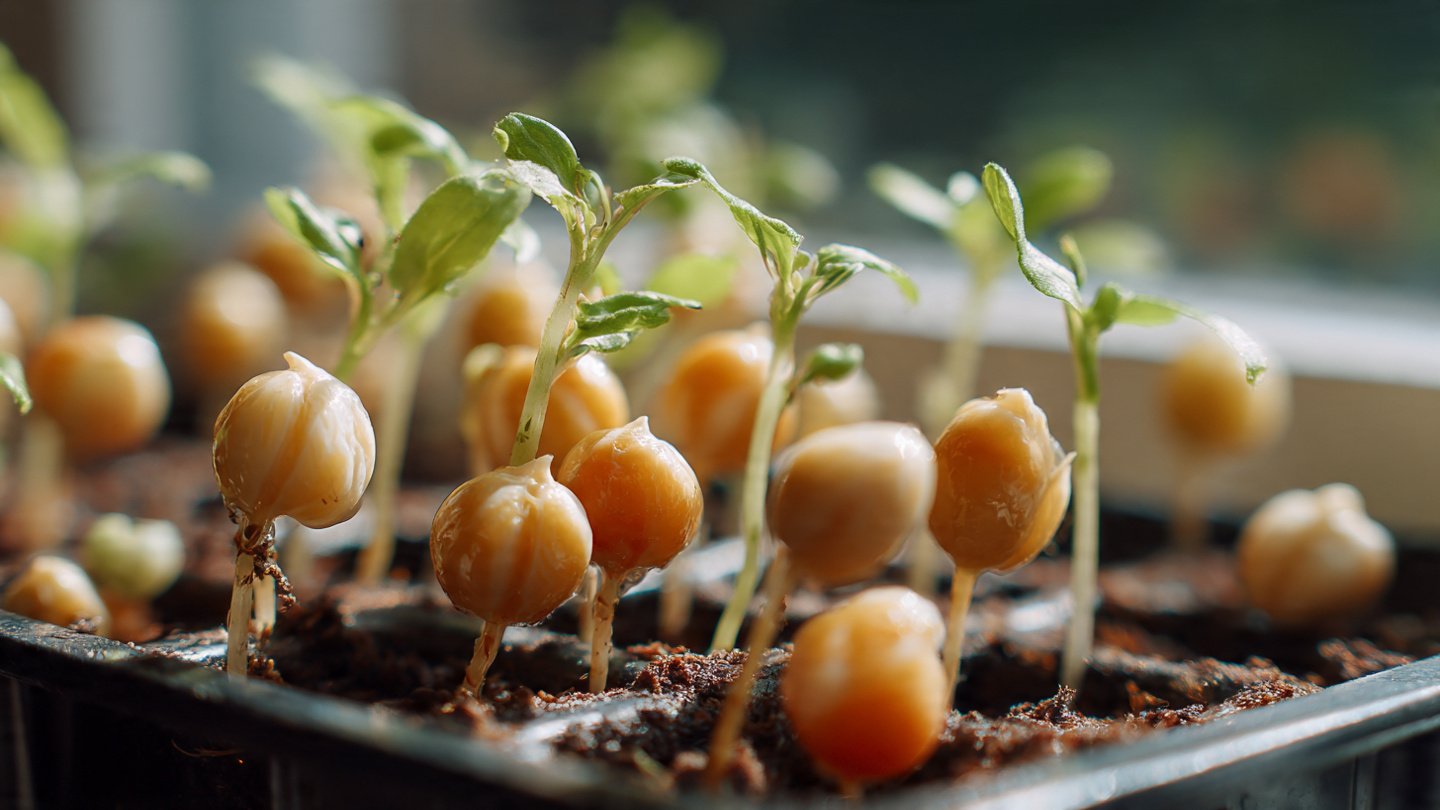
Chickpea sprouts are not only a nutrient powerhouse but also a delicious addition to various dishes. Growing them at home can be an enriching experience, especially for those who embrace organic gardening. This article will guide you through the process of growing chickpea sprouts in your own home, including preparation, methods, care, and a comprehensive FAQ section to address common queries.
Why Grow Chickpea Sprouts?
Chickpeas (Cicer arietinum) are legumes rich in protein, fiber, vitamins, and minerals. Sprouting them enhances their nutritional profile, making it easier for your body to absorb their nutrients. Sprouts are also low in calories and add a crunchy texture and nutty flavor to salads, sandwiches, smoothies, and more.
Benefits of Growing Chickpea Sprouts
- High Nutritional Value: Chickpea sprouts are packed with proteins, vitamins B6, C, and K, and minerals like iron, magnesium, and potassium.
- Versatility: They can be used in various dishes and pair well with salads, wraps, soups, and other vegetarian options.
- Cost-Effective: Growing your own sprouts saves money compared to store-bought varieties. It’s also a fun and educational activity.
- Sustainability: Home sprouting requires minimal resources and helps promote a sustainable lifestyle in line with organic gardening practices.
Getting Started
Selecting Seeds
- Organic Certification: Ensure that you purchase organic chickpea seeds, as conventionally grown seeds may have been treated with pesticides or other chemicals.
- Quality: Opt for seeds specifically labeled as suitable for sprouting. This guarantees they are free from contaminants and have high germination rates.
Necessary Supplies
- Clean glass jar or sprouter: A quart-sized jar can work well, but a dedicated sprouter has built-in drainage and ventilation.
- Cheesecloth or mesh lid: This allows for easy rinsing and draining while preventing seeds from escaping.
- Fresh, filtered water: Ensure the water is free of chlorine and impurities.
- Dark, warm location: A pantry or cupboard is ideal for germination.
Steps to Grow Chickpea Sprouts
Step 1: Soaking
- Measure Seeds: Use 1/4 to 1/2 cup of chickpea seeds. This may seem small, but the seeds will expand significantly as they sprout.
- Rinse: Rinse the seeds under cold water to remove any dust or debris.
- Soak: Place the seeds in your jar, cover them with filtered water, and let them soak for 8-12 hours. This activates the germination process.
Step 2: Draining
- After soaking, drain the water using your mesh lid or cheesecloth. Avoid leaving standing water, as this can cause mold growth.
- Rinse the seeds with fresh water again and drain well.
Step 3: Germination
- Location: Place the jar in a dark and warm location, such as a cupboard. The ideal temperature is about 65-75°F (18-24°C).
- Rinse Daily: Rinse and drain the sprouts 2-3 times each day to keep them moist and prevent mold. Use a gentle stream of water to wash off any residues.
Step 4: Exposing to Light
After about 3-5 days, when sprouts are about an inch long, expose them to indirect sunlight. This will help develop chlorophyll, giving sprouts a vibrant green color. Keep rinsing them daily.
Step 5: Harvesting
- Ready: Your chickpea sprouts will typically be ready in 7-10 days, once they reach a couple of inches in length.
- Rinse: Before harvesting, give them one final rinse.
- Storage: Transfer them to a covered container and refrigerate. They can be kept fresh for about a week.
Caring for Your Chickpea Sprouts
- Hygiene: Always use clean utensils and containers to avoid contamination.
- Moisture Control: Ensure that the sprouts are moist but not soaked. Too much moisture can lead to mold.
- Temperature: Keep them in a warmer spot during early growth but move them to a cooler area once they begin to sprout.
Incorporating Chickpea Sprouts into Your Diet
Chickpea sprouts can enhance the nutritional value of various dishes. Here are a few suggestions:
- Salads: Add a handful to leafy greens, tomatoes, cucumbers, and nuts for a nutritious salad.
- Wraps: Use them as a fresh filling in vegetable wraps along with hummus and other toppings.
- Smoothies: Blend a small amount into smoothies to enrich your drink without altering its taste.
- Soups: Toss them into soups as a topping or mix them into vegetable broth for added fiber and flavor.
Common Challenges
Mold Growth
If you notice mold developing, it’s usually due to excess moisture or insufficient rinsing. Improve your rinsing routine and ensure proper drainage.
Poor Germination
This may occur if your seeds are old, not stored properly, or you’re using non-sprouting varieties. Always opt for fresh seeds from reputable suppliers.
Taste and Texture
Chickpea sprouts may have a stronger flavor compared to other sprouts. If the taste is too earthy for your liking, try mixing them with milder sprouts or greens.
FAQs
1. How long can I store sprouted chickpeas in the fridge?
Sprouted chickpeas can be stored in the refrigerator for up to a week if kept in a sealed container. Always check for any signs of spoilage before consuming.
2. Can I eat raw chickpea sprouts?
Yes, chickpea sprouts are safe to eat raw and provide a crunchy texture and nutty flavor to dishes. However, if you’re concerned about potential bacteria, they can be lightly steamed or added to cooked meals.
3. What is the best time of year to sprout chickpeas?
You can sprout chickpeas year-round, as they can be grown indoors. They don’t require sunlight until they are matured, so winter is a perfect time to start.
4. Are chickpea sprouts gluten-free?
Yes, chickpea sprouts are gluten-free, making them an excellent choice for those with gluten sensitivities or celiac disease.
5. What nutrients do chickpea sprouts provide?
Chickpea sprouts are rich in protein, fiber, vitamins A, B6, C, E, K, and minerals like calcium, magnesium, phosphorus, and iron.
6. Why is soaking necessary before sprouting?
Soaking softens the seed coat and activates the germination process, leading to faster and more consistent sprouting.
7. Can I grow chickpea sprouts using regular chickpeas from the grocery store?
It is best to use seeds specifically labeled for sprouting. Regular grocery store chickpeas may not have been processed for sprouting and could have lower germination rates or be treated with chemicals.
Conclusion
Growing chickpea sprouts at home not only enhances your meals but also contributes to a sustainable lifestyle. The process is straightforward and gratifying, providing delicious and nutritious sprouts that you can enjoy in various dishes. By following the steps outlined above and considering the FAQ section, you can successfully cultivate chickpea sprouts in your organic garden at home. Embrace the joy of gardening, and reap the benefits of these wonderful little legumes!