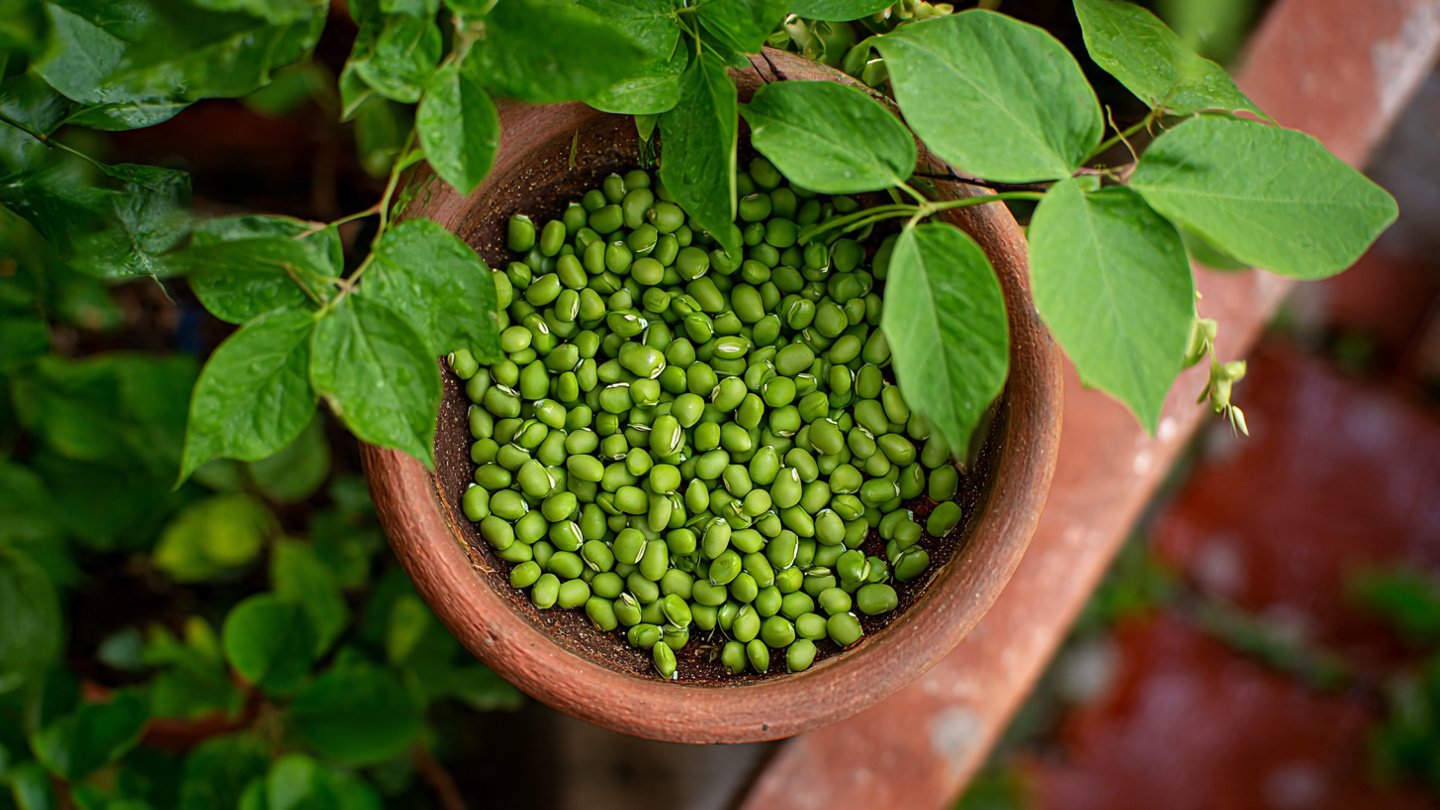
Growing green gram (Vigna radiata), also known as mung beans, is an enriching endeavor that benefits both your health and your living space. These tiny legumes are packed with nutrients, are easy to grow, and can be cultivated even in small spaces. In this guide, we’ll cover everything you need to know about growing green gram plants naturally at home.
Benefits of Growing Green Gram Plants
Before diving into the how-to aspects, let’s look at why you might want to grow green grams:
-
Nutritional Value: Green grams are rich in protein, fiber, vitamins, and minerals. They are an excellent addition to a balanced diet.
-
Versatile Culinary Uses: Whether sprouted, cooked, or ground into flour, green grams can be included in various dishes, including salads, soups, and desserts.
-
Soil Health: Mung beans are nitrogen-fixing plants, which means they enrich the soil by converting atmospheric nitrogen into a form that plants can use.
-
Compact Growth: The plants have a small footprint, making them ideal for limited garden space or even container gardening.
-
Fast Growth: Green grams have a short growth cycle, typically maturing in about 60 days, allowing for multiple harvests in a year.
Choosing the Right Variety
Multiple varieties of mung beans exist, including:
-
Green Mung Beans: Commonly used in Asian cuisine, they can be sprouted or cooked.
-
Yellow Mung Beans: These are hulled green mung beans with a mild flavor, often used in dal recipes.
Consider your culinary needs and local climate when selecting a variety.
Growing Green Gram: Step-by-Step Guide
Step 1: Gather Supplies
Before starting, make sure you have the following:
- Seeds: Purchase organic green gram seeds from a reliable source.
- Containers: If using pots, choose those with drainage holes. For garden beds, ensure loose, well-draining soil.
- Soil: A mixture of loamy soil and compost will provide necessary nutrients.
- Water: Keep a watering can or hose handy.
Step 2: Select the Right Location
Green gram plants prefer warm temperatures, ideally between 70°F and 85°F (21°C to 29°C). Choose a location with full sun, as they require 6-8 hours of direct sunlight each day.
Step 3: Prepare the Soil
- Testing Soil: Test your soil’s pH. Mung beans thrive in slightly acidic to neutral soil (pH 6.0 to 7.0).
- Amending Soil: If necessary, amend the soil with compost to enhance its fertility.
- Tilling: Loosen the soil to promote drainage and root growth.
Step 4: Planting the Seeds
- Seed Preparation: If you’re sprouting seeds, soak them in water for about 8 hours before planting. This can accelerate germination.
- Spacing: Plant seeds about 1-2 inches (2.5-5 cm) apart, either in rows or clusters, depending on your space and preferences.
- Planting Depth: Bury seeds about 1 inch (2.5 cm) deep.
Step 5: Watering
After planting, water the area gently. Maintain consistent moisture, especially during the germination phase. However, avoid waterlogging which can lead to root rot.
Step 6: Maintaining the Plants
-
Weed Control: Regularly check for weeds that might compete for nutrients and water. Hand-pulling is often the best method in small gardens.
-
Natural Pest Management: Use neem oil or other organic pesticides if pests appear. Encourage beneficial insects like ladybugs.
-
Fertilization: Mung beans generally do not require heavy feeding. However, if your plants look weak, you can add a diluted liquid fertilizer.
Step 7: Harvesting
Green gram plants will typically mature in about 60 days. Look for the following signs to know when to harvest:
- Pods: The pods should be mature and dry.
- Color: Green grams may change from green to brown/yellow when ripe.
- Testing: You can test their readiness by gently squeezing a pod. If you hear a slight crunch, they are ready to be harvested.
Step 8: Drying and Storing
After harvesting, ensure the beans are thoroughly dried before storing. Spread them out in a cool, dry area away from direct sunlight. Store in airtight containers to maintain freshness.
Growing Green Gram Indoors
If outdoor space is limited, growing green gram plants indoors is an easy option.
- Containers: Use pots or trays with drainage holes.
- Lighting: If sunlight is limited, use grow lights to ensure the plants receive adequate light.
- Watering: Indoor plants may require more frequent watering, but be careful not to overdo it.
Frequently Asked Questions (FAQs)
Q1: How often should I water green gram plants?
A1: Water green gram plants consistently, keeping the soil moist but not waterlogged. Watering every 2-3 days is generally sufficient, adjusting based on weather conditions.
Q2: What pests should I watch out for?
A2: Common pests include aphids, spider mites, and whiteflies. Use organic pesticides or introduce beneficial insects to manage these pests.
Q3: Can I grow green grams in containers?
A3: Yes! Green gram plants thrive in containers as long as they provide sufficient drainage and space for root development.
Q4: How long do green gram plants take to grow?
A4: Green gram plants typically take about 60 days from planting to harvest, depending on the variety and growing conditions.
Q5: What are the signs of overwatering?
A5: Signs of overwatering include yellowing leaves, wilted plants, and root rot. Ensure proper drainage and allow the soil to dry out slightly between watering.
Q6: Can I grow green gram without soil?
A6: Yes, you can grow green grams hydroponically using nutrient solutions. However, it requires careful monitoring of nutrient levels and pH.
Q7: Are green grams suitable for sprouting?
A7: Absolutely! Mung beans are one of the best options for sprouting. Rinse the soaked beans and keep them in a dark, humid environment until they sprout.
Q8: Do green grams need support as they grow?
A8: Generally, green gram plants don’t need support. However, if they are grown in a very windy area, providing some support can help prevent breakage.
Conclusion
Growing green gram plants at home is an accessible and rewarding hobby that promotes health, sustainability, and the joy of nurturing living things. Whether you’re interested in enhancing your diet or simply enjoying the process of gardening, this guide provides all the necessary steps to cultivate green grams naturally and effectively. Happy gardening!