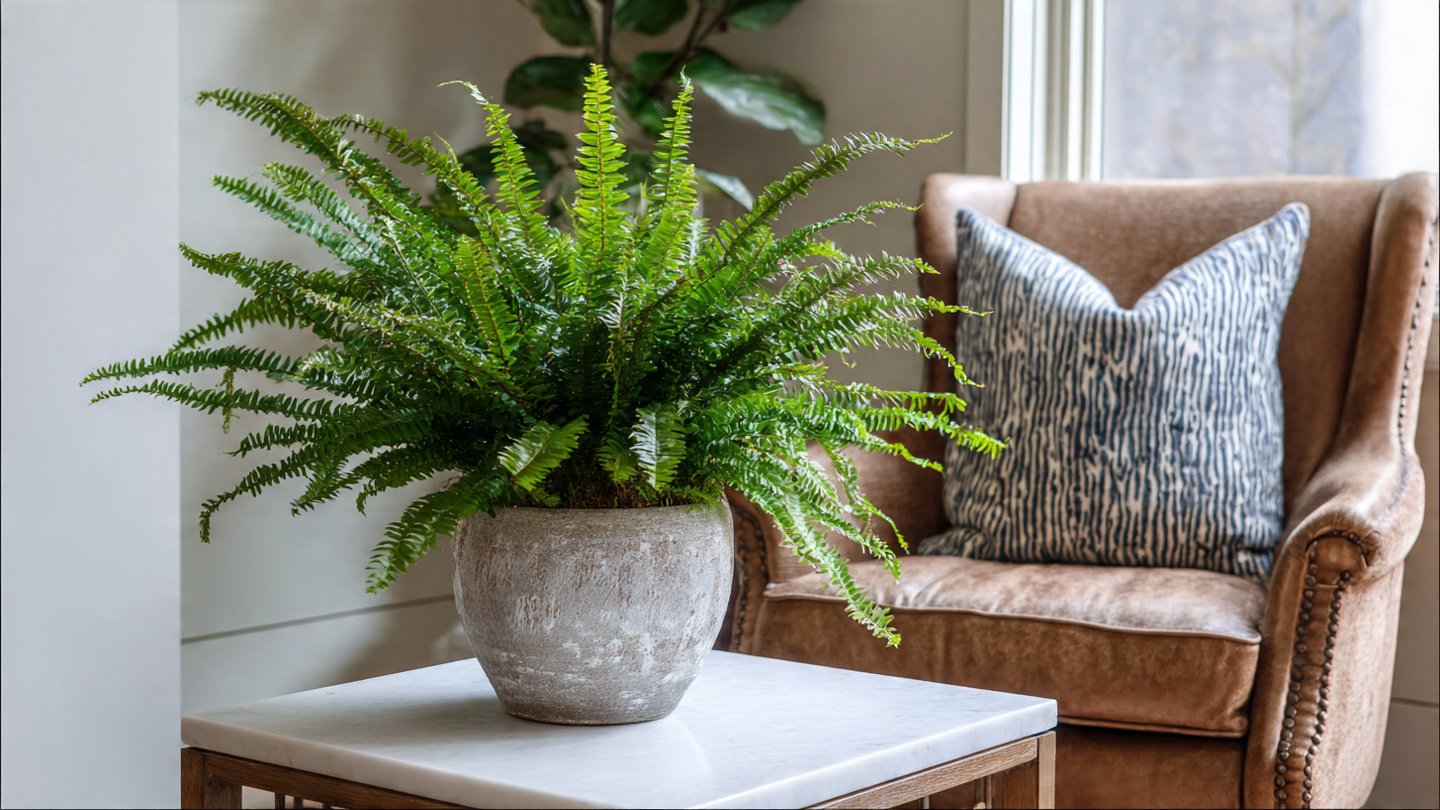
If you’re looking to enhance your interior decor with lush greenery, the Kimberly Queen Fern (Nephrolepis obliterata) is an ideal choice. Known for its stunning fronds, adaptability, and low maintenance, this fern not only beautifies your space but also purifies the air. In this article, we’ll delve into how to cultivate Kimberly Queen Fern effortlessly, covering everything from light conditions to watering and propagation. We’ll also address some frequently asked questions at the end to ensure you have all the necessary information to care for this beautiful plant.
Understanding the Kimberly Queen Fern
Origin and Characteristics
Originating from Australia, the Kimberly Queen Fern features upright, sword-like fronds that can grow up to 3 feet long, making it a striking addition to both modern and traditional interiors. Its lush, evergreen foliage is perfect for adding texture and a touch of nature to homes, offices, and other indoor spaces.
Why Choose Kimberly Queen Fern?
- Air Purification: This fern is known for its ability to filter indoor air pollutants, making your living space healthier.
- Aesthetic Appeal: With its vibrant green leaves, it enhances the visual appeal of any room.
- Adaptability: Kimberly Queen Ferns thrive in various conditions, making them suitable for beginners and experienced gardeners alike.
- Low Maintenance: Unlike many houseplants, this fern requires minimal attention, allowing you to enjoy its beauty without the stress of regular upkeep.
Cultivation Tips
1. Ideal Potting and Soil
To cultivate a Kimberly Queen Fern successfully, starting with the right pot and soil is essential:
-
Container: Choose a pot with drainage holes to prevent waterlogging, which can cause root rot. While any well-draining container will suffice, terracotta pots are an excellent option as they help regulate moisture.
-
Soil: Use a lightweight, well-draining potting mix. A blend of peat moss, perlite, and compost works well. This mixture retains moisture while allowing excess water to escape.
2. Light Requirements
The Kimberly Queen Fern thrives in bright, indirect light. Direct sunlight can scorch its leaves, while too little light can stunt its growth. Here are some tips for optimal placement:
-
Bright Indirect Light: Place it near a window covered with sheer curtains to filter sunlight.
-
Avoid Direct Sun: Keep it away from south-facing windows with full sun exposure.
-
Low Light Tolerance: While it prefers bright light, Kimberly Queen Ferns can tolerate low-light conditions, making them versatile for various indoor settings.
3. Watering Guidelines
Maintaining the right moisture level is crucial for the health of your Kimberly Queen Fern:
-
Watering Schedule: Water when the top inch of soil feels dry to the touch. Generally, this might mean watering once a week, but it may vary based on environmental conditions.
-
Humidity Needs: Kimberly Queen Ferns enjoy humidity; if your indoor air is dry, especially in winter, consider placing a humidifier nearby or misting the fronds regularly.
-
Signs of Overwatering: Yellowing leaves or a soggy base may indicate overwatering, so adjust your watering habits if you notice these signs.
4. Temperature and Environment
Kimberly Queen Ferns thrive in stable temperatures:
-
Optimal Temperature: Aim for a range of 60°F to 75°F (15°C to 24°C). They can tolerate occasional drops but should be kept away from cold drafts.
-
Avoid Extremes: Protect the fern from extreme temperature changes and keep it away from heating vents and air conditioning units.
5. Fertilization
To promote healthy growth, fertilize your Kimberly Queen Fern:
-
Type of Fertilizer: Use a balanced, water-soluble fertilizer diluted to half strength.
-
Frequency: Fertilize every 4-6 weeks during the growing season (spring and summer), and reduce or stop fertilization during fall and winter.
6. Pruning and Maintenance
Regular pruning helps maintain the health and shape of your fern:
-
Remove Dead Fronds: Prune away any yellow or brown fronds to encourage new growth and maintain the plant’s appearance.
-
Dusting Leaves: Dust can accumulate on the leaves over time, so gently wipe them with a damp cloth to keep them clean and enhance photosynthesis.
7. Propagation Techniques
Propagating your Kimberly Queen Fern can lead to more beautiful plants for your home or gifts for friends:
-
Division Method: The easiest way to propagate is through division. Remove the plant from the pot, gently separate the root ball into smaller sections, and repot each division in moist potting soil.
-
When to Propagate: The best time for propagation is during spring when the plant is actively growing.
8. Potential Pests and Problems
While relatively pest-resistant, Kimberly Queen Ferns can still face challenges:
-
Common Pests: Watch for aphids, spider mites, and mealybugs. Treat infestations promptly with insecticidal soap or neem oil.
-
Leaf Issues: Brown tips may indicate inadequate humidity or underwatering, whereas yellowing leaves can point to overwatering or nutrient deficiency.
Decor Ideas Featuring Kimberly Queen Fern
Incorporating Kimberly Queen Ferns into your decor can be both stylish and functional:
-
Shelf Displays: Create a green oasis by placing ferns on shelves alongside books and decorative objects.
-
Hanging Baskets: Hang them in decorative baskets to create a cascading effect, adding depth to a room.
-
Terrariums: Pair them with other small plants in a terrarium for a unique, enclosed ecosystem.
-
Table Centerpieces: Use a Kimberly Queen Fern as a striking centerpiece on your dining or coffee table.
Designing With Your Ferns
- Consider groupings: Placing different size ferns together adds variety and visual interest.
- Coordinate with furniture: Choose pots that complement your existing decor, whether they’re modern, rustic, or traditional.
Conclusion
Cultivating Kimberly Queen Ferns is a rewarding and hassle-free way to enhance your interior decor. With their stunning fronds, air-purifying qualities, and adaptability to various light and humidity conditions, they’re truly a gardener’s delight. By following the cultivation tips outlined above, you can enjoy a lush, healthy fern that brings beauty and life to your home or office.
FAQs
Q1: How often should I water my Kimberly Queen Fern?
A: Typically, you should water your fern once a week, but always check the top inch of the soil. If it’s dry, it’s time to water.
Q2: Can I grow Kimberly Queen Ferns outside?
A: While they thrive indoors, Kimberly Queen Ferns can be grown outdoors in USDA zones 9-11. They require bright, indirect light and protection from harsh weather.
Q3: Why are the tips of my fern turning brown?
A: Brown tips are often a result of low humidity or underwatering. Ensure your fern has enough moisture in the environment to prevent this issue.
Q4: Is the Kimberly Queen Fern pet-friendly?
A: Yes, the Kimberly Queen Fern is non-toxic to pets, making it a safe choice for households with furry companions.
Q5: How can I tell if my fern is getting enough light?
A: If the fronds are tall, vibrant, and green without signs of yellowing, your fern is likely receiving adequate light. If it’s stretching towards the light or leaves are turning yellow, it may need more exposure.
By following these guidelines and addressing common concerns, anyone can cultivate Kimberly Queen Ferns with ease, enhancing their living space with beautiful greenery. Happy planting!