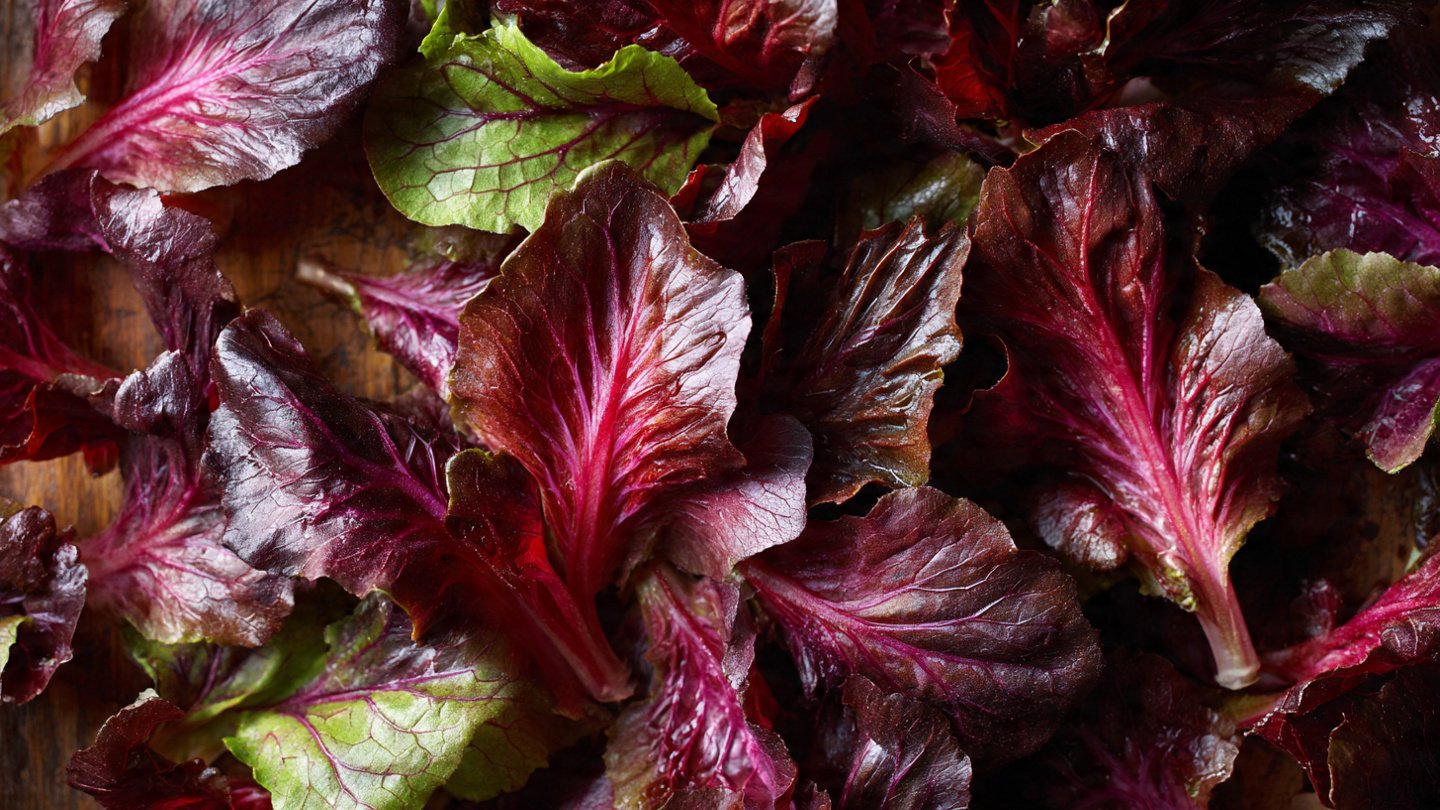
Growing your own vegetables can be a rewarding and delicious endeavor, and amongst the myriad of leafy greens available, radicchio baby leaves stand out for their vibrant color and robust flavor. Not only is growing radicchio simple, but it also adds aesthetic appeal and a unique taste to your home garden. In this article, we will explore the ultimate easy hack for successfully cultivating radicchio baby leaves at home, from choosing the right variety to nurturing them for harvest, along with a FAQs section to answer any lingering questions you may have.
Understanding Radicchio
What is Radicchio?
Radicchio, often mistaken for cabbage, is a member of the chicory family (Cichorium intybus) and is known for its striking red-purple leaves and vigorous flavor. It is not just a visually appealing addition to salads but also brings a slightly bitter taste that can elevate many dishes. Baby radicchio leaves are harvested before they mature, offering a milder flavor that is perfect for fresh salads or as a garnish for various meals.
Varieties of Radicchio
Several varieties of radicchio exist, but the most common types for home growing include:
- Chioggia: Round and red with white stripes. This is the variety most commonly found in supermarkets.
- Treviso: Longer and more loosely packed than Chioggia, with a more pronounced flavor.
- Rossa di Verona: A sweeter, milder variety perfect for salads.
For home gardening, you might prefer the Chioggia variety due to its robust nature and ease of growth.
Why Grow Radicchio Baby Leaves?
Growing radicchio baby leaves at home is advantageous for several reasons:
- Freshness: Homegrown vegetables enhance the taste of any dish.
- Health: Radicchio is rich in antioxidants and nutrients, making it a healthy addition to your diet.
- Cost-Effective: Growing your own plants can save you money compared to purchasing organic produce at the store.
- Sustainability: Home gardening reduces your carbon footprint and allows for pesticide-free produce.
The Ultimate Easy Hack for Growing Radicchio Baby Leaves
Step 1: Choose Your Seeds
Start by selecting high-quality seeds. You can often find these at garden centers, or online. Look for organic seeds if you wish to eliminate synthetic pesticides or fertilizers.
Step 2: Timing is Key
Radicchio thrives in cooler temperatures. The best time to plant radicchio is in early spring or late summer, as it is a cool-season crop.
Step 3: Prepare the Soil
Healthy soil is essential for growing vibrant radicchio leaves. Follow these steps to prepare the soil:
- Select the Right Location: Choose a spot that receives at least 6 hours of sunlight daily.
- Amend the Soil: Use rich, organic matter like compost to improve drainage and nutrient content.
- pH: Aim for a pH level between 6.0 and 7.0. You can test your soil pH using a home gardening kit.
Step 4: Sowing Seeds
Here’s how to effectively sow your seeds:
- Spacing: Sow seeds about 1/2 inch deep, spaced about 2 inches apart. Rows should be approximately 18 inches apart.
- Watering: After sowing, water well but avoid soaking, and keep it consistently moist for germination.
Step 5: Thinning the Seedlings
Once your seedlings reach about 2 inches in height, thin them out to avoid overcrowding. Remove the weaker plants, leaving healthy ones spaced around 4 inches apart to allow enough room for growth.
Step 6: Maintenance
Proper care will help your radicchio thrive:
- Watering: Keep the soil consistently moist, especially during dry periods.
- Fertilization: Fertilize every few weeks with a balanced, organic fertilizer to provide vital nutrients.
Step 7: Pest Control
Keep an eye out for pests such as aphids or slugs. Natural predators like ladybugs can help, or you can create barriers with diatomaceous earth to keep these pests at bay.
Step 8: Harvesting
Radicchio baby leaves are ready to harvest within 30 to 50 days, depending on the variety. When harvesting, choose the younger, tender leaves for the best flavor. Use scissors to cut them just above the soil line. This method encourages further growth, allowing for multiple harvests.
Step 9: Storing
Once harvested, store your radicchio in a breathable bag in the refrigerator for up to a week. For the freshest flavor, consume them shortly after harvesting.
Tips for Success
- Companion Planting: Consider planting radicchio alongside carrots or radishes to enhance growth.
- Crop Rotation: Practice rotation by planting radicchio in different locations each year to prevent disease buildup.
- Mulching: Applying a layer of mulch helps retain moisture and suppress weeds.
Creative Ways to Use Radicchio Baby Leaves
Now that you’ve successfully grown your radicchio, use it creatively in your kitchen:
- Salads: Toss baby leaves with vinaigrette, nuts, and cheese for a refreshing salad.
- Grilling: Lightly grill radicchio for a smoky twist.
- Garnish: Use baby leaves as a colorful garnish for various dishes like pasta or fish.
- Wraps: Create delicious wraps using baby leaves as a healthy low-carb alternative to tortillas.
FAQs About Growing Radicchio Baby Leaves
1. Can I grow radicchio in containers?
Yes! Radicchio can be successfully grown in containers as long as they are deep enough for their root systems. Use pots that are at least 12 inches deep.
2. What if my radicchio leaves turn yellow?
Yellowing leaves can be a sign of overwatering, underwatering, or insufficient nutrients. Assess your watering schedule and ensure you are using a balanced fertilizer.
3. How often should I water my radicchio?
Water your radicchio consistently, keeping the soil moist but not soggy. Aim for about 1 inch of water per week, increasing during particularly hot periods.
4. Can I grow radicchio indoors?
Yes! If you have a bright windowsill that receives enough sunlight, radicchio can be grown indoors.
5. Is radicchio hard to grow?
No! Radicchio is relatively easy to grow, especially if you follow the proper care and guidance provided in this article.
6. How can I tell when radicchio baby leaves are ready to harvest?
Baby leaves are typically ready to harvest when they are around 4-6 inches tall and tender. Just be sure to pick them before they mature to enjoy the best flavor.
Conclusion
Growing flavorful radicchio baby leaves at home is not only achievable but also adds a burst of color and taste to your meals. Whether you’re a seasoned gardener or a newbie, following these simple steps will help you enjoy the satisfaction of homegrown produce. Not only will you enhance your culinary creations, but you’ll also engage in a rewarding hobby that promotes sustainability and health. Happy gardening!