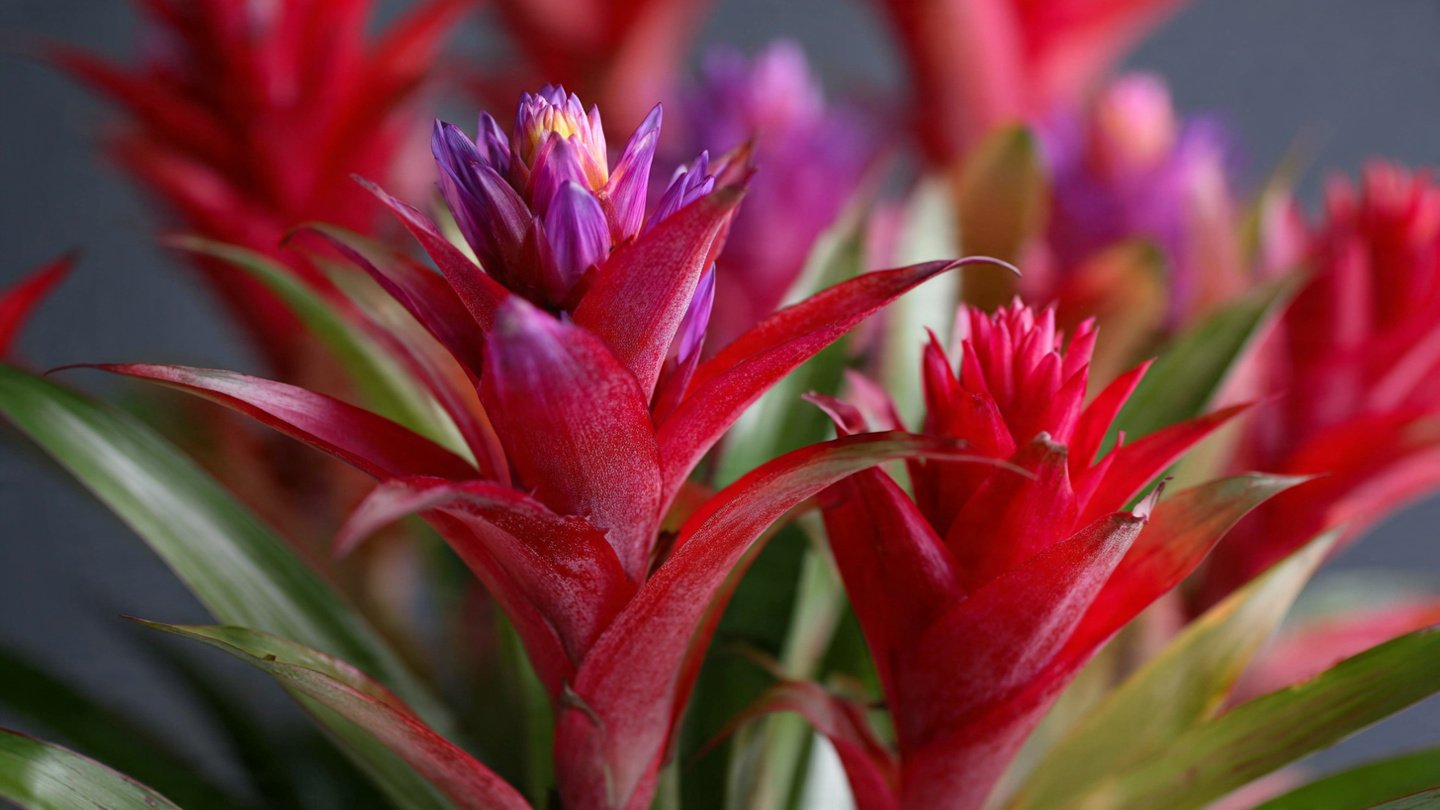
Guzmania bromeliads, with their striking rosettes and vibrant blooms, have become a favorite among indoor plant enthusiasts and interior decorators alike. These tropical plants not only add a splash of color to your home but are also relatively easy to care for, making them perfect for both novice and experienced gardeners. In this article, we’ll unlock the secrets to effortlessly growing Guzmania bromeliads indoors, ensuring your home is bright and lively year-round.
What Are Guzmania Bromeliads?
Guzmania is a genus of flowering plants in the bromeliad family, renowned for their unique terminal inflorescences. Native to Central and South America, Guzmania bromeliads thrive in humid, warm environments, often growing in the understory of tropical forests. Their striking, tubular flowers typically emerge from a rosette of green leaves, showcasing colors ranging from bright red and orange to yellow and pink.
The Appeal of Guzmania Bromeliads
- Aesthetic Value: The plants are visually stunning, boasting colors that can enhance any room decor.
- Indoor Air Quality: Like many houseplants, Guzmania bromeliads can help to purify the air in your home.
- Low Maintenance: These hardy plants do not require extensive care compared to many other houseplants.
Choosing the Right Guzmania Bromeliad
When selecting Guzmania bromeliads for your home, look for:
- Color: Depending on your decor, you can choose varieties with colors that complement or contrast the existing palette.
- Size: Consider the space where the plant will be placed. Guzmania can vary in size, so select one suitable for your environment.
- Health: Ensure the plant appears healthy—check for bright coloration in leaves and no visible pests.
Popular Varieties of Guzmania
- Guzmania lingulata: Known for its red to yellow flowers, this variety exudes vibrancy.
- Guzmania chevalieiri: Featuring bright red flowers and stiff leaves, this plant adds a touch of elegance.
- Guzmania monostachia: More compact, ideal for smaller spaces, and produces striking flowers.
The Ideal Growing Conditions for Guzmania Bromeliads
1. Light Requirements
Guzmania bromeliads thrive in bright, indirect light. Direct sunlight can scorch their leaves, while insufficient light might hinder blooming. A location near a window that filters light, such as a north or east-facing window, is ideal.
2. Temperature and Humidity
Guzmanias prefer warm temperatures ranging from 65°F to 80°F (18°C to 27°C). They are sensitive to extreme temperature fluctuations and cold drafts. Humidity levels should be maintained at around 50%-70% for optimal growth. Utilizing a humidity tray or a room humidifier can help achieve this.
3. Soil Requirements
A well-draining potting mix is crucial. A blend of orchid bark, peat, and perlite works wonders, mimicking their natural environment. Avoid heavy soils that retain too much moisture, as this can lead to root rot.
4. Watering
Guzmania bromeliads prefer to be watered through their “cup” (the rosette formed by leaves). Use distilled or rainwater, as tap water can contain chemicals harmful to these sensitive plants. Keep the cup filled with water and change it every couple of weeks to prevent stagnation.
5. Fertilizer
While Guzmania bromeliads do not require much fertilizer, using a diluted, water-soluble fertilizer can encourage blooming. Apply once a month during the growing season (spring and summer). Avoid over-fertilization as it can damage the roots.
Potting and Repotting Guzmania Bromeliads
Choosing the Right Container
Select a pot that has drainage holes, but keep in mind that Guzmanias are epiphytes—meaning they can thrive without traditional soil. A slightly larger pot is beneficial, allowing for growth without overwhelming the plant.
When and How to Repot
Guzmania bromeliads typically do not require repotting often, as they grow slowly. However, if the plant appears root-bound, consider repotting it into a slightly larger container every few years:
- Gently remove the plant from its pot.
- Examine the roots, trimming any that are dead or rotting.
- Fill the new pot with fresh growing medium and place the plant in the center.
- Water lightly after potting to settle the soil.
Encouraging Blooms
Getting Guzmania bromeliads to bloom can be a rewarding experience. Here are some tips:
- Light: Ensure they’re receiving the right amount of light.
- Stress: A slight stress approach, like reducing watering slightly, can trigger blooming.
- Temperature: A slight increase in temperature can also stimulate flowering.
- Patience: Remember that blooming can take 6 months to a year after proper care.
Propagation
After blooming, the parent plant produces pups (offshoots). These pups can be separated and cultivated once they’ve reached a suitable size (about one-third of the parent).
- Wait for pups to mature: Allow pups to grow 3-4 inches tall.
- Carefully separate them: Use a sterile knife to cut the pup from the base.
- Pot them in soil: Use the same soil mix as the parent plant.
- Water lightly: Allow time for roots to develop.
Common Issues and Troubleshooting
1. Yellow Leaves
Yellow leaves can indicate overwatering or insufficient light. Adjust accordingly by ensuring proper drainage and moving the plant to a brighter spot.
2. Wilting
If the leaves are wilting, check the moisture level in the soil and ensure that the water in the cup is adequate.
3. Pests
Common pests include mealybugs and aphids. If you notice pests, treat immediately with insecticidal soap or neem oil.
Decorating with Guzmania Bromeliads
Guzmania bromeliads can be used innovatively in interior decoration. Here are a few ideas:
- Table Centerpieces: Use single or grouped Guzmania plants in decorative pots on coffee tables or dining tables.
- Hanging Planters: Their unique shape and color make them perfect for hanging planters.
- Shelves: Position them on bookshelves or ledges to create depth and visual interest.
- Bathrooms: They thrive in humid environments, making bathrooms an excellent choice.
FAQs
1. How often should I water my Guzmania bromeliad?
Water the plant every 1-2 weeks, changing the water in the cup regularly.
2. How long do Guzmania bromeliads live?
Guzmania bromeliads typically live for 2-5 years. After flowering, the parent plant may die, but it usually leaves behind pups for continued growth.
3. Why are the tips of the leaves turning brown?
Brown tips can indicate low humidity or too much direct sunlight. Ensure you’re providing adequate humidity and indirect light.
4. Can Guzmania bromeliads thrive outside?
In frost-free climates, Guzmania bromeliads can be grown outdoors, ideally in a shaded area. However, they should be brought indoors during cold seasons.
5. Do I need to fertilize my Guzmania bromeliads?
While they do not require heavy fertilization, a diluted water-soluble fertilizer can promote blooming during the growing season.
6. Can I use tap water for Guzmania bromeliads?
It’s best to avoid tap water due to chemicals like chlorine and fluoride. Using distilled or rainwater is preferable for better growth.
Conclusion
Growing Guzmania bromeliads indoors can be a rewarding experience, creating vibrant decorations that enhance any space. By following these guidelines on light, watering, humidity, and maintenance, you’ll ensure your Guzmania thrives and brings beauty to your home for years to come. Embrace the colors and flair these tropical plants offer, and transform your living space effortlessly!