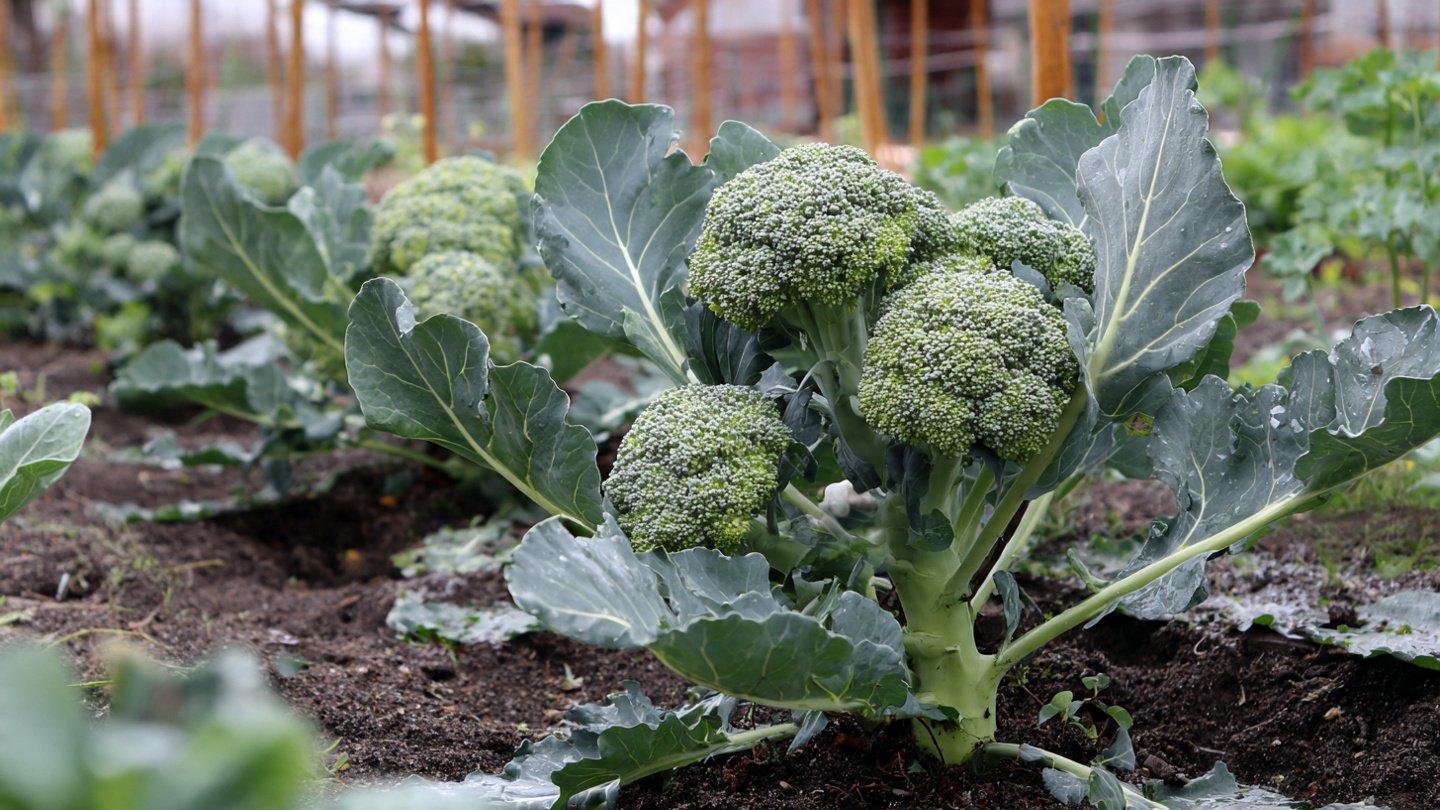
Growing broccoli in your backyard garden can be a rewarding endeavor. Not only is this nutrient-packed vegetable a staple in many cuisines, but it is also relatively easy to grow with the right techniques and care. In this article, we will explore everything there is to know about successfully cultivating healthy broccoli heads, covering soil preparation, planting, maintenance, harvesting, and troubleshooting common issues.
Understanding Broccoli
Broccoli (Brassica oleracea var. italica) is a cool-season vegetable that thrives in temperate climates. It is part of the Brassica family, which includes kale, cabbage, and cauliflower. Known for its high nutritional value, broccoli is rich in vitamins C, K, and various antioxidants, making it a favorite in health-conscious diets.
Ideal Growing Conditions
Climate
Broccoli prefers cool weather and grows best in temperatures between 60°F and 70°F (15°C to 21°C). In warmer regions, it can be grown during the fall or winter months, while in cooler areas, spring and early summer are ideal.
Soil Requirements
Broccoli needs well-draining soil with a pH between 6.0 and 6.8. Here’s how to prepare the soil for planting:
- Soil Testing: Use a soil test kit to determine pH and nutrient levels.
- Amendment: Based on the results, you may need to amend the soil with lime (to raise pH) or sulfur (to lower it), and organic matter such as compost to improve nutrient levels and soil structure.
- Tilling: Loosen the soil to about 12 inches (30 cm) deep to promote root growth and drainage.
Planting Broccoli
Seed Selection
Choose a variety that suits your climate. Some popular varieties include:
- Calabrese: A common heirloom variety known for its large heads.
- Green Magic: A hybrid that is resistant to heat and diseases.
- Purple Sprouting: An heirloom variety that produces purple florets.
Starting Seeds Indoors
If you have a short growing season, starting seeds indoors can give you a head start. Here’s how:
- Timing: Start seeds 6 to 8 weeks before the last expected frost date.
- Containers: Use seed trays filled with a seed-starting mix.
- Light and Water: Keep the trays in a well-lit area and water them regularly to keep the soil moist but not waterlogged.
Transplanting Seedlings
About 2 to 3 weeks before the last frost, harden off your seedlings by gradually exposing them to outdoor conditions. When they are hardened off:
- Spacing: Space plants 18 to 24 inches (45 to 60 cm) apart in rows, allowing for adequate air circulation.
- Depth: Plant them deep enough so that the lower leaves are just above the soil surface.
Maintenance
Watering
Broccoli requires consistent moisture to grow large, healthy heads. Here are some tips:
- Frequency: Water regularly, providing about 1 inch (2.5 cm) of water per week.
- Method: Water at the base of the plant to prevent fungal diseases.
Fertilization
Broccoli is a heavy feeder and needs nutrients to thrive:
- Organic Matter: Incorporate compost or well-rotted manure into the soil before planting.
- Fertilizer: Use a balanced fertilizer (like a 10-10-10 NPK) or a specific vegetable fertilizer according to the manufacturer’s instructions. Apply every 4-6 weeks during the growing season.
Mulching
Adding a layer of mulch (about 2 inches) around your plants will help retain moisture, suppress weeds, and regulate soil temperature. Organic mulches, such as straw or shredded leaves, are ideal.
Pest and Disease Management
Regular inspections can help you identify and manage pests and diseases early:
- Common Pests: Watch for aphids, cabbage worms, and flea beetles. Use insecticidal soap or neem oil as organic control options.
- Diseases: Root rot and downy mildew can affect broccoli. Ensure good air circulation and avoid overhead watering to minimize disease risk.
Harvesting
When to Harvest
Broccoli heads are ready to harvest when they are firm and dark green.
- Timing: Generally, broccoli heads take about 70 to 100 days to mature.
- Cutting: Use a sharp knife to cut the central head, leaving a few inches of stem attached to encourage side shoot growth.
Post-Harvest Care
After harvesting, refrigerate broccoli to maintain freshness. It can typically be stored for up to a week in the fridge.
Troubleshooting Common Issues
- Small Heads: This can be due to under-fertilization or insufficient watering.
- Flowering (Bolting): This occurs if broccoli is exposed to too much heat. Providing shade during hot weather can help.
- Yellowing Leaves: This may indicate nutrient deficiencies, particularly nitrogen.
Conclusion
Growing broccoli in your backyard garden is not just feasible; it can be an enriching experience that yields delicious and nutritious produce. With careful planning, diligent care, and attention to detail, you can cultivate healthy broccoli heads that will enhance your meals and promote good health.
FAQs
1. How long does it take for broccoli to grow?
Broccoli typically takes about 70 to 100 days from planting to harvest, depending on the variety.
2. Can I grow broccoli in a container?
Yes, broccoli can be successfully grown in containers as long as the container is at least 12 inches deep and wide enough to accommodate the plant’s root system.
3. What are the best companion plants for broccoli?
Good companion plants for broccoli include beans, carrots, and onions. These plants can help deter pests and improve growth.
4. How often should I water broccoli?
Broccoli needs about 1 inch of water per week, and you should aim to keep the soil consistently moist but not soggy.
5. Is it necessary to use pesticides?
While pesticides can be effective, consider organic options like insecticidal soap or neem oil for pest management, and practice crop rotation to prevent disease.
6. Can I save broccoli seeds for next season?
Yes, you can save seeds from open-pollinated varieties of broccoli. Make sure to allow the plants to flower and go to seed before collecting them.
By following these practices and techniques, you can enjoy the satisfaction of harvesting your own healthy broccoli and incorporate it into your diet. Whether you are an experienced gardener or a novice, the joy of growing your own food is a journey worth taking!