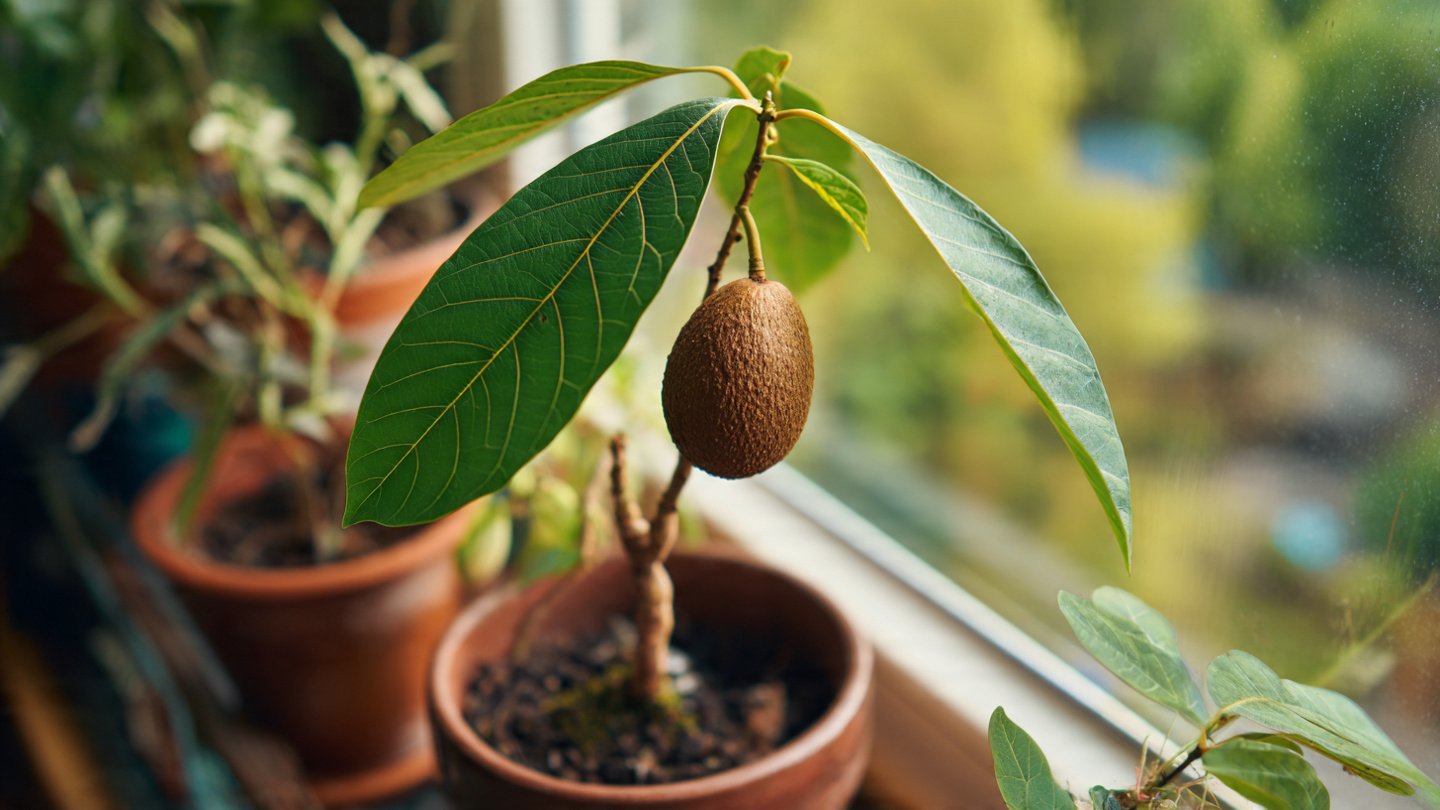
If you’ve ever enjoyed the creamy goodness of an avocado, you may have considered growing your own. Fortunately, it’s both fun and rewarding to grow an avocado tree from a pit, and you don’t need a green thumb to do it. In this article, we will guide you through the simple steps to grow an avocado from a pit at home and provide tips, tricks, and answers to frequently asked questions.
Why Grow Your Own Avocado?
Avocados are not just delicious; they are also packed with nutrients. Known scientifically as Persea americana, avocados are rich in healthy fats, vitamins, and minerals. Growing your own avocado tree offers several benefits:
-
Cost-effective: Avocado prices can fluctuate, and having your home-grown supply can save you money.
-
Sustainability: By growing your own avocados, you contribute to reducing the carbon footprint associated with transporting produce.
-
Freshness: Home-grown avocados taste incredibly fresher than store-bought ones.
-
Fun and Educational: Gardening can be therapeutic and educational for all ages.
Understanding the Avocado Pit
Before delving into the growth process, it’s essential to understand the avocado pit. The pit is a large seed that can grow into a beautiful tree in ideal conditions. While many people discard the pit after enjoying the fruit, it holds the potential for new life.
Preparing the Pit
-
Choose the Right Avocado: Select a ripe avocado. Look for one that yields slightly to pressure but isn’t overly soft.
-
Remove the Pit: Cut the avocado in half, carefully remove the pit, and rinse it under lukewarm water to remove any fruit residue. Be gentle to avoid damaging the seed.
-
Identify the Top and Bottom: The top of the pit is pointy, while the bottom is flat. This is crucial for successful germination.
Germination Methods
There are primarily two methods to germinate an avocado pit: the toothpick method and the water method.
1. Toothpick Method
-
Insert Toothpicks: Take three to four toothpicks and insert them into the pit at an angle. This will allow the bottom half of the pit to be submerged in water while the top half remains above.
-
Place in Water: Fill a glass with water and place the pit on the rim, ensuring the bottom half is submerged.
-
Provide Sunlight: Place the glass in a sunny spot and change the water regularly to keep it clean.
-
Wait for Roots: Within 2-6 weeks, you should start to see roots and a stem developing.
2. Water Method
-
Soak the Pit: After rinsing the pit, soak it in water for 24 hours. This helps to initiate the germination process.
-
Place in Soil: After soaking, plant the pit in a pot filled with nutrient-rich potting soil. Ensure that the top half remains above the soil while the bottom is buried.
-
Water Regularly: Water the soil regularly but avoid overwatering. Ensure good drainage.
Growing the Avocado Plant
Once your pit has developed roots and a sprout, it’s time to transfer it to a larger pot.
Transferring the Seedling
-
Choose the Right Pot: Use a pot with good drainage holes. A 10-12 inch pot is ideal for the initial stages.
-
Fill with Soil: Use a well-aerated potting mix. This allows for sufficient drainage and air circulation.
-
Transplant: Gently place the seedling into the pot, ensuring that the roots are well covered with soil but that the top of the pit is still visible.
-
Watering: Water thoroughly after transplanting and maintain a consistent watering schedule to keep the soil moist, but not soaked.
Caring for Your Avocado Plant
-
Light: Avocado plants thrive in sunlight. Find a sunny windowsill or a location that receives at least 6 hours of sunlight daily.
-
Temperature: Ideal temperatures are between 60°F to 85°F (15°C to 29°C). Avoid exposing the plant to frost.
-
Fertilization: Feed your plant with a balanced fertilizer every month. A fertilizer with a blend of nitrogen, phosphorus, and potassium will help it thrive.
-
Pruning: Prune your avocado plant regularly to encourage side branching and keep it manageable in size.
Transplanting Outdoors
Once your avocado plant reaches about 6-12 inches and has several leaves, you can consider transplanting it outdoors, given suitable climatic conditions.
-
Choose a Sunny Spot: Find a location that receives full sun.
-
Soil: Ensure the soil is well-drained. You might need to mix in compost to improve soil fertility.
-
Space: Depending on the avocado variety, ensure enough space between trees if planting more than one.
-
Hardening Off: Gradually introduce the plant to outdoor conditions by placing it outside for a few hours each day over one to two weeks.
-
Watering: Continue consistent watering but reduces it once the tree is established.
Potential Challenges
While growing an avocado from a pit is incredibly rewarding, it’s not without its challenges:
-
Pests: Keep an eye out for aphids and spider mites. Use organic pest deterrents if needed.
-
Root Rot: Overwatering can lead to root rot. Always check the soil moisture before watering.
-
Time: Avocado trees can take 5-13 years to yield fruit, depending on the variety and growing conditions. Patience is key!
FAQs
1. How long does it take for an avocado pit to sprout?
Generally, it takes about 2-8 weeks for an avocado pit to sprout, depending on the growing conditions and method used.
2. Can I grow an avocado indoors?
Yes! Avocado trees can thrive indoors as long as they receive adequate sunlight and care.
3. Do I need a male and female avocado tree to produce fruit?
Most avocado trees are self-pollinating but having more than one tree can increase fruit yield.
4. What variety of avocado is best for home growing?
Hass avocados are popular for home growing due to their high yield and delicious taste.
5. How often should I water my avocado plant?
Water your plant when the top inch of soil feels dry. Overwatering can lead to root rot, while underwatering can stunt growth.
6. Will my avocado tree produce fruit from the pit?
It’s possible, but the trees grown from pits may not produce fruit or will take several years to bear fruit. For a reliable fruit-bearing tree, consider purchasing a grafted plant.
7. Can I grow multiple avocado trees together?
Yes, growing multiple trees can be beneficial for pollination, leading to improved fruit set.
8. What should I do if my avocado leaves are turning yellow?
Yellowing leaves can indicate overwatering or nutrient deficiencies. Check the soil moisture and consider fertilizing with a balanced fertilizer.
9. Is there a specific season for planting avocado pits?
Avocado pits can be planted year-round, but spring and summer are ideal due to longer daylight hours and warmer temperatures.
10. How high can an avocado tree grow?
In ideal conditions, avocado trees can grow up to 40-80 feet tall, but when grown in pots or indoors, they are usually much smaller.
Conclusion
Growing an avocado from a pit at home is not only a delightful experience but also a rewarding journey that yields nutritious fruit. With some patience and care, you can enjoy the process of nurturing a seed into a thriving plant. So, whether you’re enhancing your kitchen garden or starting a new hobby, don’t toss that pit. Instead, plant it and watch as it grows into a beautiful avocado tree! Happy gardening!