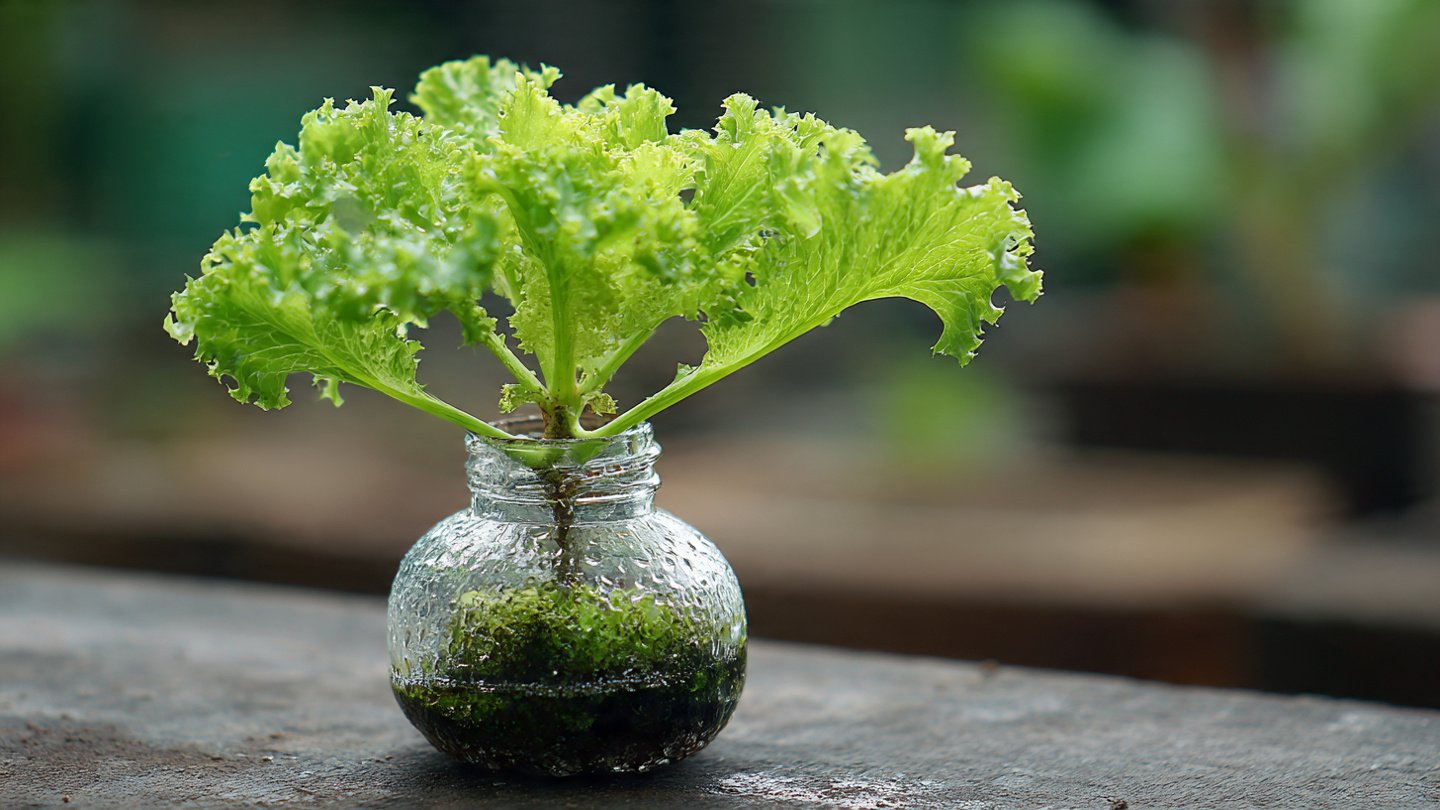
Growing your own food is a rewarding hobby that provides fresh produce while also contributing to sustainability. Lettuce, particularly crisp varieties like romaine and butterhead, is easy to grow and ideal for home gardening. An innovative and eco-friendly method to cultivate lettuce is using recycled water bottles. This guide will walk you through the steps to successfully grow crisp lettuce in a water bottle, along with tips for care and maintenance.
Why Grow Lettuce in Water Bottles?
Using recycled water bottles not only promotes sustainability by reducing plastic waste but also offers several advantages:
- Space Efficiency: Ideal for small spaces, water bottles can be placed on windowsills, balconies, or patios.
- Lightweight: Easy to move around, making it practical for urban gardening.
- Cost-effective: Helps save on purchasing planters or pots.
Materials Needed
Before you start growing crisp lettuce in recycled water bottles, gather the following materials:
Items Required
- Recycled Water Bottles: 1-2 liters are ideal.
- Potting Soil: A high-quality potting mix helps retain moisture and provides nutrients.
- Lettuce Seeds: Choose crisp varieties for best results.
- Scissors or a Craft Knife: For cutting the bottles.
- Marker: To label your bottles if growing different varieties.
- Water: For initial watering and ongoing care.
- Plastic Wrap (optional): For humidity control while seeds germinate.
Step-by-Step Instructions
Step 1: Preparing the Water Bottle
-
Clean the Bottle: Thoroughly wash your empty water bottle to remove any residues and bacteria.
-
Cut the Bottle: Use scissors or a craft knife to cut the bottle in half, leaving the bottom portion intact for water retention.
- Tip: Cut it approximately 3 inches from the bottom.
-
Create Drainage Holes: Using a smaller knife or a heated object (like a metal skewer), poke several small holes in the bottom of the bottle. This allows excess water to drain, preventing root rot.
-
Add a Wick (Optional): If you want to minimize the need for watering, you can insert a strip of cotton cloth or a piece of absorbent material into the drainage holes. This acts like a wick to draw moisture up from a water reservoir below.
Step 2: Filling the Bottle with Soil
-
Add Potting Soil: Fill the bottom half of the bottle with potting soil, leaving about an inch of space at the top.
-
Moisten the Soil: Lightly water the soil to ensure it is damp but not soaking wet. This helps the seeds establish themselves.
Step 3: Sowing the Seeds
-
Choose Your Seeds: Select crisp lettuce varieties that suit your taste and climate. Popular options include Butterhead and Romaine.
-
Plant the Seeds: Sow the seeds according to the package instructions, usually about 1/4 inch deep. You can plant several seeds in the same bottle, but be mindful that they will need space to grow.
-
Label the Bottle: Use a marker to label your bottle with the variety of lettuce and planting date.
Step 4: Creating a Humid Environment
-
Cover the Bottle: To help retain moisture while your seeds germinate, you can wrap the top portion of the bottle (the cut-off part) with plastic wrap. This acts as a mini greenhouse.
-
Place in Sun: Put your bottle in a sunny spot, such as a windowsill that receives at least 6 hours of sunlight daily.
Step 5: Care and Maintenance
-
Watering: Keep the soil consistently moist but not soggy. Water from the top until it drains from the bottom, or if you used a wick, ensure the reservoir is filled.
-
Thin the Seedlings: Once the seedlings have grown to about 2 inches tall and have their first set of true leaves, thin them out by snipping out weaker plants. This allows the stronger plants to receive more nutrients.
-
Fertilizing: After a few weeks, consider using a diluted liquid fertilizer to boost growth. Look for organic options that are suitable for leafy greens.
-
Pest Control: Monitor your plants for pests like aphids or slugs. If you spot any, consider natural pest control methods such as neem oil or insecticidal soap.
Step 6: Harvesting
-
Timing: Most crisp lettuce varieties are ready to harvest in about 6 to 8 weeks. The leaves should be vibrant and firm.
-
Harvesting Method: You can either cut the outer leaves to allow the inner ones to continue growing (cut-and-come-again method) or harvest the entire plant at once.
-
Storage: Store harvested lettuce in a cool place or refrigerate it in a sealed container to maintain freshness.
Additional Tips for Growing Lettuce
- Rotate Varieties: To avoid nutrient depletion, consider rotating different leafy greens in your bottles.
- Experiment with Companion Planting: You might also try planting herbs like basil or cilantro in your water bottles. They often grow well together.
- Monitor Temperature: Lettuce grows best in temperatures between 60°F and 70°F. If it’s too hot, consider providing some shade.
FAQs
1. Can I reuse water bottles multiple times for planting?
Yes, you can reuse water bottles multiple times as long as they are clean and in good condition. Just ensure that you remove any old soil and clean the bottle thoroughly.
2. How often should I water my lettuce?
Generally, you should water your lettuce every few days, depending on the humidity and temperature of your environment. Check the soil moisture regularly; if it feels dry an inch below the surface, it’s time to water.
3. How much sunlight does lettuce need?
Lettuce thrives in full sun, meaning it should receive at least 6 hours of direct sunlight each day. If you notice your plants stretching or becoming leggy, they may not be receiving enough light.
4. Can I grow more than one type of lettuce in the same bottle?
While it’s possible to grow different varieties in one bottle, it’s advisable to plant them separately to avoid overcrowding. Different varieties might have varying growth rates and nutrient requirements.
5. What should I do if my plants are infested with pests?
If you find pests on your lettuce, remove them manually if you can. For larger infestations, use a diluted solution of neem oil or insecticidal soap, following the instructions on the product label for application.
6. Why are my lettuce leaves turning yellow?
Yellowing leaves can indicate several issues, including over-watering, nutrient deficiencies, or inadequate sunlight. Assess your plant’s conditions and adjust watering or fertilization as needed.
Conclusion
Growing crisp lettuce in recycled water bottles is an excellent way to engage with home gardening while promoting sustainability. By following these steps, you can create a thriving source of fresh greens right from your kitchen windowsill or patio. Not only does this approach provide delicious produce, but it also contributes to reducing plastic waste and encourages a more environmentally friendly lifestyle. Happy gardening!