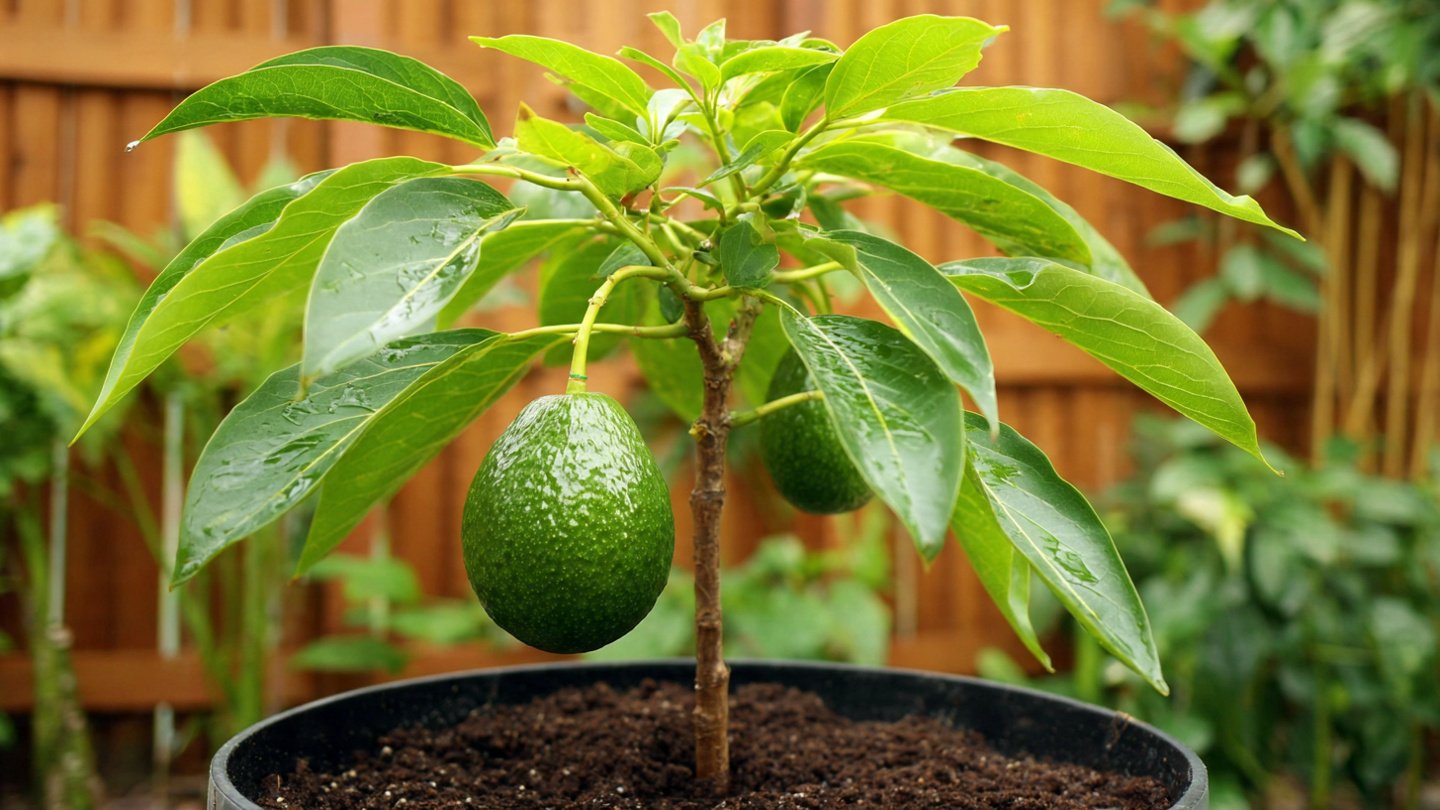
Growing a dwarf avocado tree in your backyard is not only a rewarding experience but also a journey toward enjoying fresh, homegrown fruit. Avocados are nutrient-rich, delicious, and versatile, making them a beloved addition to any kitchen. While traditional avocado trees can span up to 80 feet, dwarf varieties typically reach a height of 3 to 6 feet, making them perfect for smaller gardens or even container gardening. This article will guide you through the steps to cultivate your dwarf avocado tree successfully, applicable for gardeners of all skill levels.
Choosing the Right Dwarf Avocado Variety
Before you even plant your dwarf avocado tree, it’s essential to choose the right variety. Here are three popular options:
-
Bacon: This variety is known for its hardiness and is less sensitive to cold temperatures. It produces medium-sized fruits with a smooth texture.
-
Fuerte: Known for its creamy texture and a slightly nutty flavor, Fuerte avocados grow relatively well in warmer climates.
-
Mexicola: This variety is prized for its high oil content and has dark skin. It’s particularly well-suited for warmer areas but can thrive in a pot.
Make sure to research the specific needs of each variety to determine which one aligns best with your growing conditions.
Location, Light, and Soil Requirements
Location
Dwarf avocado trees love sunlight and require a spot that gets at least 6 to 8 hours of direct sunlight per day. If you live in a cooler climate, consider placing the tree near a south-facing wall to absorb warmth.
Soil
Avocados prefer sandy, well-draining soil that’s rich in organic matter. If your garden soil is heavy clay or extremely sandy, consider amending it with compost to improve fertility and drainage. A pH level between 6 and 7 is ideal for avocado trees.
Containers
If you’re opting for container gardening, choose a pot at least 18 inches in diameter. Use a potting mix designed for fruit trees, ensuring it offers excellent drainage.
Planting the Dwarf Avocado Tree
Timing
The best time to plant avocado trees is in the spring, when the risk of frost has passed. This allows the tree to establish itself during the warm growing season.
How to Plant
-
Prepare the Planting Hole: Dig a hole twice as wide as the root ball and just as deep. This helps ensure that the roots can spread easily.
-
Remove the Tree Carefully: Gently remove the dwarf avocado tree from its nursery pot. Avoid damaging the roots as much as possible.
-
Place and Backfill: Position the tree in the center of the hole, ensuring that the root ball sits level with the surrounding soil. Backfill with the removed soil, pressing down gently to eliminate air pockets.
-
Water: Water the newly planted tree thoroughly to settle the soil around the roots.
-
Mulch: Adding a 2-inch layer of mulch around the tree can help retain moisture and suppress weeds.
Watering and Fertilizing
Watering Needs
Dwarf avocado trees need regular watering, particularly during the first year as they establish their root systems. Water frequency will depend on the climate and soil type.
- In sandy soils: You may need to water every few days.
- In clay soils: Watering once a week may suffice.
A good indicator of when to water is when the top inch of soil feels dry.
Fertilizing
Fertilize your dwarf avocado tree every 6 to 8 weeks during the growing season (spring and summer). Use a balanced, slow-release fertilizer with equal parts nitrogen, phosphorus, and potassium. Organic options, such as fish emulsion or compost, can also enhance soil fertility.
Pruning Your Dwarf Avocado Tree
Regular pruning helps maintain the shape and size of your dwarf avocado tree while promoting healthy growth and fruit production.
When to Prune
The best time to prune is just before the growing season begins, typically late winter or early spring.
How to Prune
-
Remove Dead or Diseased Wood: Start by clearing away any branches that appear unhealthy.
-
Thin Out the Canopy: Remove branches that cross each other or are overcrowding, allowing sunlight to penetrate the canopy.
-
Encourage New Growth: Lightly trim the ends of branches to stimulate bushier growth.
Care should be taken not to over-prune, as this can stress the plant and reduce fruiting.
Pest and Disease Control
Dwarf avocado trees can be susceptible to various pests and diseases. Here are some common issues and how to address them:
Pests
-
Avocado Moths: These can damage your fruit. Use insecticidal soap or neem oil to keep them at bay.
-
Spider Mites: Look for fine webbing on leaves. A strong spray of water can dislodge them, or consider using miticides as a last resort.
Diseases
-
Root Rot: Caused by excessive moisture, root rot often leads to tree decline. Ensure proper drainage and avoid overwatering.
-
Powdery Mildew: This fungal disease appears as a white powdery substance on leaves. Increasing air circulation and preventing excess moisture can help control it.
Harvesting Your Avocados
Timing
Typically, dwarf avocado trees begin to bear fruit 3 to 4 years after planting. The time to harvest depends on the variety, but generally, avocados will mature in late summer to early fall.
How to Know When They’re Ready
While avocados won’t ripen on the tree, they will reach full size and start to change color. You can pick them when they feel firm; they will soften within a few days after harvesting.
FAQs
1. How large do dwarf avocado trees grow?
Dwarf avocado trees typically grow between 3 to 6 feet tall. They are ideal for small gardens and container gardening.
2. Can I grow a dwarf avocado tree indoors?
Yes! Dwarf avocado trees can be successfully grown indoors, provided they receive enough sunlight (at least 6 to 8 hours daily) and are in a well-drained potting mix.
3. How often should I water my dwarf avocado tree?
Watering needs depend on your soil type and climate. Generally, check if the top inch of soil is dry. In warmer climates, you might need to water every few days; in cooler areas, once a week should suffice.
4. When will my dwarf avocado tree start to bear fruit?
Dwarf avocado trees typically start producing fruit 3 to 4 years after planting. Various factors such as care, climate, and variety can affect this timeline.
5. How do I protect my avocado tree from frost?
If you live in an area where temperatures drop below freezing, consider wrapping your tree with burlap or using frost cloth during cold nights. A location with a south-facing wall can also help mitigate frost damage.
6. Do I need a second tree for pollination?
While dwarf avocado trees can produce fruit on their own (they are self-pollinating), having a second tree nearby may help improve fruit set and overall yield.
Conclusion
Growing a dwarf avocado tree is a fulfilling endeavor that enhances your garden while providing you with fresh fruit. By carefully selecting the right variety, nurturing your tree with proper care, and staying vigilant against pests, you’ll soon enjoy the fruits of your labor. Whether you’re using them in guacamole, salads, or simply enjoying them fresh, homegrown avocados are a delightful addition to any meal. Happy gardening!