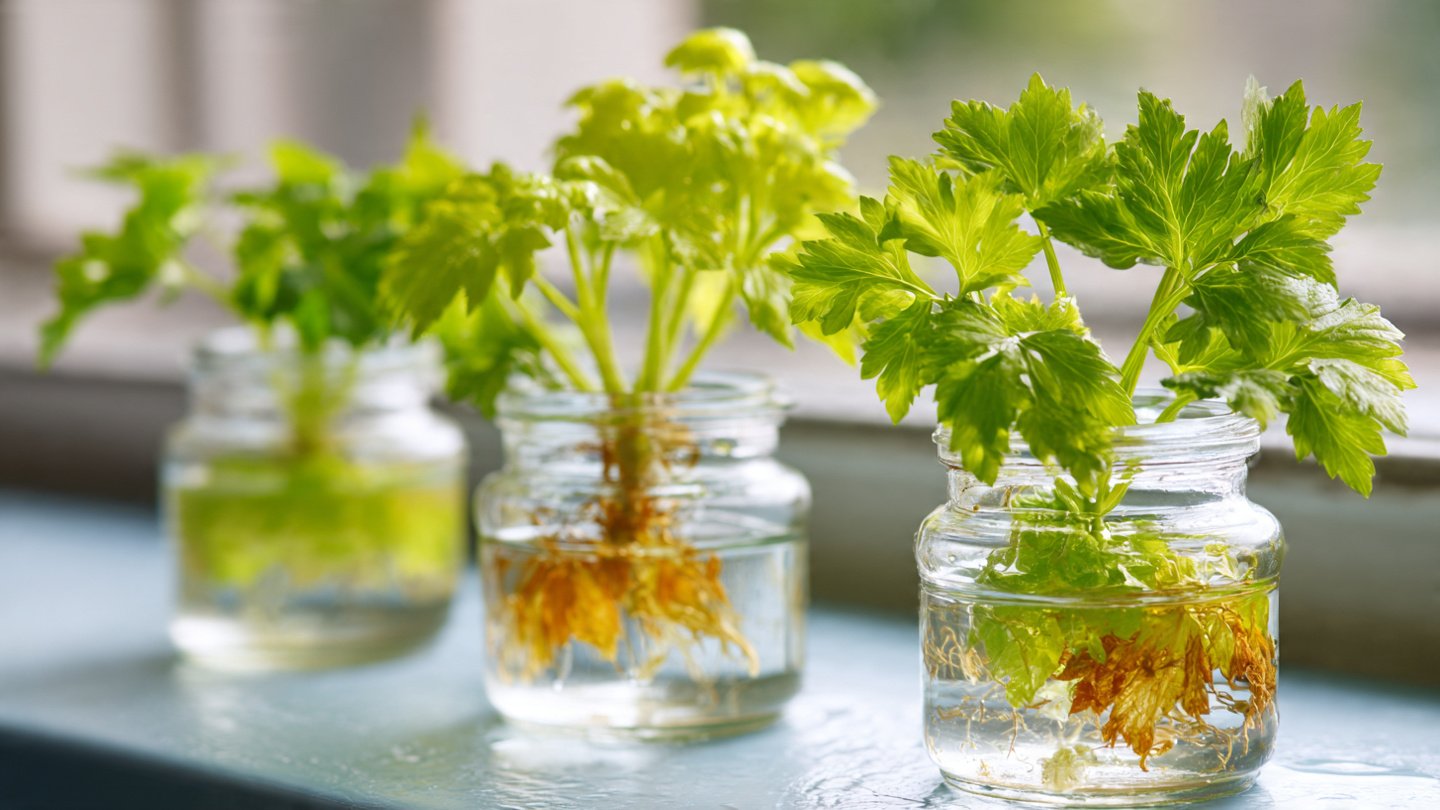
Celery (Apium graveolens) is a versatile vegetable known for its crisp texture and refreshing taste. Often used in salads, soups, and stir-fries, this green stalk is rich in vitamins and minerals, making it a healthy addition to any meal. However, what many people don’t realize is that you can easily regrow celery leaves at home using just water and sunshine. In this article, we’ll explore the simple trick to regrowing celery leaves, the benefits of doing so, and address some frequently asked questions.
Why Regrow Celery Leaves?
Sustainability
One of the most compelling reasons to regrow celery is sustainability. By regrowing celery leaves from kitchen scraps, you reduce waste. Instead of discarding the base of the celery stalk, you can use it to cultivate a fresh supply of greens. This not only minimizes your environmental impact but also saves you money.
Freshness and Flavor
Freshly regrown celery leaves are much tastier than store-bought alternatives. They possess a vibrant flavor that can enhance your dishes. Plus, when you grow them yourself, you know exactly how they were cultivated—free from pesticides and harmful chemicals.
Nutritional Benefits
Celery leaves are often overlooked, yet they are packed with nutrients. They contain vitamins A, C, and K, along with minerals like potassium and folate. Regrowing celery leaves allows you to enjoy these health benefits right from your kitchen.
The Simple Trick to Regrow Celery Leaves
Step-by-Step Guide
Step 1: Gather Your Materials
To start regrowing celery leaves, you’ll need:
- A fresh stalk of celery with the base intact
- A shallow bowl or glass
- Fresh water
- A sunny windowsill or spot with bright indirect sunlight
Step 2: Prepare the Celery Base
Take the celery stalk and cut off the top, leaving about 2-3 inches of the base. Make sure that you don’t cut too high; the roots need to have enough material to regrow.
Step 3: Place in Water
Fill a shallow bowl or glass with water and place the celery base in it. Ensure that the cut end is submerged in water while the stalk stands upright. You can use toothpicks to secure the stalk in place if needed.
Step 4: Find the Right Spot
Position the bowl in a sunny area. Celery thrives in bright, indirect sunlight, so a south-facing window is ideal. Avoid direct sunlight that can scorch the leaves; instead, opt for a spot with gentle light.
Step 5: Change the Water Regularly
For optimal growth, change the water every 2-3 days to keep it fresh and oxygen-rich. This simple maintenance task ensures that the celery base receives the nutrients it needs to sprout new leaves.
Step 6: Watch It Grow
Within a few days, you’ll start to see new leaves emerging from the center of the celery base. Allow the new growth to develop over the course of several weeks. Once the leaves are lush and plentiful, you can harvest them for culinary use.
Tips for Success
-
Use Fresh Celery: Choose organic celery that appears fresh and green. Avoid wilted or yellowing stalks, as they are less likely to regrow effectively.
-
Monitor Light Levels: If you notice that your celery is leaning towards the light source, rotate it regularly to ensure even growth on all sides.
-
Fertilization: Once roots begin to form, you can introduce a diluted liquid fertilizer every couple of weeks to enhance growth.
-
Replanting: If you want to take your celery regrowing to the next level, consider transferring the base to soil after it has developed roots. Plant it in a pot with well-draining soil and keep it in a sunny location.
-
Harvesting: When the celery leaves are large enough, snip off what you need while leaving the rest to continue growing. This way, you’ll have a continuous supply.
Benefits of Regrowing Celery Leaves
Cost-Effective
Regrowing celery leaves at home can significantly reduce grocery expenses. A single stalk can yield multiple harvests, providing a sustainable source of fresh greens.
Educational Experience
For families, regrowing celery provides an excellent opportunity to teach children about plant biology and the importance of sustainability. It can spark curiosity about gardening and healthy eating habits.
Easy and Low Maintenance
Unlike many garden vegetables that require extensive care, regrowing celery is a straightforward process. It requires minimal effort and equipment, making it accessible even for novice gardeners.
Year-Round Availability
By keeping your celery growing indoors, you can enjoy fresh leaves even during the winter months. This can be particularly beneficial for those living in colder climates where outdoor gardening is limited.
Culinary Uses for Regrown Celery Leaves
Once your celery leaves have matured, they can be used in a variety of ways:
- Salads: Add fresh celery leaves for a crunchy texture and fresh flavor.
- Soups and Stews: Use the leaves as an aromatic garnish or flavor enhancer in your favorite recipes.
- Smoothies: Blend them in for a nutrient boost.
- Sauces: Incorporate into sauces for added depth and flavor.
FAQs
Q1: How long does it take to regrow celery leaves?
A: Typically, you will begin to see new growth within 5-7 days. Full growth may take 2-4 weeks, depending on light and water conditions.
Q2: Can I regrow celery in soil instead of water?
A: Yes! Once the roots have developed sufficiently, you can transplant the celery base into soil for continuous growth. This may require a pot with well-draining soil.
Q3: What should I do if my celery leaves turn yellow?
A: Yellowing may indicate overwatering or lack of nutrients. Ensure you are replacing the water regularly and might consider adding a diluted liquid fertilizer.
Q4: Can I regrow other vegetables using the same method?
A: Yes, many vegetables like green onions, lettuce, and herbs can be regrown using the water method. They thrive in similar conditions and provide an easy way to cultivate fresh ingredients at home.
Q5: Do I need to use organic celery to regrow it?
A: While it’s not strictly necessary, organic celery is recommended to reduce exposure to pesticides and chemicals, making your regrown leaves safer for consumption.
Q6: Is it possible to grow celery outdoors?
A: Absolutely! If you have space, celery can be grown in a garden as well. However, for those limited to an apartment or indoors, the water method is a fantastic alternative.
Conclusion
Regrowing celery leaves using just water and sunshine is not only an easy and sustainable practice but also a rewarding one. With minimal effort, you can cultivate a fresh supply of nutritious greens right in your kitchen. Whether you’re looking to reduce waste, save money, or simply enjoy the pleasure of gardening, this simple trick is well worth trying. So, the next time you buy celery, don’t toss the base—plant it and watch it grow!