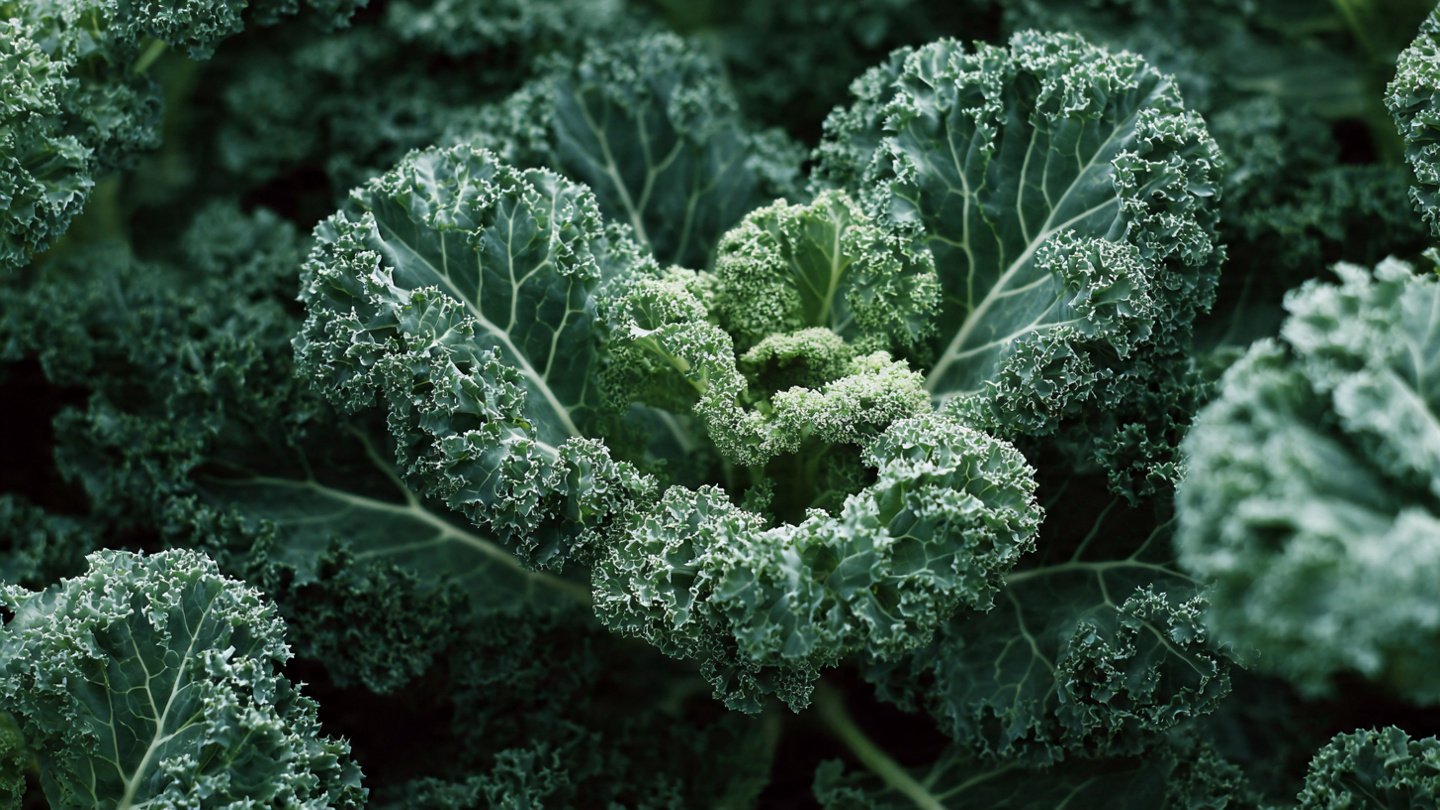
Curly kale is a nutrient-packed leafy green that is not only versatile in the kitchen but also relatively easy to grow in a home garden. Known for its frilled edges and robust flavor, curly kale has gained significant popularity among health enthusiasts. By following some simple hacks, you can cultivate this delicious and nutritious plant in your outdoor space or even in pots. Let’s dive into the cultivation of curly kale, exploring the best practices for growing and caring for it.
Understanding Curly Kale
What is Curly Kale?
Curly kale (Brassica oleracea var. sabellica) is a variety of kale characterized by its ruffled, curly leaves. It is often deep green in color, though there are purple varieties as well. Not only does kale provide a burst of flavor, but it is also packed with vitamins A, C, and K, as well as minerals like calcium and iron.
Benefits of Growing Curly Kale
- Nutritional Value: Kale is low in calories but high in essential nutrients.
- Versatility: It can be used in salads, smoothies, soups, and as a side dish.
- Cultivation Ease: Kale is resilient and can thrive in various conditions.
- Continuous Harvest: You can harvest leaves throughout the growing season.
Choosing the Right Location
Sunlight Requirements
Kale prefers full sun, which means it needs at least six hours of direct sunlight each day. However, it can tolerate partial shade, especially in hotter climates. When selecting a spot in your garden, aim for a location that receives ample sunlight without being overly exposed to intense heat.
Soil Quality
Kale thrives in well-drained, fertile soil rich in organic matter. A pH level between 6.0 and 7.0 is optimal. You can enhance the soil quality by mixing in compost or well-rotted manure to provide necessary nutrients.
Drainage Considerations
Good drainage is critical when growing curly kale, as the roots can rot in overly saturated soil. If your garden has heavy clay soil, consider using raised beds or planting in containers with drainage holes.
Planting Curly Kale
Seed Selection
Opt for high-quality seeds from a reputable supplier. There are various curly kale varieties, including ‘Winterbor’ and ‘Dwarf Blue Curled.’ When selecting seeds, consider your climate and growing season.
Timing
Kale is a hardy plant that can be planted in early spring and again in late summer for a fall harvest. In temperate climates, kale can even survive winter, allowing for year-round growth.
Sowing Seeds
You can either start kale seeds indoors 4-6 weeks before the last frost or sow them directly in the garden. If starting indoors, transplant the seedlings when they reach about 4-6 inches in height.
When sowing outdoors:
- Create Rows: Plant seeds about 1/2 inch deep in rows spaced 18-24 inches apart.
- Thin Seedlings: Once seedlings are about 2-3 inches tall, thin them to allow space for healthy growth, leaving 12-18 inches between each plant.
Maintaining Your Kale Plants
Watering
Kale requires consistent moisture, especially during hot weather. Water your plants deeply, approximately once a week, or more frequently during dry spells. To minimize evaporation, mulch around the base of the plants with organic materials like straw or wood chips.
Fertilization
Kale benefits from regular feeding. A balanced fertilizer (10-10-10) applied every few weeks can promote growth. Alternatively, use organic options like fish emulsion or compost tea for a nutrient boost.
Pest Management
Kale is susceptible to pests such as aphids, cabbage worms, and whiteflies. To combat these pests:
- Introduce Beneficial Insects: Ladybugs and lacewings can help control aphid populations.
- Natural Sprays: Use neem oil or insecticidal soap to deter unwanted pests.
- Physical Barriers: Installing row covers can protect seedlings from insects.
Disease Prevention
Prevent fungal diseases by ensuring good air circulation around your kale plants. Avoid overhead watering, which can promote mildew. Rotate crops each season to reduce the risk of soilborne diseases.
Harvesting Curly Kale
When to Harvest
Kale leaves can be harvested once they reach a size suitable for consumption—typically about 6-8 inches long. Younger, more tender leaves are preferable for salads, while older leaves can be cooked or blended.
How to Harvest
- Cutting Leaves: Use clean, sharp scissors or pruners to cut leaves, starting from the bottom. Leave the top leaves untouched to encourage continued growth.
- Timing: For best flavor, harvest kale in the early morning or late afternoon when temperatures are cooler.
Storage Tips
Freshly picked kale can be stored in the refrigerator for up to a week. To preserve its flavor and nutrients:
- Avoid Moisture: Ensure the leaves are dry before storing.
- Plastic Bags: Store in a perforated plastic bag to maintain humidity without trapping moisture.
Creative Uses for Curly Kale
- Salads: Toss chopped kale leaves with olive oil, lemon juice, and your favorite toppings for a refreshing salad.
- Smoothies: Blend kale into smoothies for a nutritious boost.
- Kale Chips: Toss with oil and spices, then bake until crispy for a healthy snack.
- Soups: Add kale to soups for extra flavor and nutrition.
FAQs
1. Can I grow curly kale in containers?
Yes, kale grows well in pots. Choose a container that is at least 12 inches deep, and ensure it has drainage holes. Use a high-quality potting mix and provide adequate sunlight.
2. How long does curly kale take to grow?
Typically, curly kale requires about 55-75 days to mature from seed to harvest, depending on the variety and growing conditions.
3. Is curly kale a perennial plant?
Curly kale is usually grown as an annual, but it can survive as a biennial in mild climates, allowing you to harvest over multiple seasons.
4. Can I eat kale after it flowers?
While kale is still edible after flowering, the leaves may become tougher and more bitter. It’s best to harvest before flowering for the best taste.
5. What should I do if the leaves of my kale are yellowing?
Yellowing leaves often indicate nutrient deficiencies, particularly nitrogen. Fertilizing with a balanced fertilizer or compost can help restore color and health.
6. How can I extend the growing season for curly kale?
Consider using row covers to protect your plants from frost. Additionally, planting kale in raised beds can create slightly warmer soil conditions, extending its growing season.
Conclusion
Growing curly kale in your home garden is not only a rewarding endeavor but also an excellent way to enhance your diet with nutrient-rich greens. By following these easy hacks—from selecting the right location and caring for your plants to harvesting and creatively using this versatile vegetable—you can enjoy a bountiful kale harvest. With a bit of care and attention, your curly kale plants will thrive, providing you with fresh greens throughout the growing season and beyond. Happy gardening!