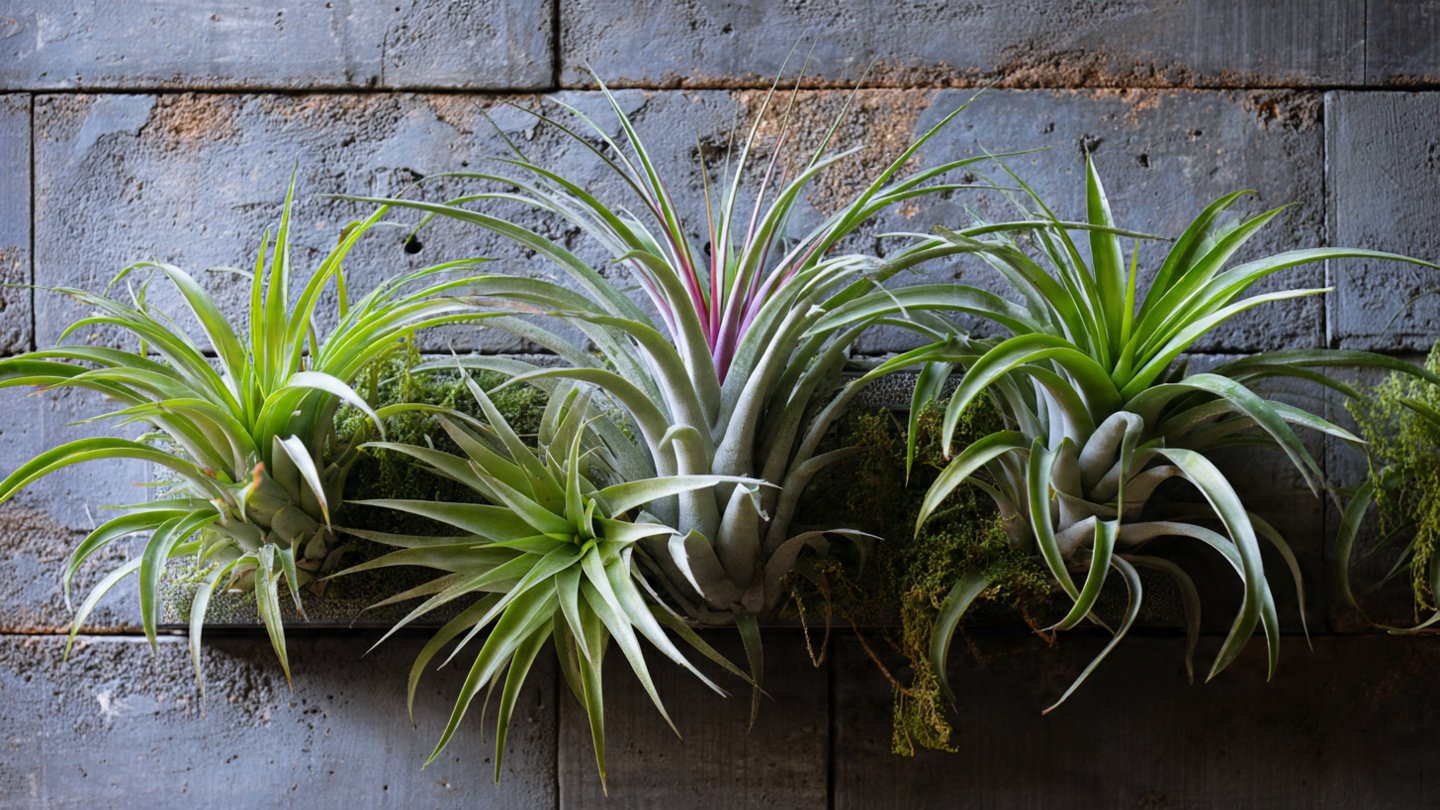
If you’ve ever admired the beauty of air plants (Tillandsia) and thought about creating a lush indoor vertical garden, you’re in for a treat. These unique, low-maintenance plants are ideal for wall displays, adding character and life to your living space. In this comprehensive guide, we’ll explore everything you need to know about growing beautiful Tillandsia, including their care, ideal conditions, and design ideas for your vertical garden.
Understanding Tillandsia
What are Tillandsia?
Tillandsia, commonly known as air plants, are a genus of around 650 species that belong to the bromeliad family. One of their key characteristics is that they do not require soil to grow; instead, they absorb moisture and nutrients through their leaves from the air. This makes them perfect for creative displays on walls, hanging arrangements, or even in terrariums.
Types of Tillandsia
There are several popular species of Tillandsia that you might consider for your vertical garden:
- Tillandsia ionantha: Known for its vibrant color changes, especially during flowering.
- Tillandsia xerographica: Features large, silvery leaves and a stunning shape, ideal for wall mounts.
- Tillandsia caput-medusae: Recognizable for its unique, curly leaves resembling octopus tentacles.
- Tillandsia stricta: A robust species that thrives in various environments.
Benefits of Growing Tillandsia
- Low Maintenance: Air plants are hardy and easy to care for.
- Aesthetic Appeal: Their unique shapes and colors can enhance any interior design.
- Improved Air Quality: They can help filter toxins from the air, contributing to a healthier indoor environment.
- Versatility: Can be displayed in various creative ways, such as wall mounts, terrariums, or hanging installations.
Creating Your Vertical Garden Design
Selecting the Location
The first step to successfully growing Tillandsia on your wall is choosing the right location. Consider areas with the following characteristics:
- Good Light: Air plants thrive in bright, indirect light. Avoid direct sunlight, which can scorch the leaves.
- Humidity: If you live in a dry environment, consider a location where humidity levels are higher, such as near a kitchen or bathroom.
- Temperature: Ideal temperatures for Tillandsia are between 60°F and 80°F (15°C to 27°C).
Choosing Your Display Method
There are several creative ways to display Tillandsia on your wall:
- Wooden Displays: Driftwood or specially crafted wooden frames can create a rustic look while providing a stable base for your plants.
- Wire Frame or Mesh: A wire frame allows you to secure multiple plants and gives a modern artistic feel.
- Wall-Mounted Planters: Utilizing planters designed for air plants can simplify care while providing a stylish touch.
- Magnetic Holders: Strong magnets allow you to attach smaller Tillandsia to metallic surfaces or magnetic paint.
Color Schemes and Layout
When designing your vertical garden, consider the color composition:
- Complementary Colors: Use various shades of green alongside vibrant flowering species for contrast.
- Textural Balance: Combine Tillandsia with different leaf shapes (e.g., curly vs. straight) for visual interest.
- Layering Heights: Arrange plants at various heights to create depth and dimension in your display.
Caring for Your Tillandsia
Watering
One of the unique aspects of Tillandsia care is their watering needs:
- Frequency: Watering should occur once a week. If you live in a particularly dry environment, you may need to increase this to two or three times weekly.
- Method: Soak the plants in room-temperature water for about 20-30 minutes. Ensure they are well-drained afterward; shaking off any excess water helps prevent rot.
- Mist: In addition to soaking, a light misting can help maintain humidity levels, particularly in dry indoor environments.
Light Requirements
- Indirect Light: Place your air plants in bright, indirect sunlight. East and west-facing windows are usually ideal.
- Grow Lights: If natural light is scarce, consider using grow lights to supplement their needs.
Fertilization
While not strictly necessary, fertilizing your air plants can encourage growth and blooming:
- Fertilizer Type: Use a bromeliad-specific or a balanced, diluted liquid fertilizer.
- Frequency: Fertilize once a month during the growing season (spring and summer).
Common Problems and Solutions
Rotting
Over-watering can lead to rotting. Ensure that you allow air plants to dry completely after watering. If you notice black or mushy spots, trim the affected areas and adjust your watering schedule.
Browning Tips
If the tips of your plants are turning brown, it may indicate underwatering or excessive direct light. Ensure you are providing the right amount of light and humidity.
Pest Infestation
Though air plants are relatively pest-resistant, keep an eye out for pests like mealybugs or aphids. If they appear, remove the infected plant and treat it with insecticidal soap or a gentle plant wash.
Additional Tips for Success
- Rotate Your Plants: Rotate your air plants every few weeks to ensure even light exposure.
- Check for Health: Regularly inspect your plants for signs of stress, disease, or pests.
- Seasonal Adjustments: Be prepared to adjust your care routine based on seasonal changes in temperature and humidity.
Conclusion
Creating a beautiful vertical garden with Tillandsia is not only an enriching hobby but also a way to breathe life into your indoor space. By understanding their unique needs and how to display them effectively, you can cultivate a stunning, low-maintenance garden that brings joy for years to come.
FAQ Section
1. How long do air plants live?
Air plants can live for several years with proper care. Some species may even last a decade!
2. Can I grow Tillandsia outdoors?
While some species can adapt to outdoor environments, they still require protection from direct sunlight and frost. Most air plants do best indoors.
3. How can I encourage blooming in my Tillandsia?
Proper care, including adequate water, light, and fertilizer, can encourage blooming. Once they flower, many species will produce pups, or baby plants, which can be separated and grown into new plants.
4. What should I do if my Tillandsia doesn’t thrive?
Evaluate their environment, checking moisture, light, and temperature conditions. Address any issues and experiment with different display locations if necessary.
5. Are Tillandsia pet-friendly?
Yes! Air plants are non-toxic to both cats and dogs, making them a safe choice for homes with pets.
6. How do I know when to repot my Tillandsia?
Air plants do not require repotting like traditional plants, but if they have produced pups, you can separate them and display them in their own arrangements.
By following this guide, you can successfully grow stunning Tillandsia on your wall, creating a lush and vibrant indoor vertical garden that will be a source of pride and unique beauty in your home. Happy gardening!