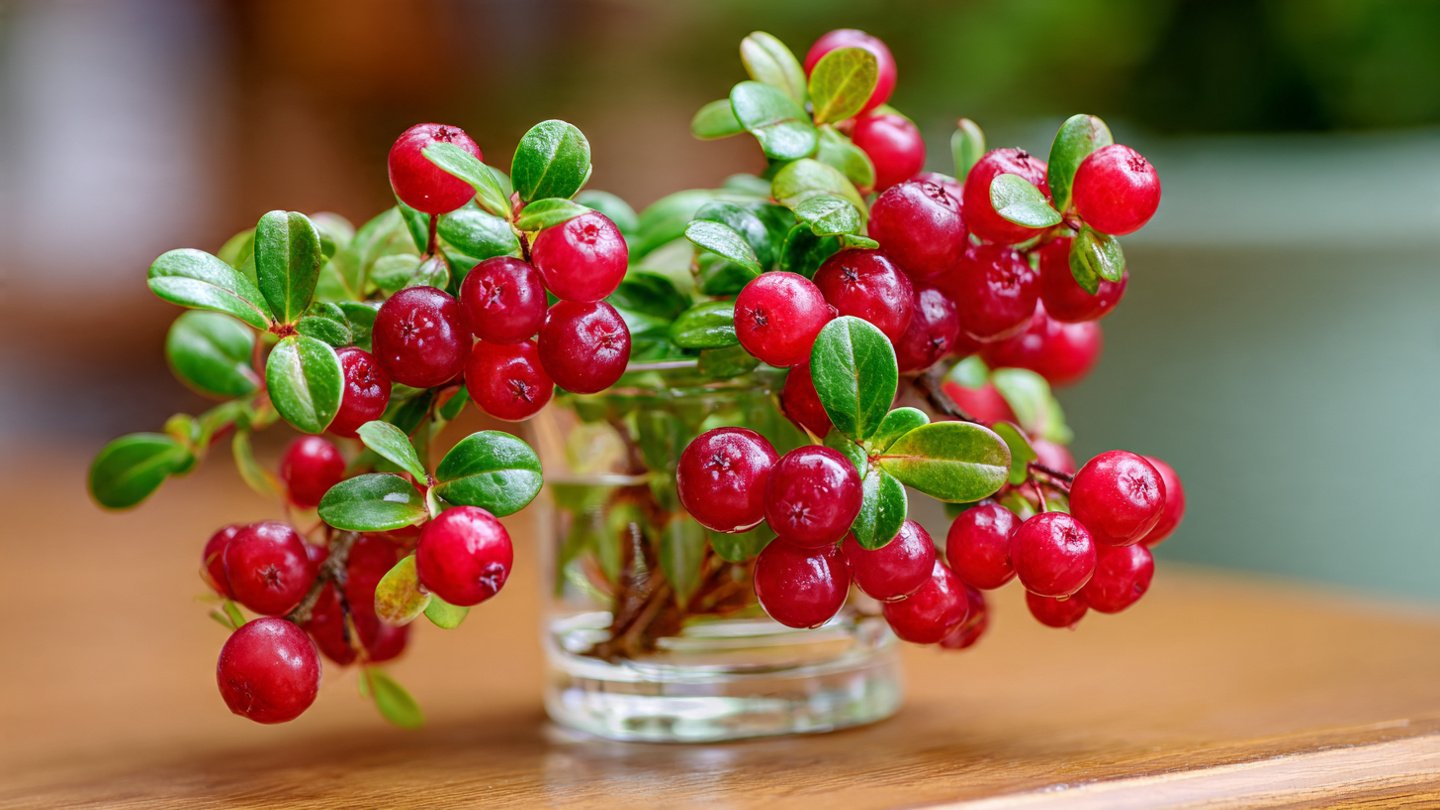
Cranberries (Vaccinium macrocarpon) are not only a tasty addition to your holiday meals but also a rewarding plant to cultivate in your home garden. While many people may not consider growing cranberries because of their unique requirements, it’s entirely feasible to do so at home — especially when propagating them from cuttings. This comprehensive guide outlines everything you need to know about growing cranberries successfully, including optimal conditions, care tips, and a handy FAQ section.
Understanding Cranberry Plant Basics
Before diving into the propagation process, it’s crucial to understand what cranberries are and their growing needs. Native to North America, cranberries thrive in acidic, sandy or peaty soils with a pH of 4.5 to 5.5. These evergreen perennials are typically found in wetlands and bogs, making them well-suited to specific climates and environments.
Growing Requirements
-
Soil: Well-drained, acidic soil is essential for cranberry plants. Sandy or peat-based mixtures work best. Avoid heavy clay soils, which retain too much moisture and can drown the plant.
-
Sunlight: Cranberries prefer full sun to partial shade. A location that receives at least 6 hours of sunlight daily is ideal.
-
Water: Consistently moist soil is crucial for cranberries. They thrive in areas with high water availability, mimicking their natural bog environment.
-
Climate: Cranberries grow best in USDA Hardiness zones 3 to 7. They require cold winters for dormancy and a good amount of rainfall or irrigation.
Propagating Cranberries from Cuttings
Propagation from cuttings is an effective method to grow your cranberry plants. Here’s a detailed step-by-step guide:
Step 1: Selecting the Right Cuttings
- Timing: The best time to take cuttings is in late spring or early summer when the new growth is one to two years old.
- Choosing Cuttings: Select healthy stems that are green and firm, approximately 4 to 6 inches long. Each cutting should have at least one or two leaf nodes.
Step 2: Preparing the Cuttings
- Trimming: Remove leaves from the bottom third of the cutting, leaving a few leaves at the top. This minimizes moisture loss and reduces the energy needed for the cutting to grow roots.
- Hormone Treatment: Although optional, dipping the cut end of the cutting in rooting hormone can increase the chances of successful rooting.
Step 3: Planting the Cuttings
- Container Preparation: Use pots or seed trays filled with a moist, acidic potting mix. A mix of peat moss and perlite works well.
- Planting: Plant the cuttings about 1 inch deep, making sure the leaf nodes are below the soil surface. Water gently to moisten the soil without disturbing the cuttings.
- Covering: Optionally, cover the pot with a plastic bag or a humidity dome to maintain moisture levels.
Step 4: Caring for Your Cuttings
- Location: Place the cuttings in a warm, bright location. Indirect light is preferable, as direct sunlight can scorch the cuttings.
- Humidity and Watering: Keep the soil consistently moist but not waterlogged. Mist the cuttings regularly to maintain a high humidity level.
- Timing for Roots: Roots typically develop within 4 to 8 weeks. Gently tug the cuttings; resistance indicates root development.
Step 5: Transplanting the Seedlings
Once the cuttings have established roots, they can be transplanted into larger pots or directly into the garden.
- Timing: Transplant in late spring after the last frost date in your area.
- Soil Prep: Ensure the garden bed is prepared with acidic soil and is well-drained.
- Spacing: Plant the seedlings about 2-3 feet apart to allow room for growth and to mimic their natural sprawling nature.
Caring for Your Cranberry Plants
Once your cranberries are established, ongoing care is essential for a healthy crop.
Watering
Cranberries thrive in consistently moist soil. During dry spells, give them supplemental irrigation, ensuring they don’t dry out.
Fertilizing
Provide a balanced fertilizer high in nitrogen during the growing season. Avoid over-fertilizing, which can harm the plants.
Pruning
Prune during the late winter or early spring to remove dead or weak stems. This encourages growth and better air circulation.
Pest and Disease Management
Stay vigilant for common pests like aphids or spider mites and use organic pest control methods as necessary. Fungal diseases can be managed through good air circulation and proper watering techniques.
Harvesting Your Cranberries
After about 2 to 3 years, your cranberry plants will begin to bear fruit. Harvesting typically occurs in late fall when the berries turn deep red.
- Wet Harvesting: This method involves flooding the cranberry beds and using a specialized harvester to collect floating berries.
- Dry Harvesting: Hand-picking the berries is also an option for smaller gardens, where individual berries are removed from the vines.
FAQ Section
1. Can cranberries be grown in pots?
Yes, cranberries can be grown in pots as long as the pot is large enough and contains the right acidic soil mix. Ensure proper drainage and monitor water levels closely.
2. How long does it take for cranberry cuttings to grow roots?
Cranberry cuttings typically take 4 to 8 weeks to develop roots under optimal conditions.
3. Do cranberry plants need a pollinator?
Cranberry plants are generally self-pollinating. However, having nearby pollinators like bees can improve the yield of your crop.
4. What pests commonly affect cranberry plants?
Common pests include aphids, spider mites, and cranberry weevils. Regular monitoring and organic treatments can help manage these pests effectively.
5. How can I tell when my cranberries are ripe for harvest?
Cranberries are ready to harvest when they turn a deep red color and are firm to the touch. The harvesting window is usually from late September to early November, depending on your local climate.
6. Can I grow cranberries in a low-maintenance garden?
While cranberries can be more demanding than some other plants, they can adapt to a low-maintenance garden if regularly monitored for moisture and occasional pruning.
7. What is the best way to store cranberries after harvest?
Fresh cranberries can be refrigerated for several weeks or frozen for longer storage. Make sure they are clean and dry before freezing.
Conclusion
Growing cranberries from cuttings at home is a rewarding endeavor, yielding delicious, fresh fruit for your family and friends. With the right conditions and care, you can successfully cultivate these beautiful plants in your garden. This ultimate guide has laid out the essential steps to ensure your gardening adventure is both fruitful and fulfilling. Happy gardening!