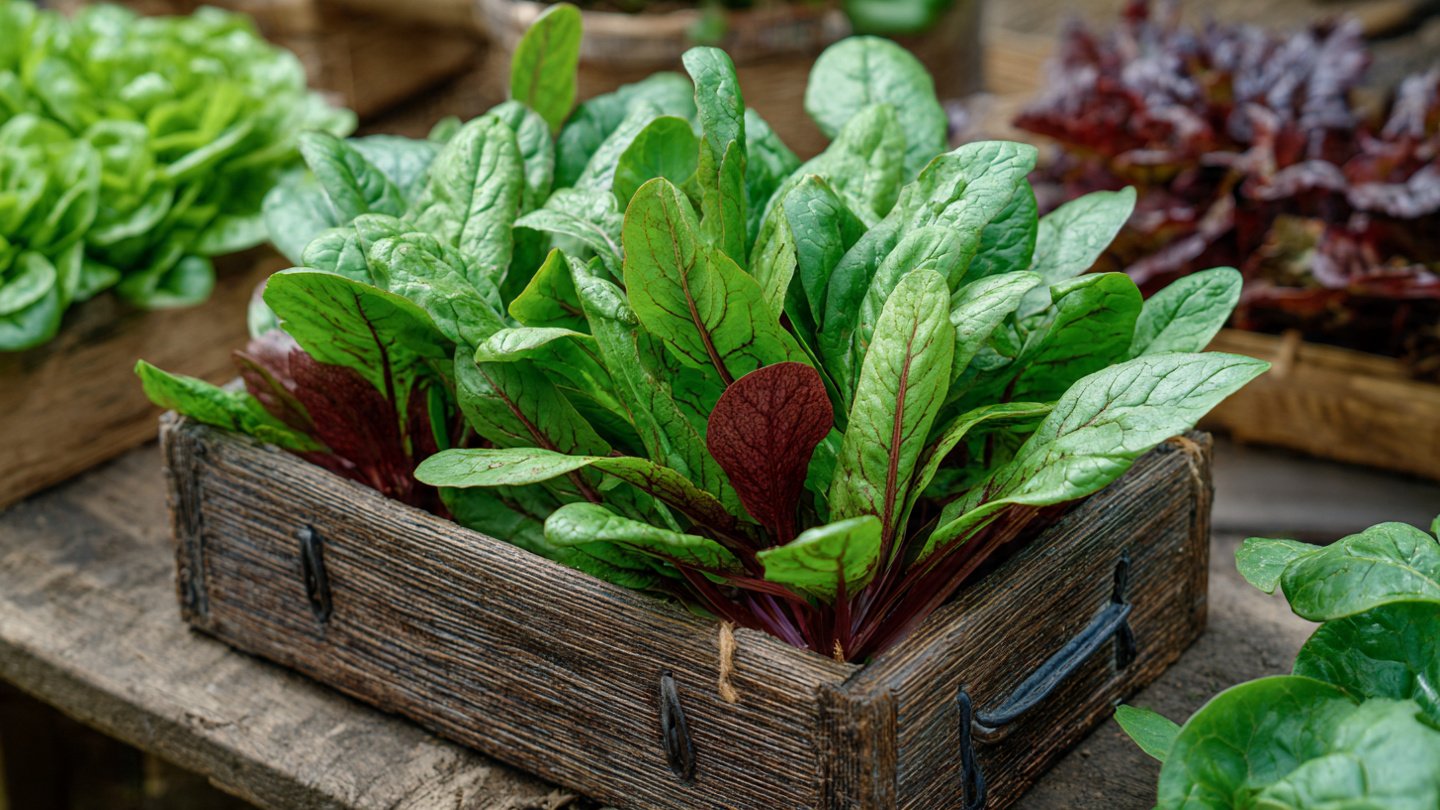
French sorrel (Rumex scutatus) is a perennial herb that can transform your culinary creations with its vibrant, tangy flavor. Often used in salads, soups, and sauces, this leafy green is not only delicious but also easy to grow. Whether you’re a seasoned gardener or a culinary novice, this guide will walk you through everything you need to know about cultivating French sorrel, from planting to care and harvesting.
What is French Sorrel?
French sorrel is a leafy green vegetable with arrow-shaped leaves that possess a distinct sour taste, primarily due to the high oxalic acid content. This unique flavor makes it a popular addition to various dishes, especially those that benefit from a zesty touch. The plant thrives in temperate climates and can grow well in a variety of soil types, making it a versatile option for home gardeners.
Benefits of Growing French Sorrel
- Culinary Versatility: Sorrel can be used in salads, soups, stews, and as a garnish, lending a bright, acidic note to dishes.
- Health Benefits: Rich in vitamins A and C, calcium, and iron, sorrel offers numerous nutritional benefits.
- Easy to Grow: French sorrel requires minimal maintenance, making it ideal for beginners.
- Perennial Nature: Once established, sorrel can continue to produce for several years.
Getting Started: Choosing the Right Location
Light Requirements
French sorrel flourishes in full sun or partial shade. Ideally, it should receive at least 6 hours of sunlight daily. If you live in a hotter climate, a little afternoon shade can help mitigate heat stress.
Soil Preparation
French sorrel prefers well-drained, fertile soil with a pH level ranging from 6.0 to 7.0. Here are some steps to prepare the soil:
-
Testing pH: Use a soil testing kit to determine the pH of your soil. If necessary, amend the soil with lime to raise pH or sulfur to lower it.
-
Adding Organic Matter: Incorporate well-rotted compost or aged manure into the soil to enhance fertility and drainage.
-
Tilling: Turn the soil to a depth of at least 12 inches to encourage aeration.
Planting French Sorrel
Seeds or Transplants?
You can choose to grow French sorrel from seeds or transplants. Here’s how:
-
Seeds: Start seeds indoors about 6–8 weeks before the last frost date. Once the seedlings have two true leaves and the weather is warm, transplant them outdoors. Alternatively, sow seeds directly into the garden in early spring or early fall.
-
Transplants: If you prefer to buy plants, select healthy transplants from a reputable nursery and plant them directly into prepared soil.
Planting Process
-
Spacing: Space plants about 12–18 inches apart to allow for adequate growth.
-
Sowing Depth: Plant seeds about ¼ inch deep in the soil.
-
Watering: After planting, water the area gently to minimize soil disturbance while ensuring proper moisture.
Caring for Your French Sorrel
Watering
Consistent moisture is key to growing healthy sorrel. Water regularly, especially during dry spells. Aim for about 1 inch of water per week, adjusting based on rainfall and temperature conditions.
Fertilization
Incorporate a balanced, all-purpose fertilizer at planting. Following that, you can apply a liquid organic fertilizer every 4–6 weeks during the growing season.
Weed Control
Prevent weeds from competing with your sorrel by regularly mulching around the plants. Use organic mulch like straw or wood chips, which also helps retain soil moisture.
Pest and Disease Management
French sorrel is relatively pest-free, but it can be susceptible to a few common garden pests:
-
Aphids: If you notice aphids, wash them off with a strong water stream or use insecticidal soap.
-
Leaf Spot: Practice good sanitation by removing any diseased leaves and avoiding overhead watering to reduce humidity that encourages disease.
Harvesting French Sorrel
When to Harvest
You can begin harvesting French sorrel leaves about 4–6 weeks after planting, once they reach a length of at least 4 inches. It’s best to harvest in the morning when the leaves are crisp and full of moisture.
How to Harvest
-
Method: Use clean scissors or garden shears to snip leaves at the base of the stem. Avoid tearing leaves, as this can damage the plant.
-
Frequency: Regular harvesting stimulates new growth. Aim to harvest a few outer leaves, leaving the inner leaves to grow and mature.
Culinary Uses of French Sorrel
Raw Applications
- Salads: Combine fresh sorrel leaves with other greens for a vibrant salad.
- Pesto: Blend sorrel with nuts, garlic, and olive oil for a tangy twist on traditional pesto.
Cooked Dishes
- Soups: Sorrel can be added to creamy soups, like potato or leek soup, to enhance flavor.
- Sauces: Use chopped sorrel in sauces for fish or chicken to add a zesty note.
Preserving French Sorrel
If you’ve harvested more sorrel than you can use, consider preserving it:
- Freezing: Blanch leaves in boiling water for about 2 minutes, then immediately plunge them into ice water. After cooling, drain and freeze in airtight bags.
- Drying: Air-dry sorrel or use a dehydrator, though this may reduce some of the flavor. Store in an airtight container.
Troubleshooting Common Issues
Yellowing Leaves
This may indicate nitrogen deficiency. Consider applying a balanced fertilizer.
Stunted Growth
The plant may be struggling with poor soil drainage or insufficient sunlight. Check the soil conditions and adjust as necessary.
Flowering
If your sorrel begins to flower, it may indicate stress or that the plant is maturing. Harvest leaves more regularly to encourage continued growth.
FAQs About Growing French Sorrel
1. Is French sorrel easy to grow?
Yes, French sorrel is relatively low-maintenance and can thrive in diverse soil conditions.
2. Can I grow French sorrel in containers?
Absolutely! Just ensure the containers have good drainage and are at least 12 inches deep.
3. What is the ideal temperature for growing French sorrel?
Sorrel thrives in cooler temperatures, around 55°F to 70°F (13°C to 21°C). It may bolt in extremely hot weather.
4. How long does French sorrel live?
As a perennial, French sorrel can continue producing leaves for several years if properly cared for.
5. Can I eat sorrel leaves raw?
Yes, sorrel leaves can be eaten raw and are often used in salads for their tangy flavor.
6. Is there a difference between French sorrel and garden sorrel?
Yes, French sorrel is milder and less bitter than common garden sorrel, making it preferable for culinary uses.
7. How often should I water French sorrel?
Water French sorrel regularly, especially during dry spells, aiming for about 1 inch of water per week.
8. Can I grow French sorrel from seeds?
Yes, French sorrel can be easily grown from seeds or transplants.
Conclusion
Growing French sorrel is a rewarding experience that not only enhances your garden but also brings flavorful and nutritious greens to your table. With minimal maintenance and the right conditions, you can enjoy fresh sorrel leaves throughout the growing season. Whether you’re crafting a gourmet dish or simply adding zest to a salad, French sorrel is a wonderful addition to any culinary repertoire. Happy gardening!