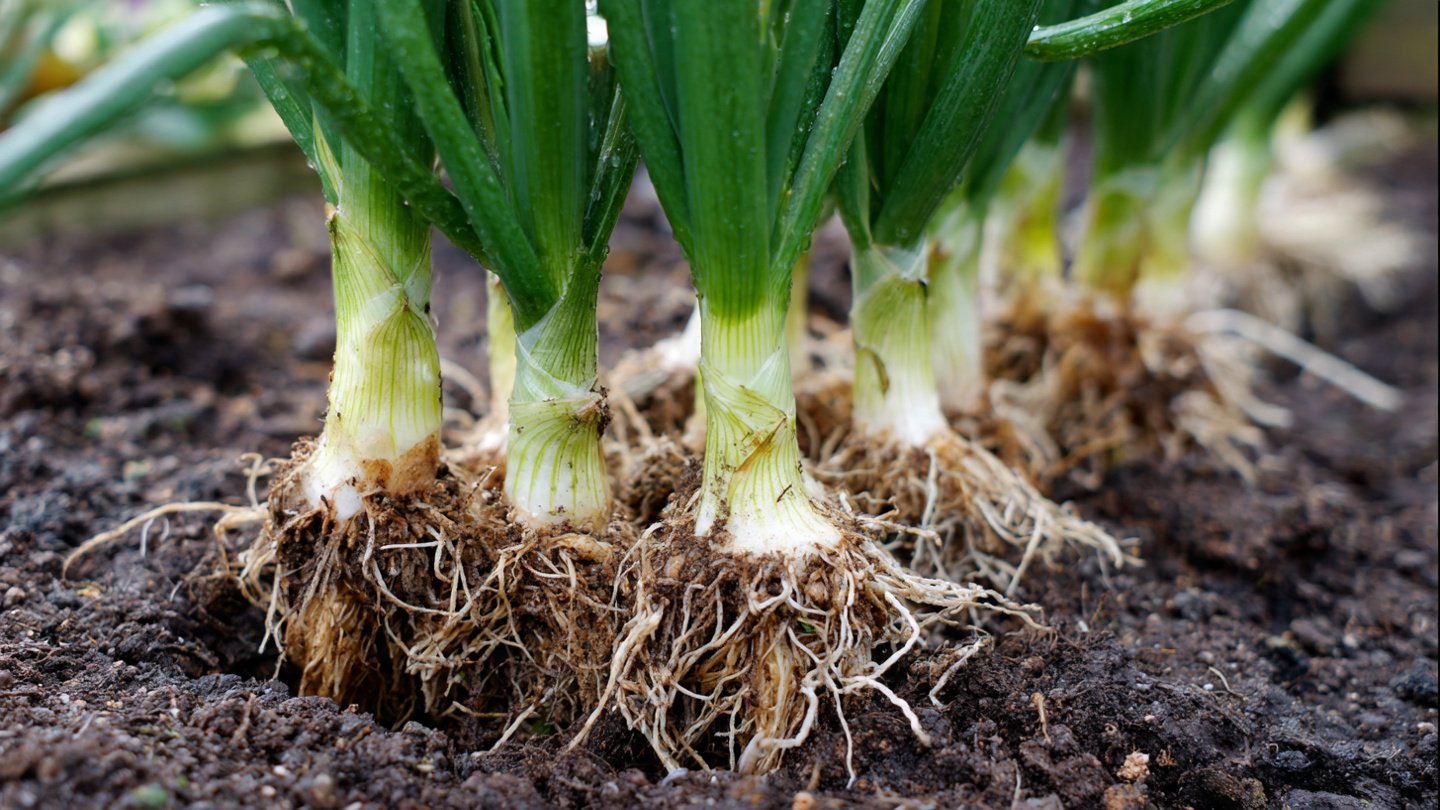
Growing spring onions from roots is an easy, rewarding endeavor that many home gardeners enjoy. Not only do they require minimal care, but they also provide a bountiful harvest that can enhance countless dishes. This guide will take you through the process of growing spring onions from roots, covering everything from preparation and planting to care and harvesting.
Understanding Spring Onions
Spring onions, also known as scallions or green onions, are a type of young onion harvested before the bulb fully matures. They have a milder flavor compared to mature onions and can be used in various forms, including raw in salads, cooked in stir-fries, or as a garnish. Their tender green tops and crispy white bottoms make them prized in many international cuisines.
Benefits of Growing Spring Onions
- Quick Growth: Spring onions grow rapidly, often ready for harvest within just a few weeks.
- Minimal Space Requirement: They can be grown in small pots or garden beds, making them perfect for urban gardening.
- Multiple Harvests: Once you harvest the green tops, they often grow back, allowing for multiple cuttings from the same root.
- Nutritional Value: Spring onions are rich in vitamins A and C, as well as antioxidants.
Step-by-Step Guide to Growing Spring Onions from Roots
1. Preparing the Roots
To begin your journey, you need to obtain spring onion roots. You can either buy a bunch from the supermarket or use the roots of spring onions that you already have at home:
-
Choose Fresh Onions: Select fresh spring onions with firm roots. Avoid any that are soft or show signs of decay.
-
Cut the Roots: If you’re using store-bought spring onions, cut the green tops off, leaving about 2 inches of the white part. This is where the roots will regrow.
2. Choosing the Right Growing Method
There are two primary methods for growing spring onions from roots: in soil and in water. Each method has its advantages, and your choice may depend on available space and growing conditions.
Growing in Soil
Requirements:
- Seed-starting soil or potting mix
- Containers (pots or seed trays)
- Water
Steps:
- Fill Your Container: Add your chosen soil to a container, ensuring it has drainage holes at the bottom.
- Plant the Roots: Place the cut spring onion roots into the soil, ensuring the white part is just below the soil surface while the green tops are sticking out.
- Water Gently: Lightly water the soil until it is moist but not waterlogged.
Growing in Water
Requirements:
- A shallow container (like a glass or jar)
- Water
Steps:
- Prepare the Container: Fill your container with enough water to cover the roots but leaving the green tops exposed.
- Place the Roots: Submerge the roots in water, ensuring they do not touch the bottom of the container.
- Change the Water: Refresh the water every few days to prevent stagnation and algae growth.
3. Finding the Right Environment
Whichever method you choose, providing the right environment is crucial for healthy growth.
- Light: Spring onions need plenty of light to grow, ideally 6-8 hours of sunlight per day. A sunny windowsill or a spot with indirect light is ideal.
- Temperature: They grow best at temperatures between 60°F and 75°F (15°C to 24°C).
- Humidity: If the air is too dry, consider misting the plants occasionally.
4. Ongoing Care
To ensure your spring onions thrive, you’ll need to care for them appropriately.
Watering
- Soil Method: Water the soil when the top inch feels dry. Be sure not to overwater, which can cause root rot.
- Water Method: Always make sure the roots are submerged in water. Change the water regularly to keep it fresh.
Fertilizing
Spring onions don’t require a lot of fertilizer, but you can enhance growth by adding a balanced liquid fertilizer every 4-6 weeks if you’re growing them in soil.
Pest Control
Keep an eye out for pests like aphids or onion flies. If you notice any infestations, you can manage them naturally with insecticidal soap or neem oil.
5. Harvesting Your Spring Onions
Once your spring onions reach a height of about 6-8 inches, they are ready for harvesting. Here’s how to do it:
- Using Scissors: If you want to harvest the green tops, simply cut them off with scissors, leaving the roots in the soil to encourage regrowth.
- Pulling Up the Bulb: If you prefer the whole plant, gently pull the onion from the soil, taking care not to damage the roots.
6. Storing Spring Onions
Fresh spring onions can be stored in the refrigerator for about a week. To store them longer, try misting the roots lightly and placing them upright in a jar with water, covering the tops with a plastic bag.
Troubleshooting Common Issues
Despite their resilience, gardeners may encounter some problems when growing spring onions. Here are a few issues and their solutions:
- Yellowing Leaves: This can be a sign of overwatering or nutrient deficiency. Ensure that the soil drains well and consider fertilizing.
- Slow Growth: Ensure they are getting enough light and warmth. If you’re growing in water, make sure to change it regularly.
- Pests: If you spot any pests, isolate the affected plants and treat them immediately with a pesticide or natural remedy.
FAQs
1. Can I grow spring onions in any season?
Yes, spring onions can be grown year-round, especially if grown indoors where conditions can be controlled.
2. How long does it take for spring onions to grow from roots?
Spring onions typically take about 3-4 weeks to grow from roots to a harvestable size, depending on growing conditions.
3. Can I regrow spring onions multiple times?
Yes! If you cut the green tops, spring onions will often regrow from the remaining roots, allowing for multiple harvests.
4. What’s the best way to ensure a good yield?
Provide plenty of sunlight, keep the soil moist but not waterlogged, and consider using organic fertilizers to boost growth.
5. How do I know when to harvest my spring onions?
They are ready to be harvested when they reach about 6-8 inches in height. Look for healthy, green tops and a firm white base.
6. Can I grow spring onions in a small space?
Absolutely! They can be grown in pots, small garden beds, or even in recycled containers on a windowsill.
7. Are spring onions the same as green onions?
Yes, spring onions and green onions refer to the same type of onion; however, “green onions” can sometimes refer to younger onions in general, while “spring onion” often denotes a specific type that has not yet developed a bulb.
Conclusion
Growing spring onions from roots is an enjoyable and practical way to enhance your kitchen. With just a little care and attention, you can enjoy fresh spring onions right from your home, adding flavor and nutrition to your meals while experiencing the joy of gardening. Happy growing!